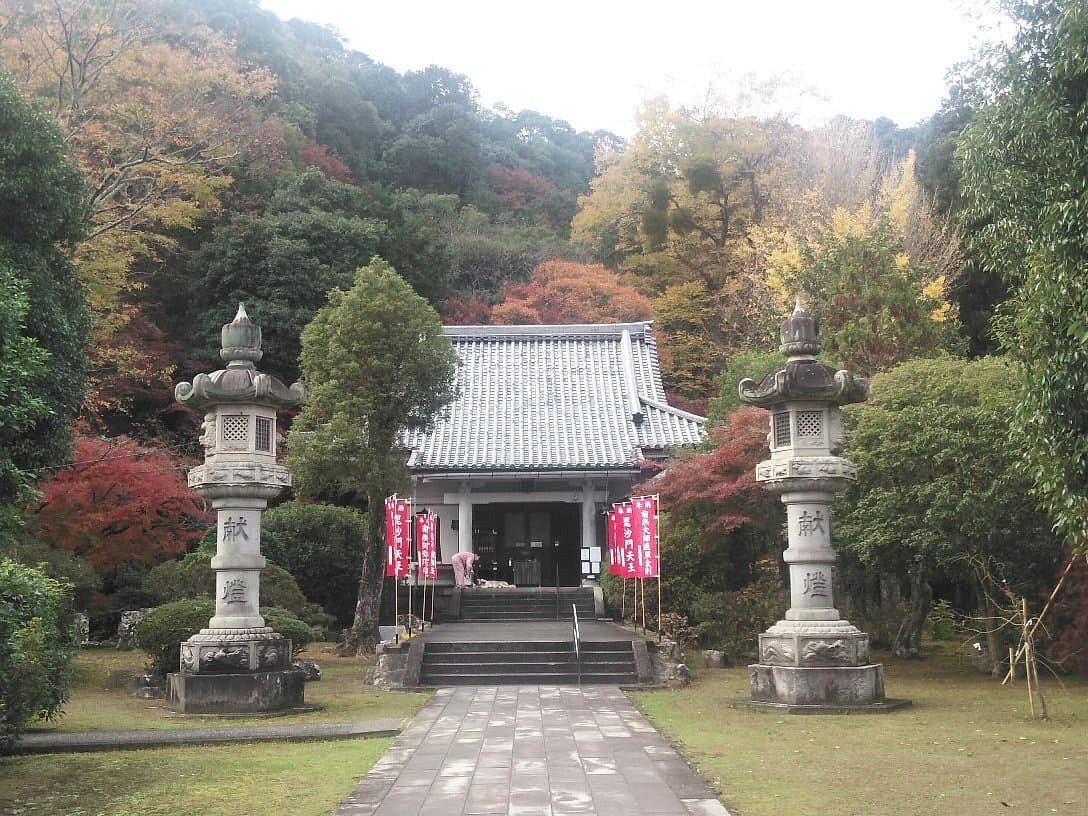
Ganjojuin Temple is a significant historical and cultural site, primarily known for housing several important Buddhist sculptures attributed to the renowned artist Unkei. Founded by Hojo Tokimasa, a key figure in the establishment of the Kamakura Shogunate, the temple offers a tangible connection to a pivotal period in Japanese history and art.
Visitors consistently praise the quality and historical significance of the sculptures, particularly those by Unkei. The intricate details and the stories behind these artifacts, including the use of X-ray analysis to reveal hidden details like donor plates, are frequently highlighted as fascinating aspects of the visit. While the admission fee is sometimes noted as being slightly high for the size of the temple, the unique opportunity to see such masterpieces is generally considered to justify the cost. The presence of knowledgeable staff, sometimes identified as monks, who can provide explanations and context, significantly enhances the visitor experience.
To make the most of your visit, allocate approximately 1 to 2 hours. This allows ample time to appreciate the sculptures and read any available information. Bringing a camera is generally permitted for non-flash photography, but it's always wise to confirm on arrival. There are no specific warnings about what to skip, as the main draw is the collection itself. Visiting during off-peak hours might offer a more serene experience, though the temple is generally not overcrowded.
Ganjojuin Temple is located at 83-1, Jike, Izunokuni, Shizuoka Prefecture. While specific public transport details are not extensively mentioned in reviews, visitors typically reach Izunokuni via train. From the nearest train station, it may require a local bus or taxi, or a pleasant walk depending on the distance. Driving is also an option, and parking availability should be checked locally.
A common minor complaint is the admission fee, which some visitors feel is a bit steep. However, this can be mitigated by focusing on the exceptional quality and historical value of the artifacts, understanding that such cultural preservation often requires funding. There are no significant complaints regarding crowds or accessibility.