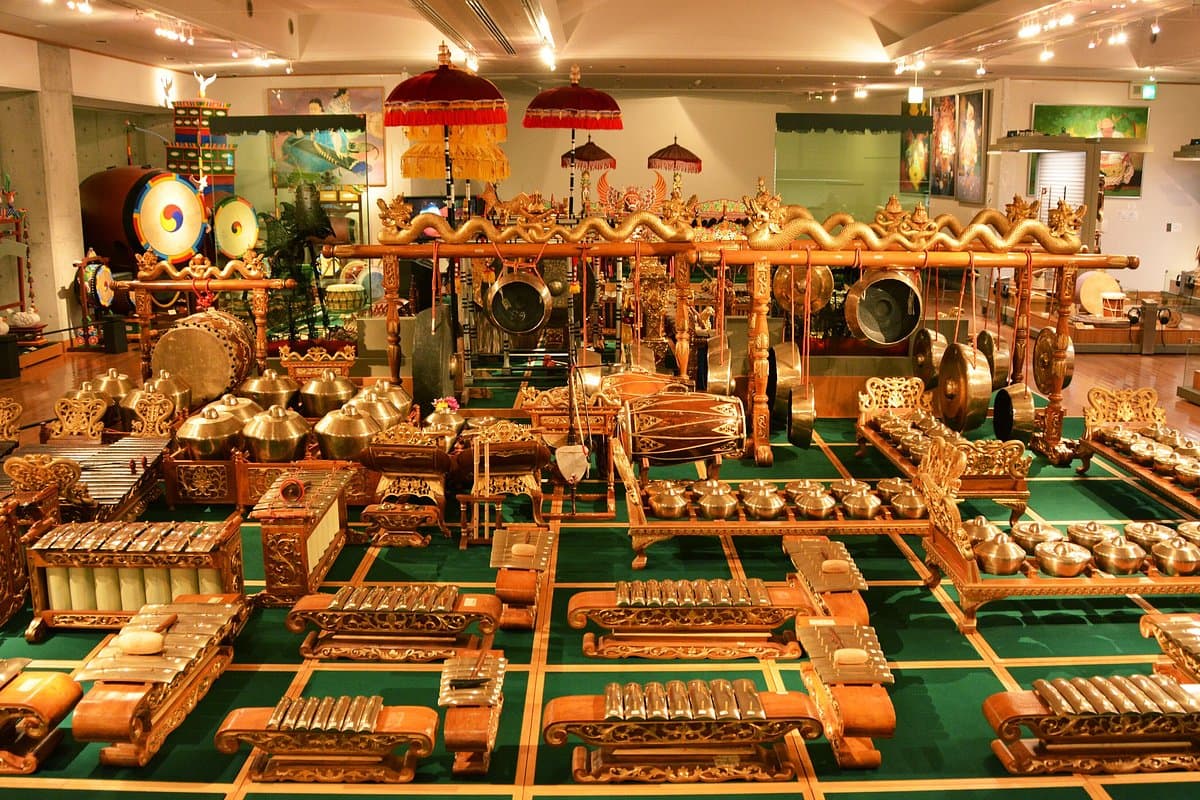
The Hamamatsu Museum of Musical Instruments is Japan's only public museum dedicated to musical instruments, housing an extensive collection of over 1,300 instruments from around the world. Located in Hamamatsu, known as the 'City of Music' due to its association with major instrument manufacturers like Yamaha and Kawai, the museum provides a comprehensive overview of musical history and cultural diversity through its exhibits.
Visitors consistently praise the museum's diverse collection, which spans instruments from Asia, Europe, Africa, and the Americas, including a significant display on the evolution of the piano. A highlight for many is the ability to listen to the sounds of various instruments through provided headphones, enhancing the immersive experience. The museum also features an interactive 'Hands-on' room where guests, including children, can try playing some instruments. Reviewers frequently mention the friendly and polite staff, as well as the availability of English leaflets and audio guides, which are helpful given that some signage is primarily in Japanese.
To make the most of your visit, plan for about 1.5 to 2 hours, though dedicated music enthusiasts might spend longer. Many suggest visiting on a rainy day as it's an excellent indoor activity. Consider obtaining a discount ticket from local hotels, as some reviewers mention this can reduce the 800 yen entry fee. While photography is generally permitted, flash, selfie sticks, monopods, and tripods are prohibited. The museum also has a gift shop and a small cafe.
The museum is conveniently located less than a 10-minute walk from Hamamatsu JR Station, making it easily accessible by public transport. It is part of the ActoCity complex. For those driving, parking is available in the basement of the building across the street. Clear signage from the station helps guide visitors to the museum.
A common complaint among some visitors is the presence of replicas among the traditional instruments, which can be disappointing for those expecting only original artifacts. Additionally, while English materials are available, some film explanations are only in Japanese. To mitigate this, utilize the English audio guide and pamphlets thoroughly, and focus on the vast collection of genuine instruments and the interactive listening stations.