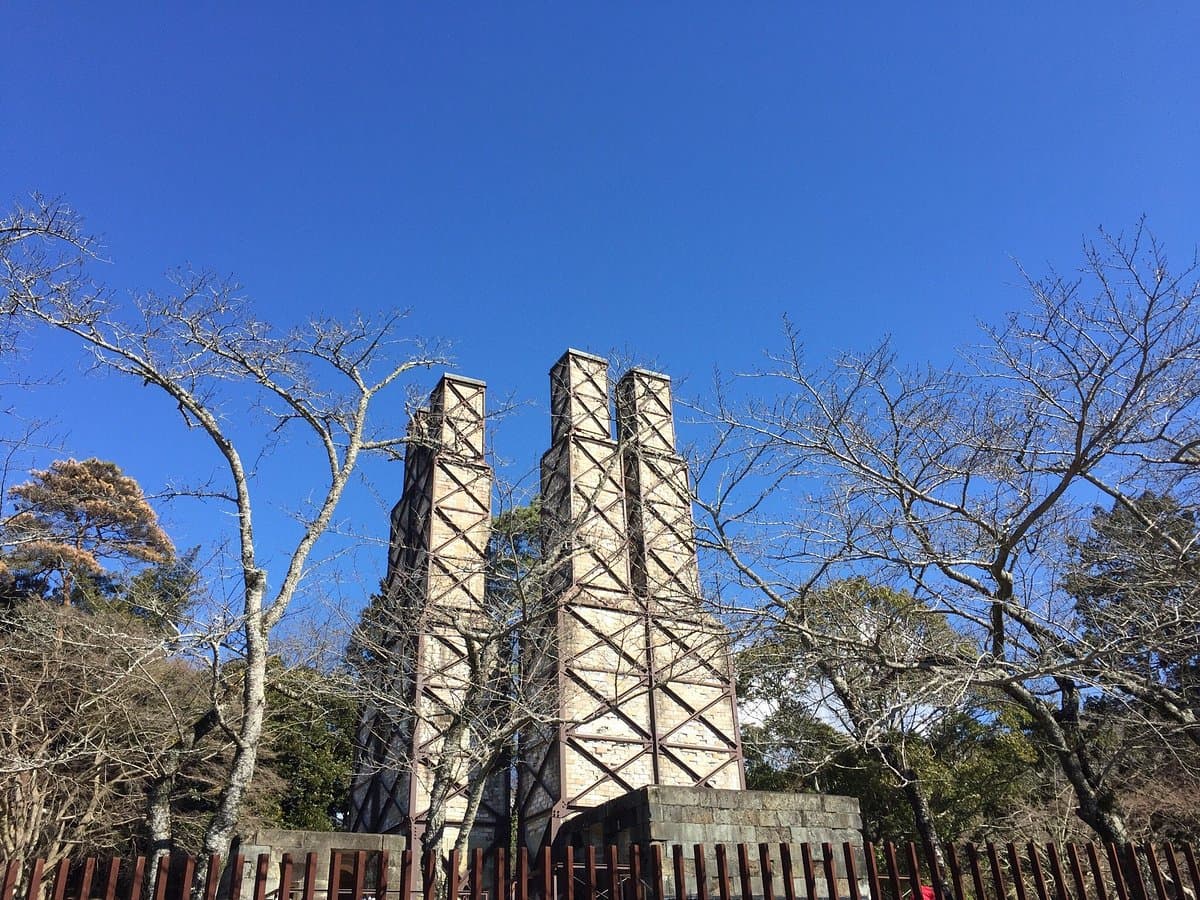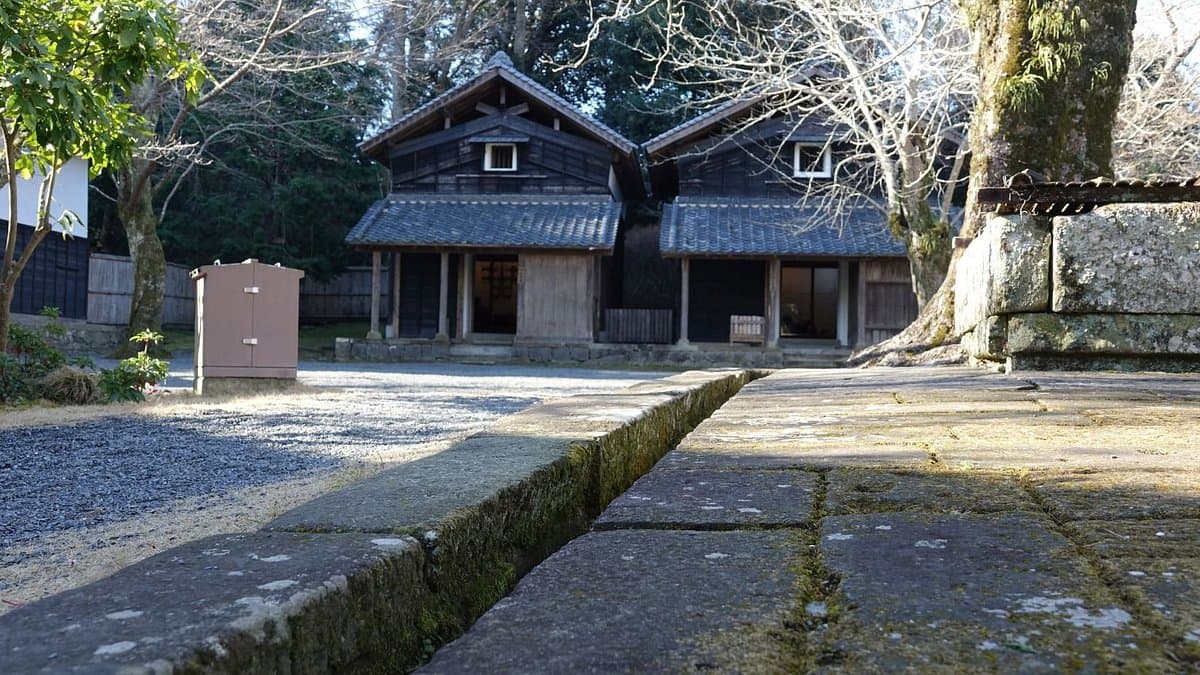
Juyobunkazai Ekawatei is the historical residence of Tarozaemon Egawa, a prominent figure known for his contributions to iron production, particularly in relation to the Nirayama Reverberatory Furnace. This site offers a direct connection to the local history of Izunokuni and provides insight into the life and work of an individual who played a crucial role in the region's industrial development.
Visitors consistently praise the educational value of the residence, noting that it offers a good complement to a visit to the Nirayama Reverberatory Furnace. Several reviewers mention that a tourist guide is often available to provide explanations, enhancing the understanding of the exhibits. The modest size of the building is frequently highlighted, with visitors suggesting that about 30 minutes is sufficient to explore the residence thoroughly. The historical context, especially Egawa's dedication to iron production, resonates well with those interested in the area's industrial heritage.
For a comprehensive experience, it is highly recommended to purchase a combined ticket that includes both Juyobunkazai Ekawatei and the Nirayama Reverberatory Furnace. This not only offers better value but also provides a more complete narrative of Egawa's work. Visitors suggest allocating approximately 45 minutes for the combined experience, including the walk between the two sites. The best time to visit is during daylight hours, allowing for a pleasant walk and clear views of both attractions.
The residence is located in Nirayama, Izunokuni. Reviewers note that the walk from the Nirayama Reverberatory Furnace to Juyobunkazai Ekawatei is pleasant and easily manageable on foot. While specific public transport lines are not detailed in reviews, the proximity to the Reverberatory Furnace suggests similar access options. Tourists should consider checking local bus routes or train connections to the Nirayama area, then plan for a short walk.
There are no significant complaints mentioned in the reviews, but visitors should manage expectations regarding the size of the residence. It is a modest historical building, not a grand estate, and its appeal lies in its historical significance rather than its scale. Those expecting extensive exhibits might find it brief, but its value is in its direct link to local history.