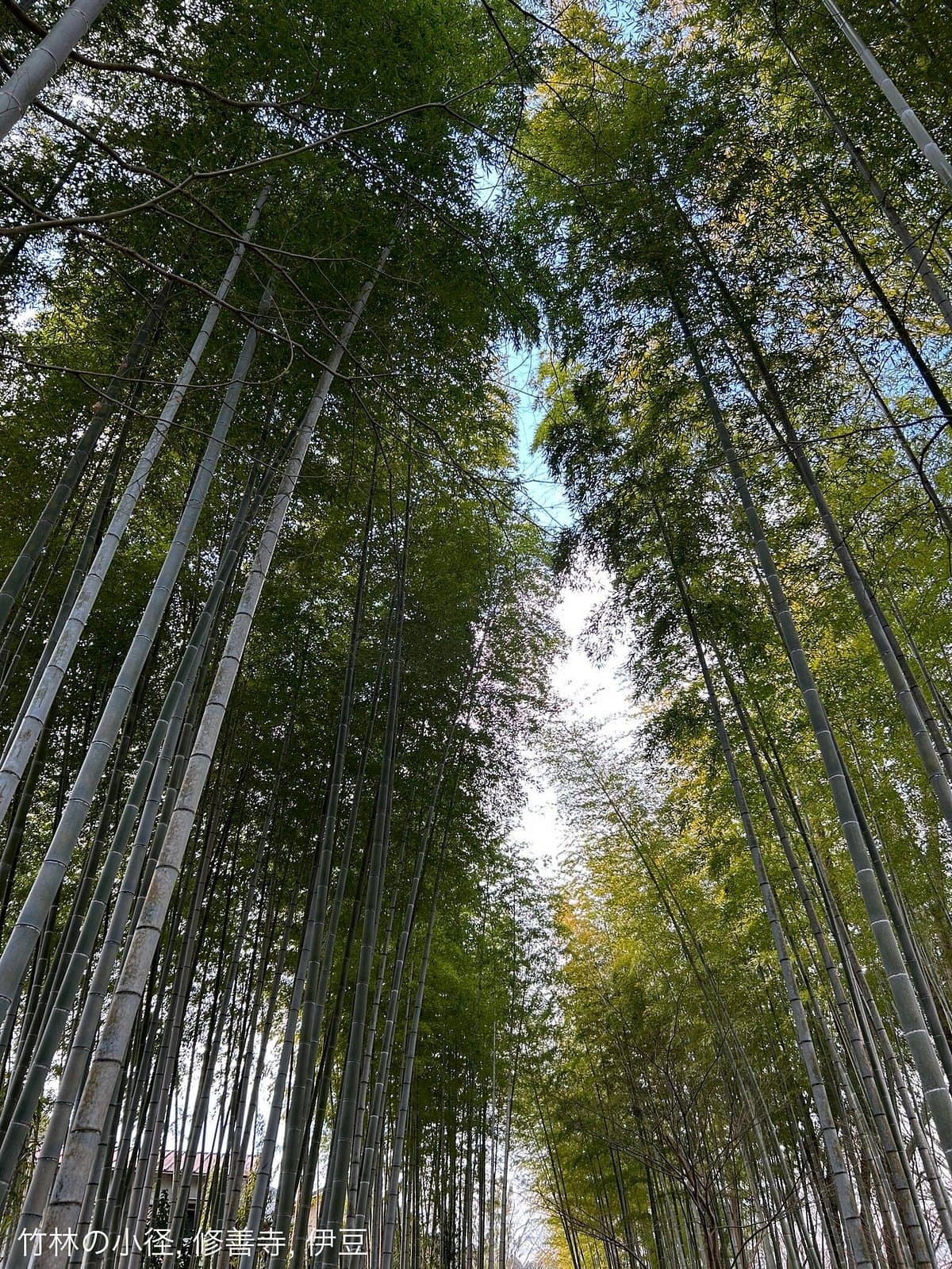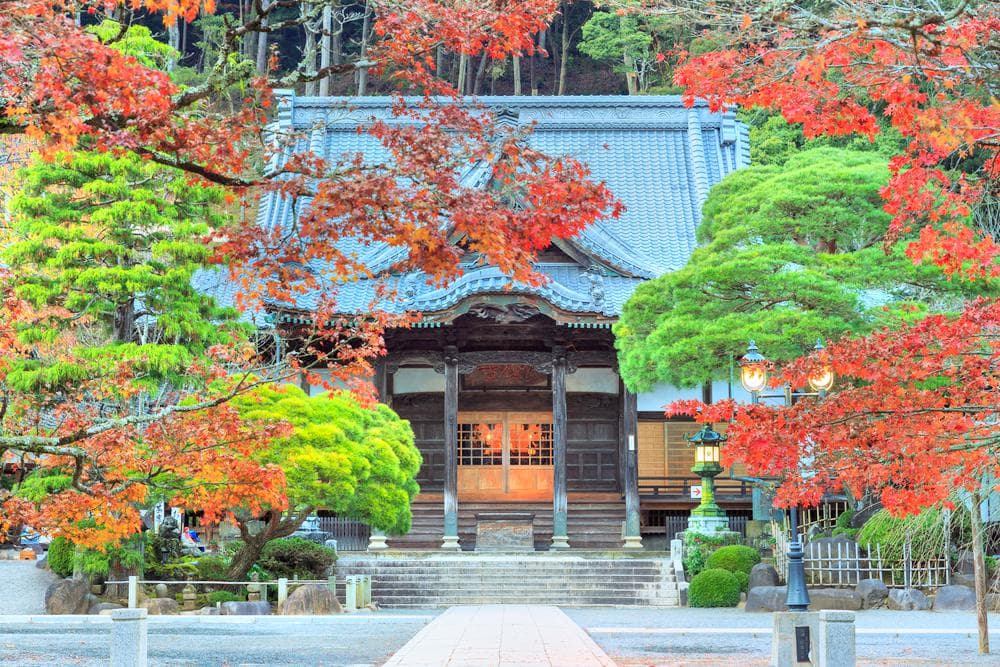
Shuzenji is a historic temple and a renowned hot spring town nestled in the central part of the Izu Peninsula. It is celebrated for its tranquil atmosphere, beautiful natural surroundings, and deep cultural roots, having attracted scholars, artists, and writers for centuries. The area's centerpiece is Shuzenji Temple, founded by Kobo Daishi in the early 9th century, and the legendary Buddha Cone Hot Spring, said to have been created by him.
Visitors consistently praise Shuzenji for its peaceful ambiance and picturesque scenery, especially during autumn when the maple leaves turn vibrant colors, and in spring with the cherry blossoms. Many reviewers highlight the beauty of the bamboo forest path and the overall 'ancient capital' feel of the town. The hot springs are a major draw, with many recommending staying in one of the traditional ryokans, some of which have historical significance and offer private baths. The town's cleanliness and quietness, particularly in the mornings and evenings, are frequently mentioned as positive aspects, making it ideal for a relaxing getaway.
For a fulfilling visit, allocate 1-3 hours to explore the temple grounds, the bamboo forest path, and the surrounding area. Many suggest visiting in spring or autumn for the best natural scenery. While the temple itself is not very large, the charm lies in the entire town's atmosphere. Reviewers note that the area can get quite busy on weekend afternoons, so consider visiting during weekdays or earlier in the day for a more serene experience. Bringing comfortable walking shoes is advisable as much of the exploration is on foot. Some visitors mention the lack of convenience stores, suggesting a more traditional, less commercialized experience.
Shuzenji is accessible by bus or taxi from Shuzenji Station, which is the terminal station of the Izu-Hakone Railway. The journey from the station to the main attractions takes less than 10 minutes. The town's main sights, including the temple, bamboo forest path, and Shigetsuden, are all within comfortable walking distance of each other once you arrive in the hot spring area. For those traveling by train, the Izu-Hakone Railway connects to Mishima Station, which is a Shinkansen stop, making it relatively easy to reach from major cities.
A common complaint among some visitors is the crowd density, especially on peak days or during popular seasons like autumn. To mitigate this, consider visiting during off-peak hours or weekdays. While the temple itself is not expansive, some might find it less grand than other famous temples; however, its charm lies in its integration with the hot spring town and natural landscape rather than its sheer size.