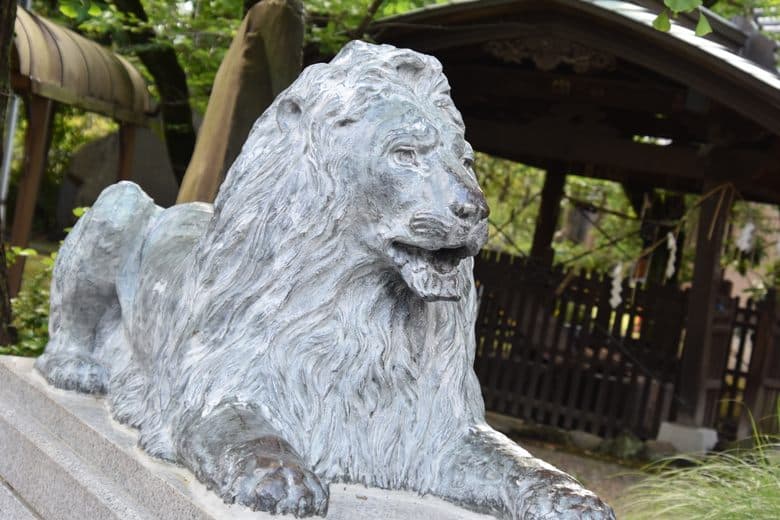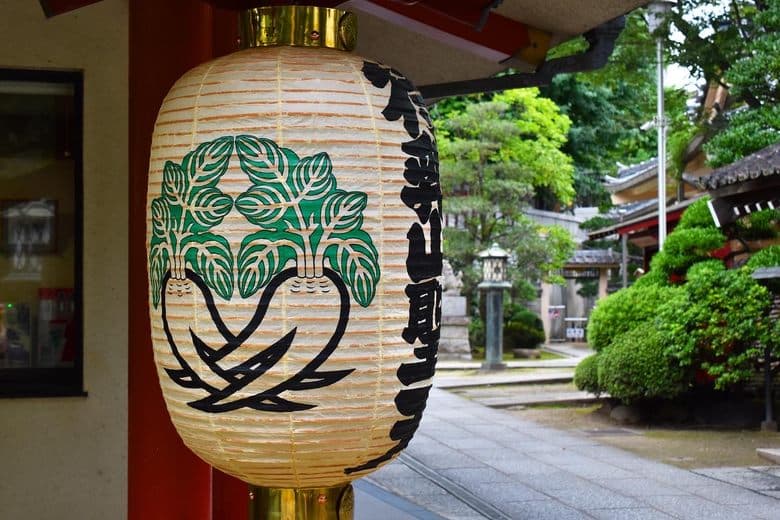
Matsuchiyama Shoden, also known as Honryū-in Temple, is a historic Buddhist temple established in 595, dedicated to Kangiten, a double deity associated with lust, wealth, and success. What makes this temple particularly noteworthy is its unique tradition of offering daikon radishes to the deity, a practice that sets it apart from other temples in Japan. The temple grounds are subtly themed with daikon-shaped ornaments and reliefs, inviting visitors to discover these hidden details.
Visitors consistently praise the temple's peaceful atmosphere and its distinct cultural practices. Many find the concept of offering daikon radishes intriguing and enjoy the quiet charm of the site, especially compared to the bustling nearby Sensō-ji Temple. The 'slope car' monorail, called Sakura Rail, is frequently mentioned as a delightful and convenient feature, particularly for those with mobility challenges or simply seeking a novel experience. Reviewers appreciate the accessibility it provides to the hilltop temple.
To make the most of your visit, plan to spend about 1-2 hours exploring the temple and its grounds. The best time to visit is during the morning or late afternoon to avoid crowds and enjoy the tranquil ambiance. Consider bringing a daikon radish to offer, which can be purchased at the temple itself, to fully engage with the local custom. Photography is strictly forbidden inside the Hondō (Main Hall), so visitors should be mindful of this rule. It's advisable to maintain a respectful demeanor and quiet inside the temple buildings.
The temple is conveniently located about a ten-minute walk from either Asakusa Station or Sensō-ji Temple, making it easily accessible via public transport. If walking along the Sumida River, you will reach the main entrance. For those preferring the monorail, the Sakura Rail entrance is situated at the back of the temple, across a parking lot. This monorail is well-marked on Google Maps as 'Sakura Rail' and provides a comfortable ascent to the main temple area, especially useful for elderly visitors or those with strollers.
A common complaint among some visitors is the lack of extensive English signage, which can make understanding the deeper religious significance challenging without prior research. To mitigate this, it's recommended to read up on Kangiten and the daikon offering tradition before your visit. Additionally, while the temple is generally quiet, it can still attract small tour groups, so arriving early or later in the day can enhance the peaceful experience.