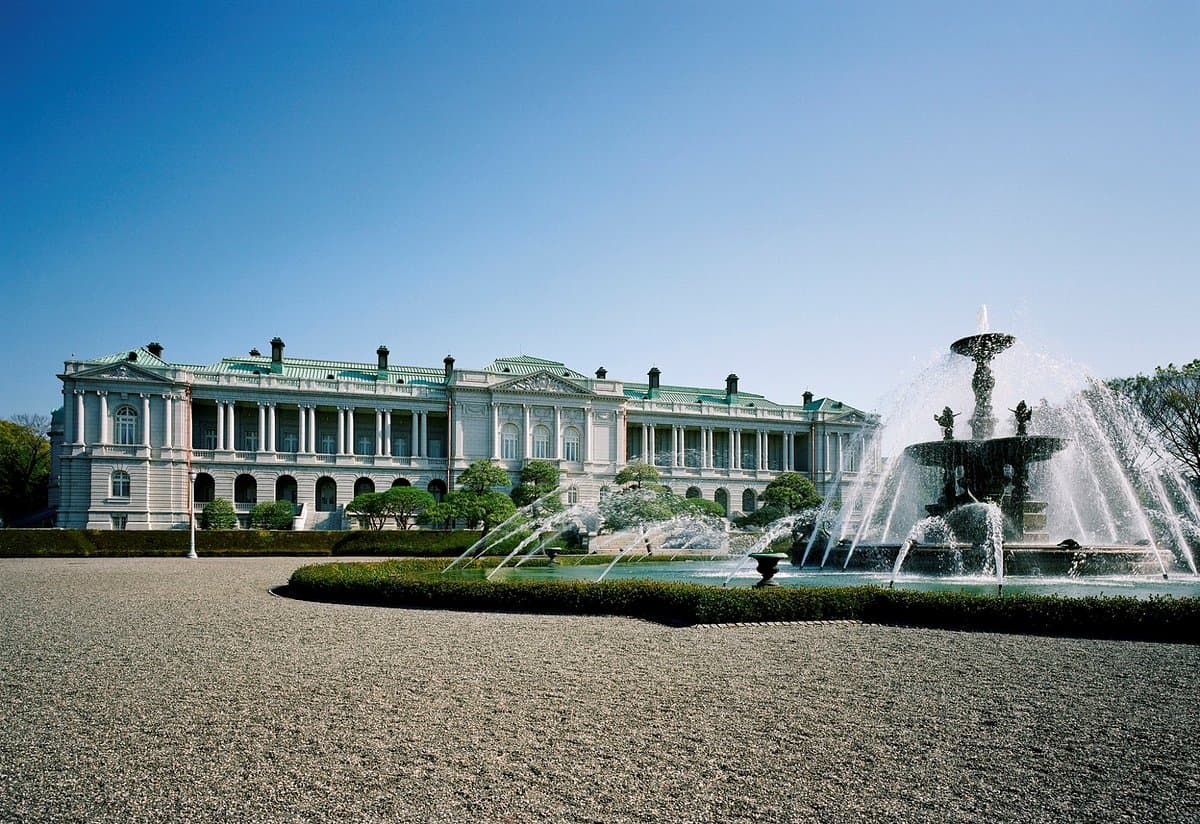
The Akasaka Palace, officially known as the State Guesthouse, is a grand European-style palace located in Tokyo. Completed in 1909 as the residence for the Crown Prince, it stands as a significant example of Western architecture from the Meiji era in Japan. Today, it serves as the official venue for hosting foreign dignitaries and heads of state, making it a place of considerable diplomatic importance and a unique historical landmark that contrasts sharply with traditional Japanese aesthetics.
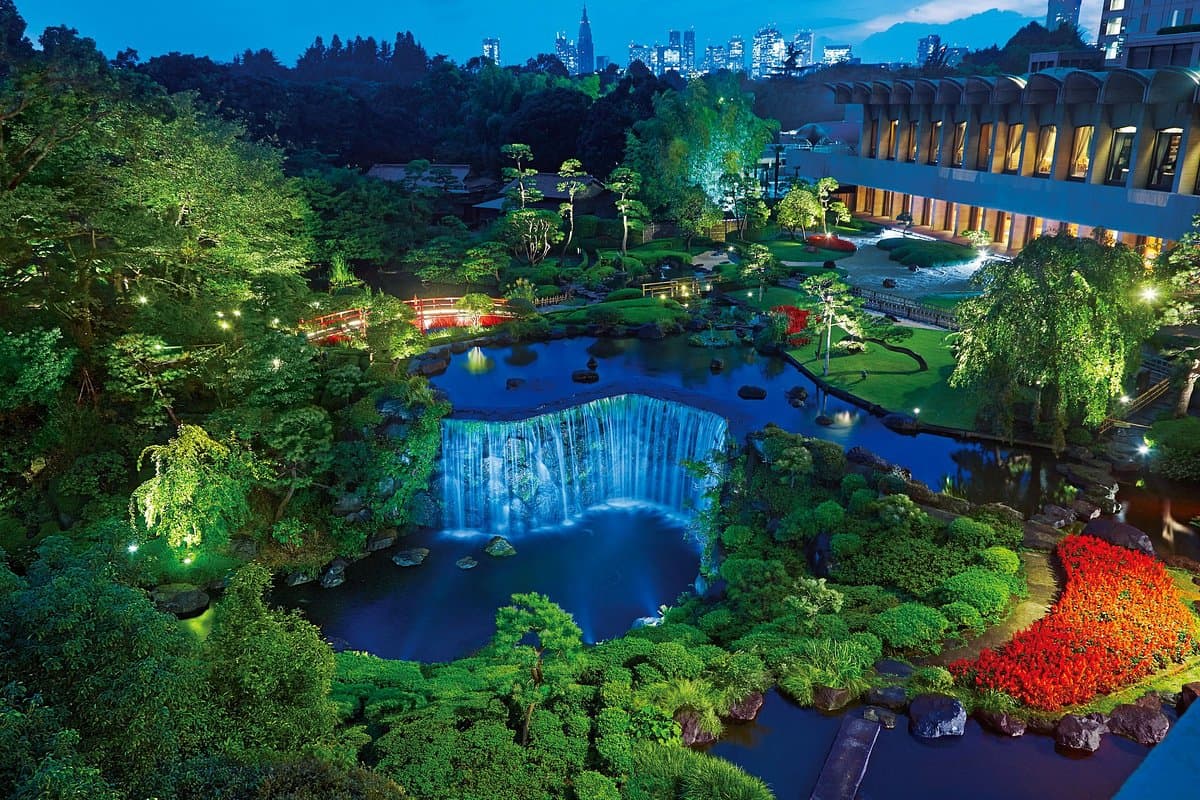
Visitors consistently praise the palace's opulent interiors, which are often compared to European palaces like Versailles or Buckingham Palace, featuring intricate decorations, gold accents, and high ceilings. Many are struck by the meticulous design, often noting Japanese motifs subtly integrated into the Western-style architecture. The well-maintained gardens, including a beautiful fountain and a Japanese-style annex with a carp pond, also receive high marks for their beauty and tranquility. Reviewers frequently highlight the opportunity to see where world leaders are hosted, with photos of past visits displayed in various rooms, adding to the historical context. The volunteer guides inside the palace are often commended for their informative commentary, enhancing the visitor experience.
For a smooth visit, it's advisable to check the official website for opening days and times, as the palace can be closed for official functions. While some parts may require advance online reservations, general admission is often available at the gate. Visitors recommend allocating 2-3 hours to explore the main building, annex, and gardens thoroughly. An audio guide, available for a small additional fee, is highly recommended by many to fully appreciate the historical and architectural details. Photography is generally prohibited inside the main building but allowed in the gardens and sometimes in the annex. Bringing a small bag is advisable due to airport-level security checks, which include metal detectors and baggage screening. There are often coffee vans and seating areas in the garden for a break.
The Akasaka Palace is conveniently located about a 10-minute walk from Yotsuya Station, which is served by the JR Chuo Line, Marunouchi Line, and Namboku Line. The main gate is typically for exit only, so visitors should head to the West Gate (near Gakushuin Primary School) for entry. Public transport is the most recommended way to reach the palace, as parking options are limited. The walk from Yotsuya Station is straightforward and pleasant.
A common complaint among visitors is the strict no-photography policy inside the main palace, which can be disappointing given the stunning interiors. To mitigate this, visitors suggest focusing on the detailed pamphlet provided and enjoying the moment without the distraction of a camera. Some European travelers note that if they have visited many grand palaces in Europe, the Akasaka Palace might feel less unique. However, for those seeking a different architectural experience in Japan, or interested in diplomatic history, it remains a highly recommended destination.