Odaiba is a large artificial island in Tokyo Bay, originally built for defensive purposes during the Edo period and later transformed into a major commercial, residential, and leisure area. It stands out as a modern, futuristic district offering a unique blend of entertainment, shopping, dining, and scenic waterfront views. Its significance lies in its innovative urban planning and its role as a popular escape from the bustling city center, providing a different facet of Tokyo's urban landscape.
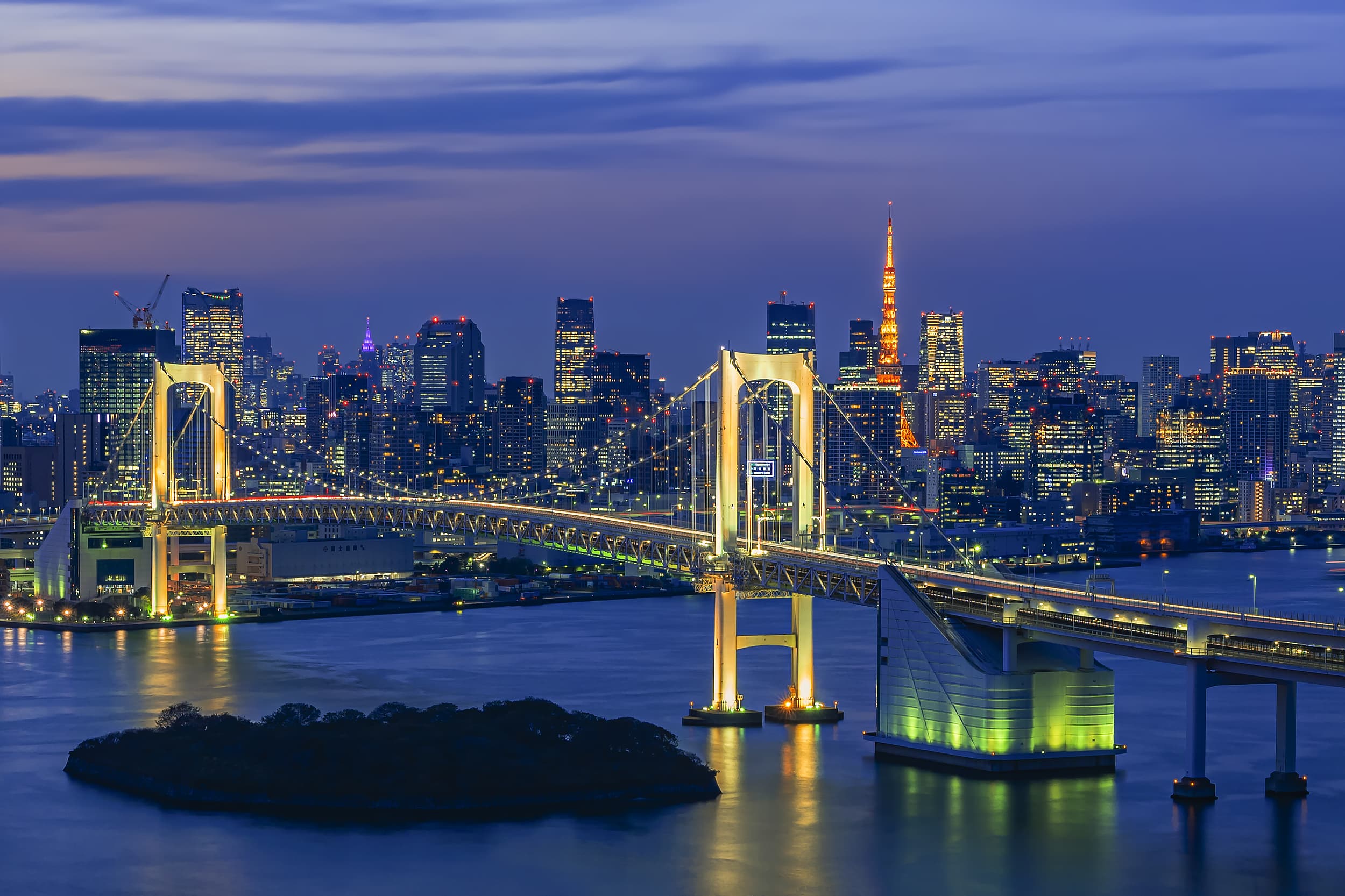
Visitors consistently praise Odaiba for its diverse range of attractions and its vibrant atmosphere. Many highlight the impressive views of the Rainbow Bridge and Tokyo Tower, especially at sunset and night, as a major draw. The life-sized Gundam statue is a frequent mention, particularly by fans, who consider it a pilgrimage site. Reviewers also appreciate the abundance of shopping malls like Aqua City and DiverCity Tokyo Plaza, along with various museums such as the National Museum of Emerging Science and Innovation (Miraikan) and the Toyota Mega Web (though the latter has closed). The area is often described as family-friendly, with plenty of activities for children, and also romantic for couples, offering excellent dining options and pleasant walking routes along the waterfront. The futuristic architecture, including the Fuji Television building, also receives positive comments.
To make the most of a visit, plan to spend at least half a day, or even a full day, to explore the various attractions without rushing. Many suggest arriving in the late afternoon to enjoy daylight activities, catch the sunset over Tokyo Bay, and then experience the illuminated Rainbow Bridge and Tokyo Tower at night. Comfortable walking shoes are essential, as there is a lot of ground to cover between the different complexes. Consider purchasing a one-day pass for the Yurikamome line if you plan to hop between several stations within Odaiba, as individual tickets can add up. While there are numerous dining options, some visitors recommend exploring the food courts in the shopping malls for a wider variety and potentially more budget-friendly choices.
Odaiba is primarily accessed via the Yurikamome Line, an automated transit system that offers scenic views as it crosses the Rainbow Bridge. The nearest stations include Odaiba-kaihinkōen Station and Daiba Station, both providing direct access to the main attractions. Another popular option is the Rinkai Line, which connects to major JR lines and stops at Tokyo Teleport Station, also within easy walking distance of many sights. For a more unique experience, water buses operate from various points in Tokyo, such as Asakusa, offering a scenic approach to Odaiba. Driving is also an option, with ample parking available at the various shopping complexes, though public transport is generally recommended due to Tokyo's efficient network.
A common complaint among some visitors is that Odaiba can feel somewhat artificial or commercialized compared to other parts of Tokyo. To mitigate this, focus on the unique aspects like the waterfront park, the views, and specific museums that align with your interests, rather than solely on the shopping malls. Some also note that attractions can be spread out, requiring a fair amount of walking; utilizing the Yurikamome line or planning your route efficiently can help. Lastly, while the Statue of Liberty replica is a popular photo spot, some find it underwhelming; manage expectations and appreciate it as part of the quirky, diverse landscape of Odaiba rather than a standalone marvel.