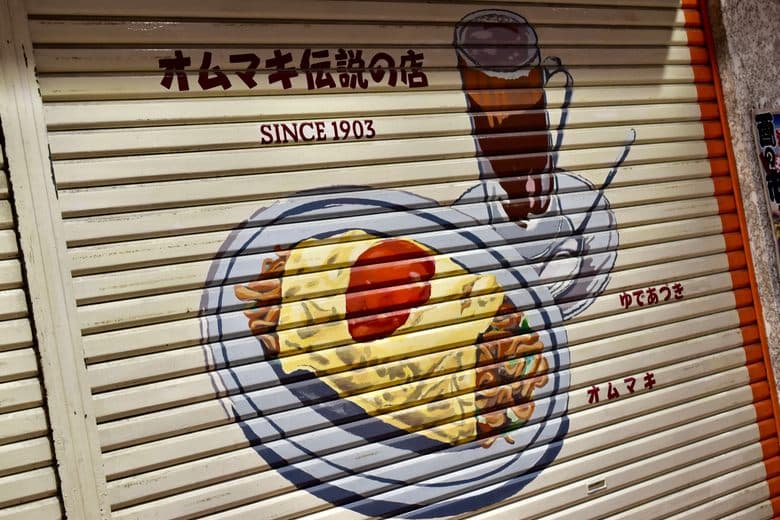
Denkiya Hall is not just a cafe; it's a living piece of Tokyo's history. Established in 1903 as an electronics store, it transformed into a cafe during the Russo-Japanese War, a testament to its adaptability and enduring charm. The name itself, referencing "denki" (electricity), harks back to a time when electricity was a modern marvel. Today, it stands as a beloved local institution, offering a nostalgic escape from the bustling city.
Visitors consistently praise the cafe's unique retro ambiance, often highlighting the antique chandelier, 1950s background music, and the rare vintage games attached to some tables. Many reviewers are drawn to its distinctive menu items, particularly the omu-maki (yakisoba wrapped in an omelette), which is said to have been invented here, and the traditional yude-azuki (sweet red bean drink), a treat rarely found elsewhere. The cozy, unpretentious atmosphere and friendly service are frequently mentioned as reasons for a pleasant experience, making it a favorite spot for both locals and tourists seeking an authentic taste of Showa-era Japan.
For a truly immersive experience, plan to spend about 1-2 hours here, allowing time to savor your meal or drink and soak in the atmosphere. It's best visited for a relaxed breakfast or lunch. Reviewers suggest trying both the omu-maki and yude-azuki for a complete taste of Denkiya Hall's unique offerings. The cafe can get busy, especially during peak lunch hours, so consider an earlier or later visit for a quieter experience. Bring cash, as smaller, traditional establishments sometimes have limited card payment options.
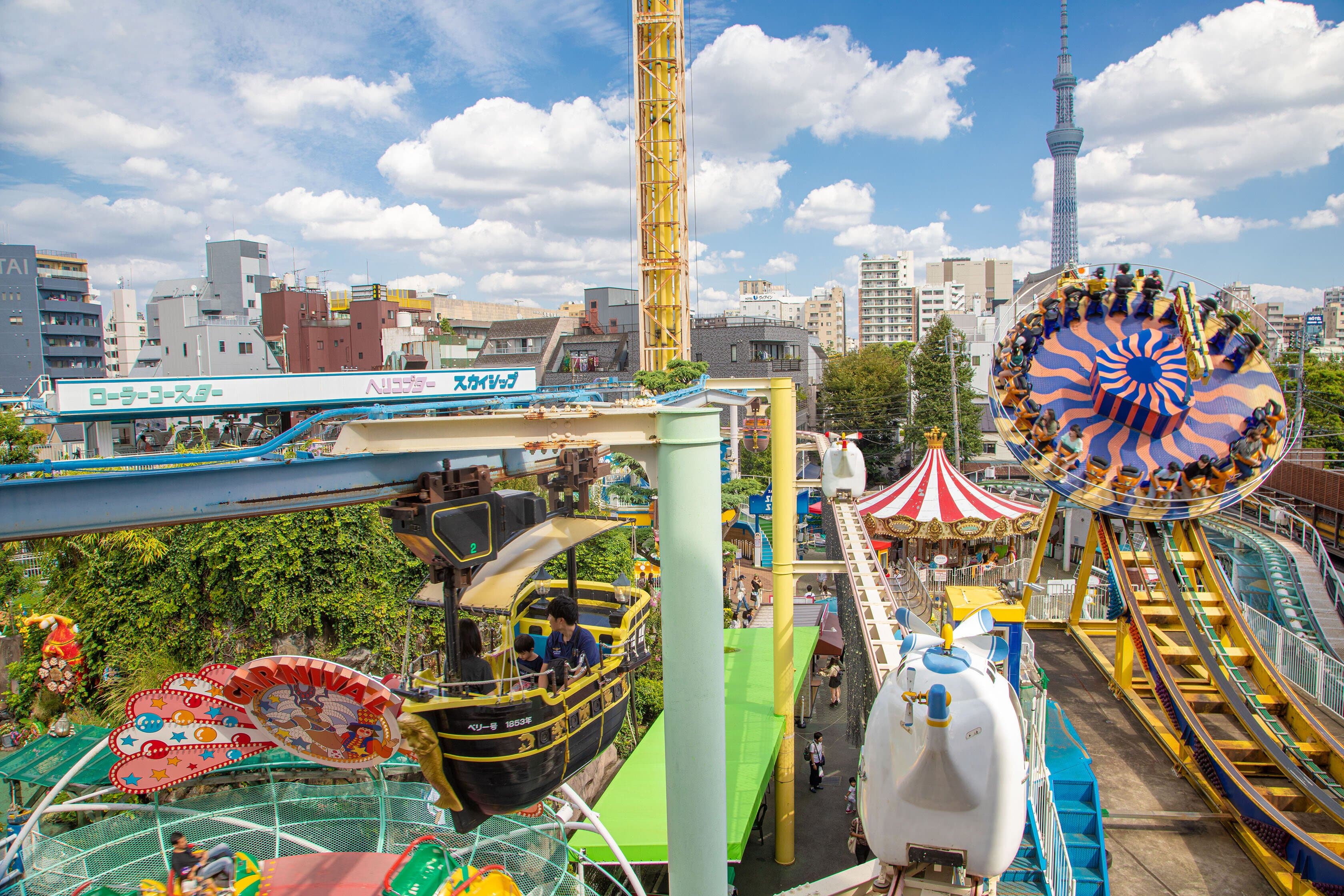
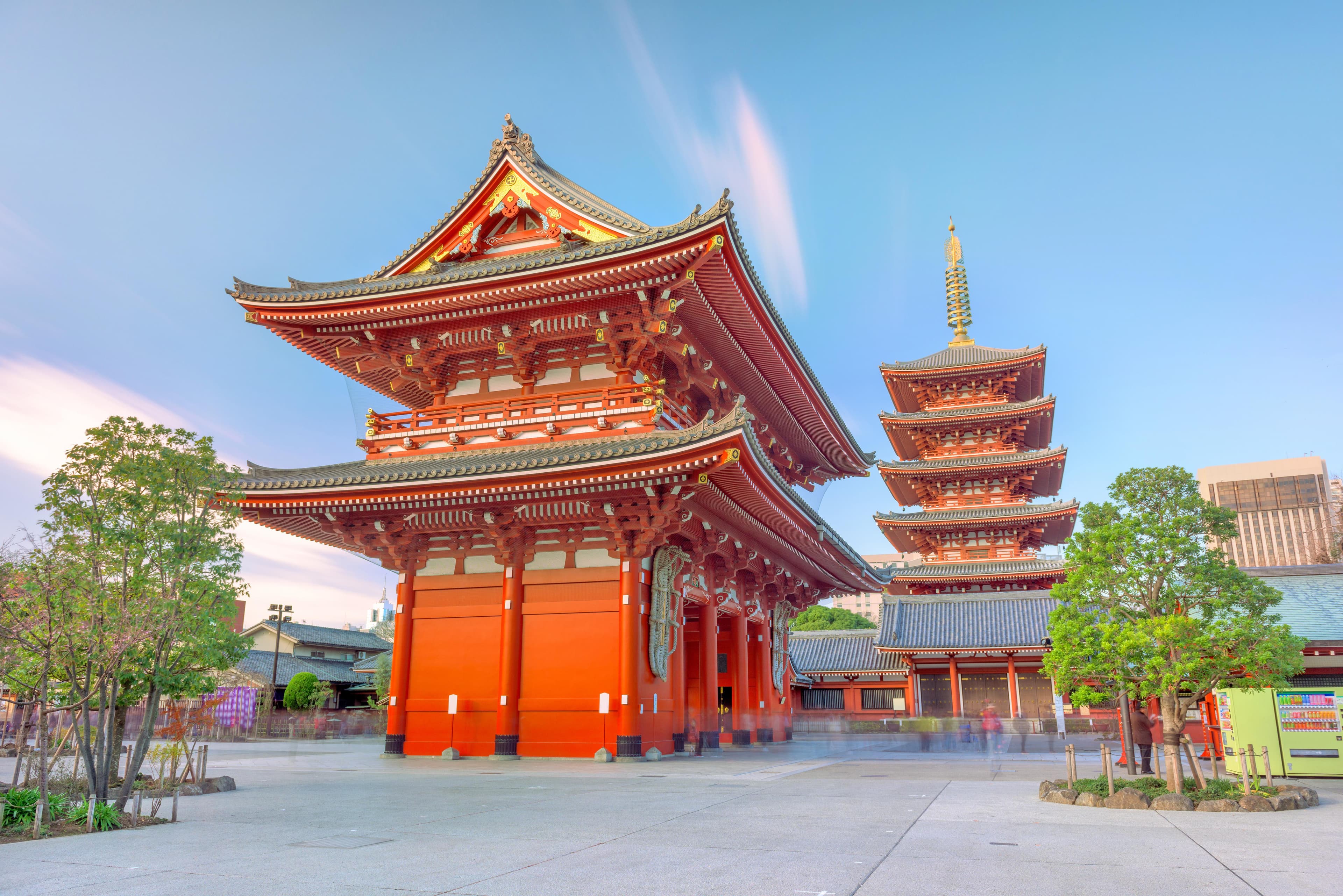
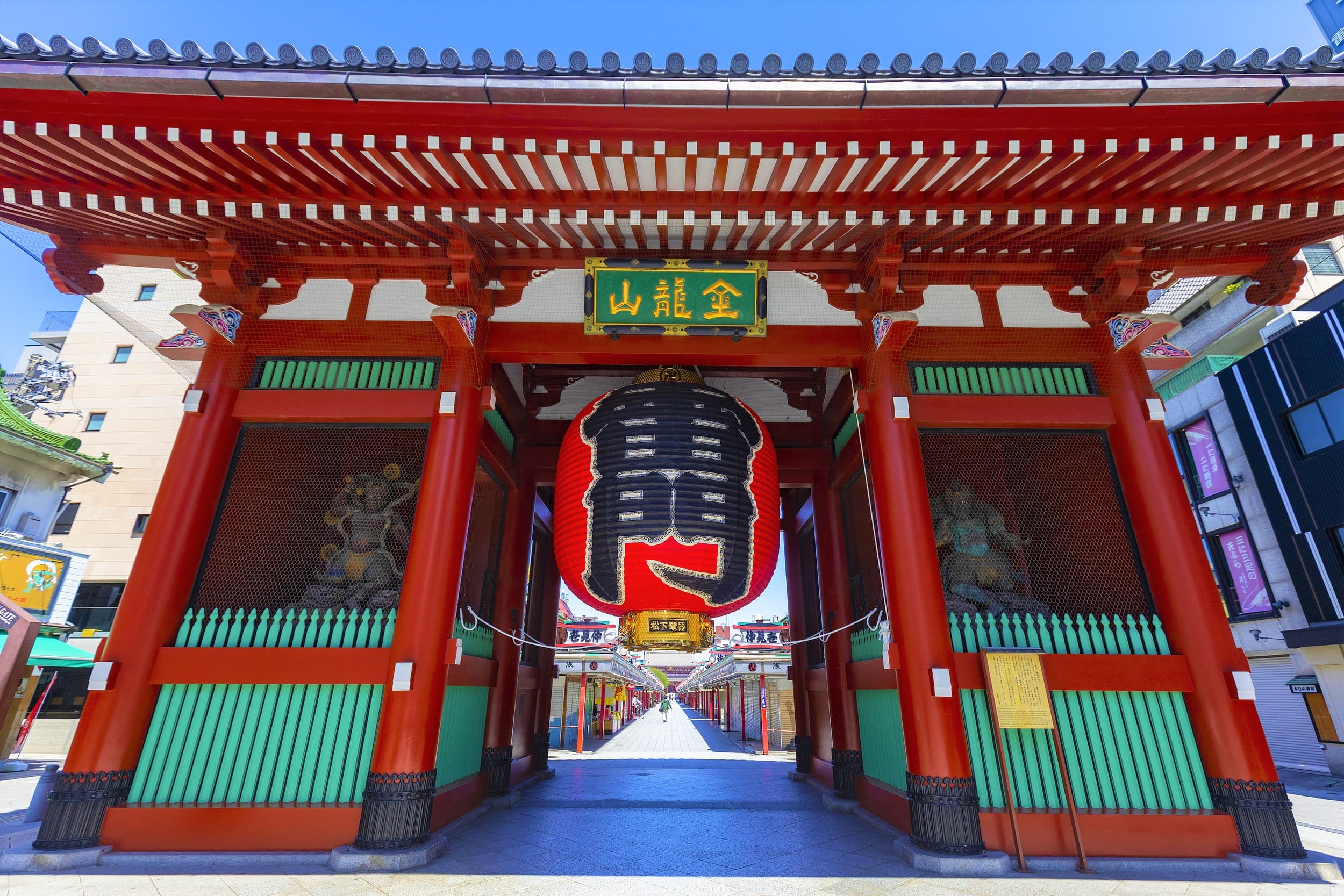
Denkiya Hall is conveniently located in the Kannon-Ura area, just north of the popular Senso-ji Temple. From Asakusa Station (served by the Tokyo Metro Ginza Line, Toei Asakusa Line, and Tobu Skytree Line), it's approximately a 10-15 minute walk. Many visitors combine a trip to the temple with a stop at the cafe. The area is easily navigable on foot, and public transport is the most recommended way to reach Asakusa.
A common observation from visitors is that the cafe's interior, while charmingly retro, can feel a bit cramped, especially when crowded. To mitigate this, consider visiting during off-peak hours, such as mid-morning or late afternoon. Some reviewers also note that the menu is quite specific to traditional Japanese cafe fare, so those looking for a wide variety of modern options might find it limited. Embrace the unique offerings for the best experience.