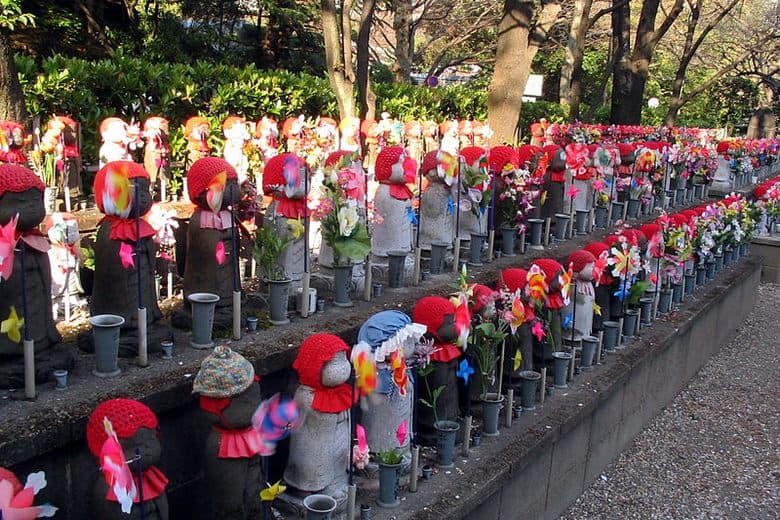
The Garden of Unborn Children, located within the historic Zojoji Temple complex, is a profoundly moving and culturally significant site. It features hundreds of small stone Jizo statues, each representing a child lost to miscarriage, stillbirth, or abortion. These statues are often adorned with tiny clothes, hats, and toys, left by grieving families as offerings and a way to cope with their loss. The garden serves as a powerful testament to Japanese traditions of remembrance and compassion for the souls of children, particularly through the figure of Jizobosatsu, the Buddhist protector of women and children.
Visitors consistently describe the garden as a somber yet beautiful and peaceful place, offering a unique glimpse into a deeply personal aspect of Japanese culture. Many find the sight of the decorated statues incredibly touching and reflective, prompting quiet contemplation. Reviewers often highlight the respectful atmosphere and the sense of peace despite the underlying sadness. It's a place that encourages introspection and offers a different perspective on life and loss compared to more typical tourist attractions.
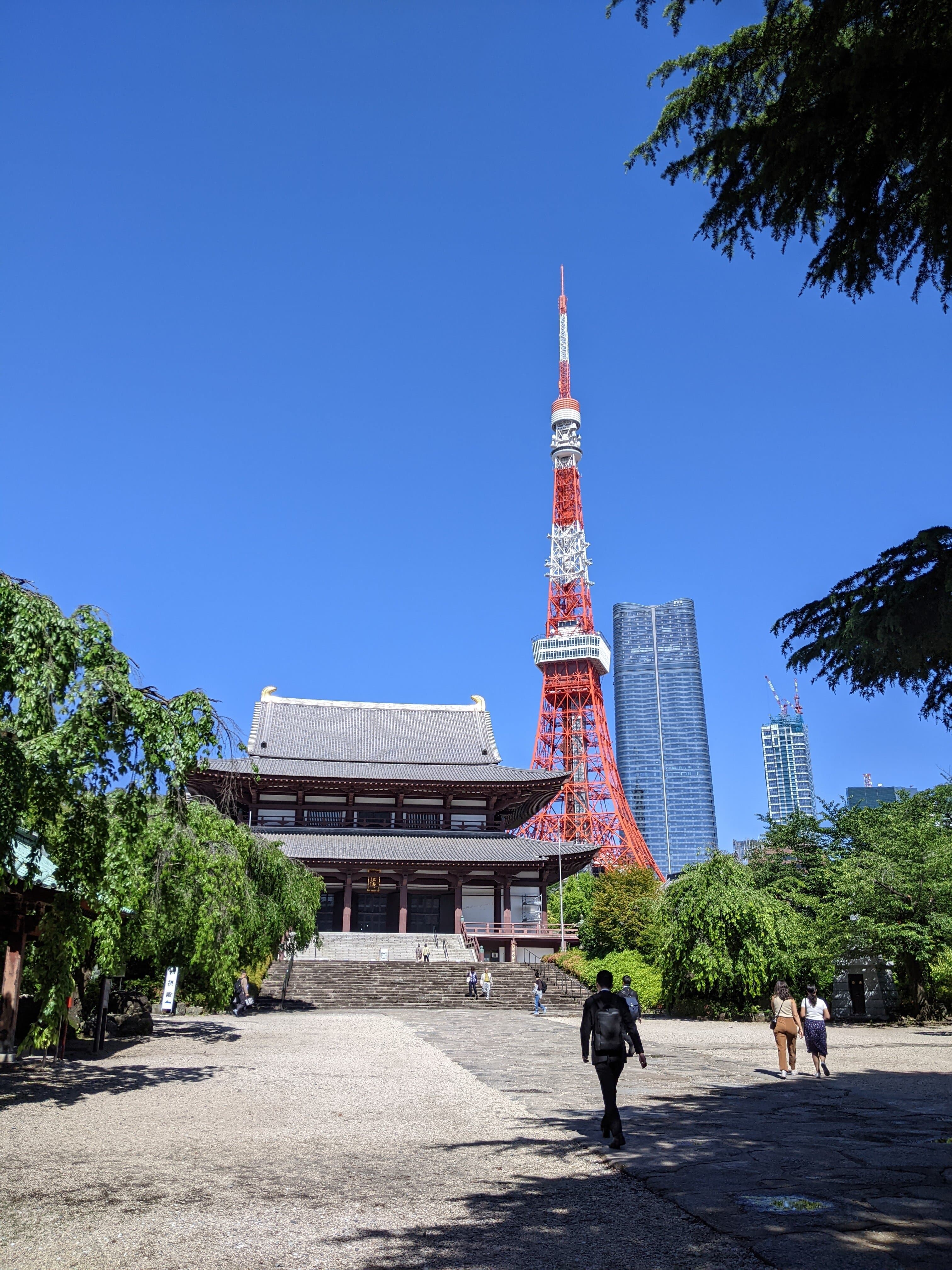
For a meaningful visit, allocate about 30-60 minutes to quietly walk through the garden and absorb its atmosphere. It is best visited during daylight hours to fully appreciate the details of the statues and their offerings. The garden is an outdoor space, so dress appropriately for the weather. There is no specific entry fee for the garden itself, as it is part of the Zojoji Temple grounds. Visitors recommend combining a visit here with Tokyo Tower, which is conveniently located nearby, offering a striking contrast between modern and ancient Tokyo.
The Zojoji Temple complex is easily accessible by public transport. The nearest subway stations are Onarimon Station (Mita Line, exit A1 or A6), Shibakoen Station (Mita Line, exit A4), and Daimon Station (Asakusa Line/Oedo Line, exit A6). From these stations, the temple is just a short walk, typically 3-5 minutes. If arriving by JR, Hamamatsucho Station (Yamanote Line) is also an option, about a 10-15 minute walk. The Garden of Unborn Children is situated at the back and side of the main temple building, and signs within the temple grounds can guide visitors.
While most visitors find the experience deeply positive, some may find the subject matter emotionally challenging. It is important to approach the garden with respect and sensitivity, understanding its purpose as a place of mourning and remembrance. Avoid loud conversations or disruptive behavior. There are no common complaints about the garden itself, but visitors should be mindful of its solemn nature.