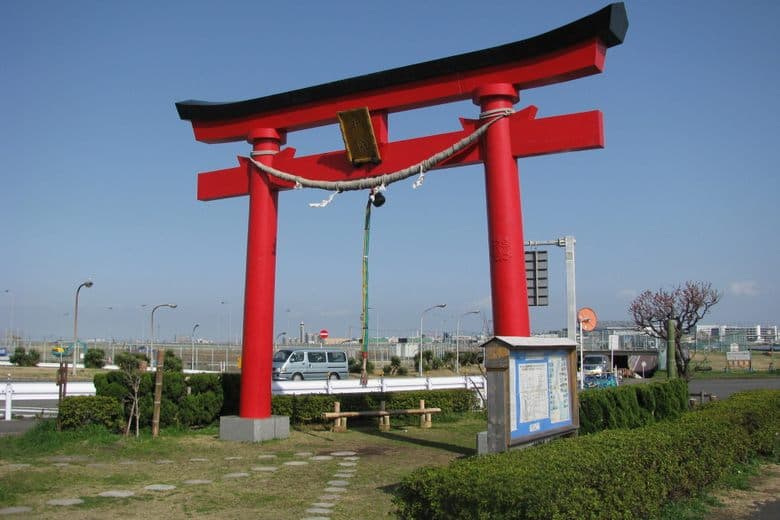
The Haneda Ōtorii is not just an ordinary torii gate; it's a significant historical artifact with a captivating legend. Originally part of the Anamori Inari Shrine, established in 1804, this gate witnessed the dramatic transformation of the area into Haneda Airport after World War II. Its story is intertwined with the forced relocation of thousands of residents and the expansion of the airbase under General Douglas MacArthur, making it a poignant symbol of resilience and local history.
Visitors are often drawn to the gate's "cursed" reputation, stemming from failed demolition attempts and unfortunate incidents during its initial removal. This folklore adds a mystical layer to its historical significance, inviting contemplation on the intersection of tradition and modernity. While not a major tourist attraction, its unique narrative makes it a compelling stop for those interested in the lesser-known stories of Tokyo.
To fully appreciate the Haneda Ōtorii, allow about 30 minutes to an hour for your visit. There isn't much else to do directly at the gate, but it serves as a good starting point for exploring the nearby relocated Anamori Inari Shrine. The best time to visit is during daylight hours, as the gate is an outdoor monument. There are no facilities or shops directly at the site, so it's advisable to bring your own water if needed.
The Haneda Ōtorii is conveniently located and easily accessible by public transport. It is a five-minute walk from Tenkūbashi Station. From Tenkūbashi Station, the relocated Anamori Inari Shrine is another five-minute walk, allowing for a combined visit. This makes it an ideal stop for travelers with some time to spare before or after flights from Haneda Airport.
While there are no common complaints about the gate itself, visitors should be aware that it is a standalone monument in an urban setting, not a sprawling temple complex. Managing expectations regarding its size and the scope of the visit will ensure a more satisfying experience. It's a place for reflection and historical appreciation rather than extensive exploration.