Harajuku is a district in Shibuya, Tokyo, globally recognized as a hub for Japanese youth culture and fashion. It's where cutting-edge trends, quirky styles, and traditional elements converge, making it a unique destination for both fashion enthusiasts and curious travelers. The area's significance lies in its role as a birthplace for many subcultures, influencing global fashion and art.
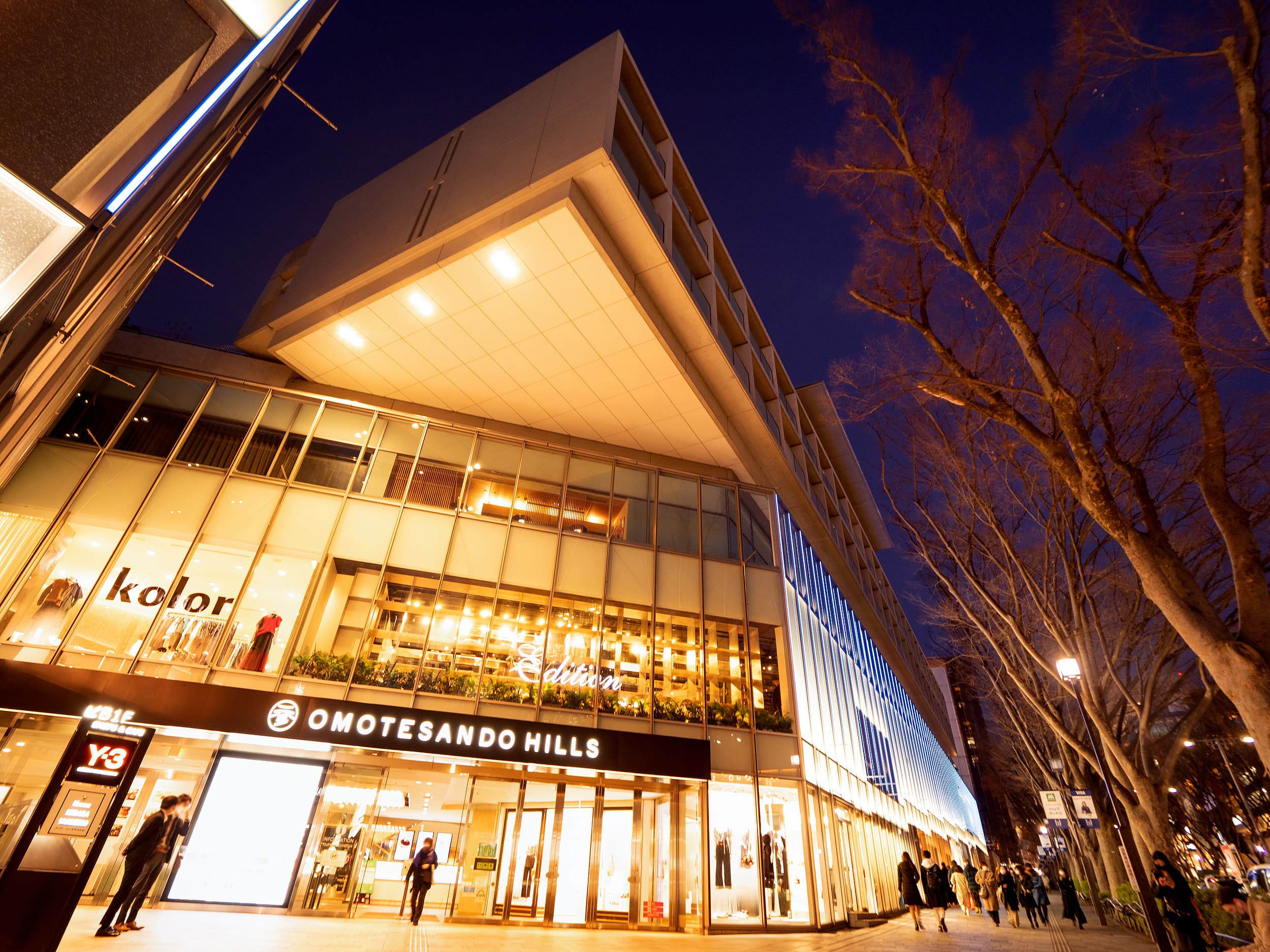
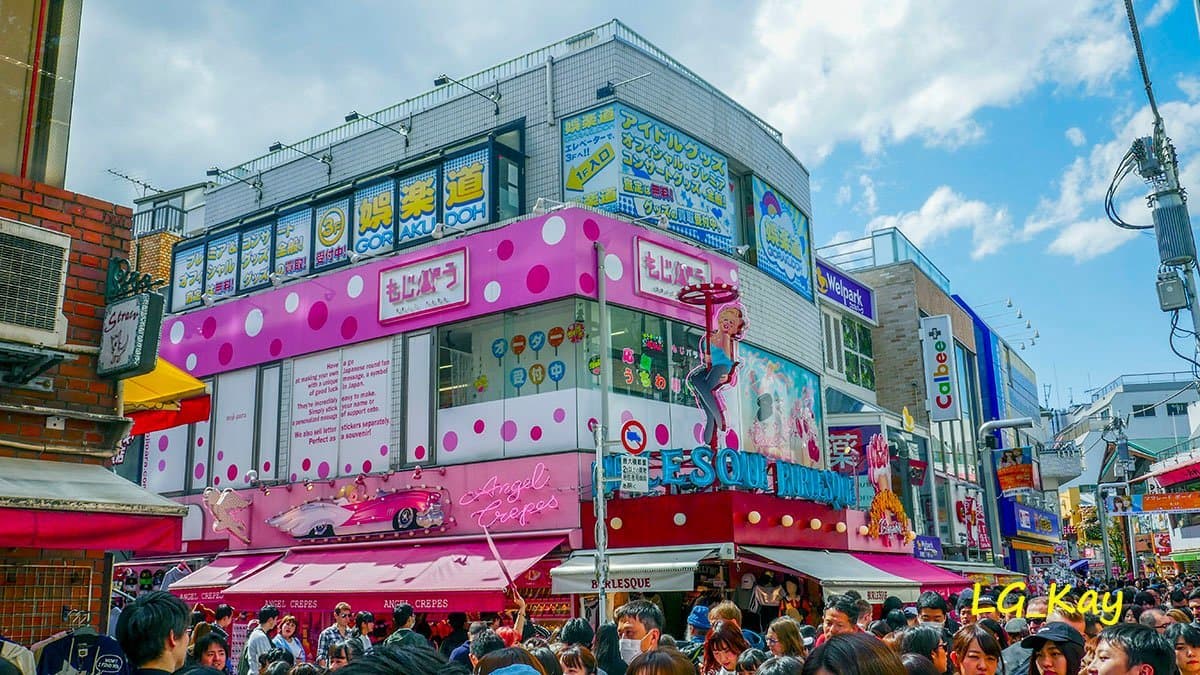
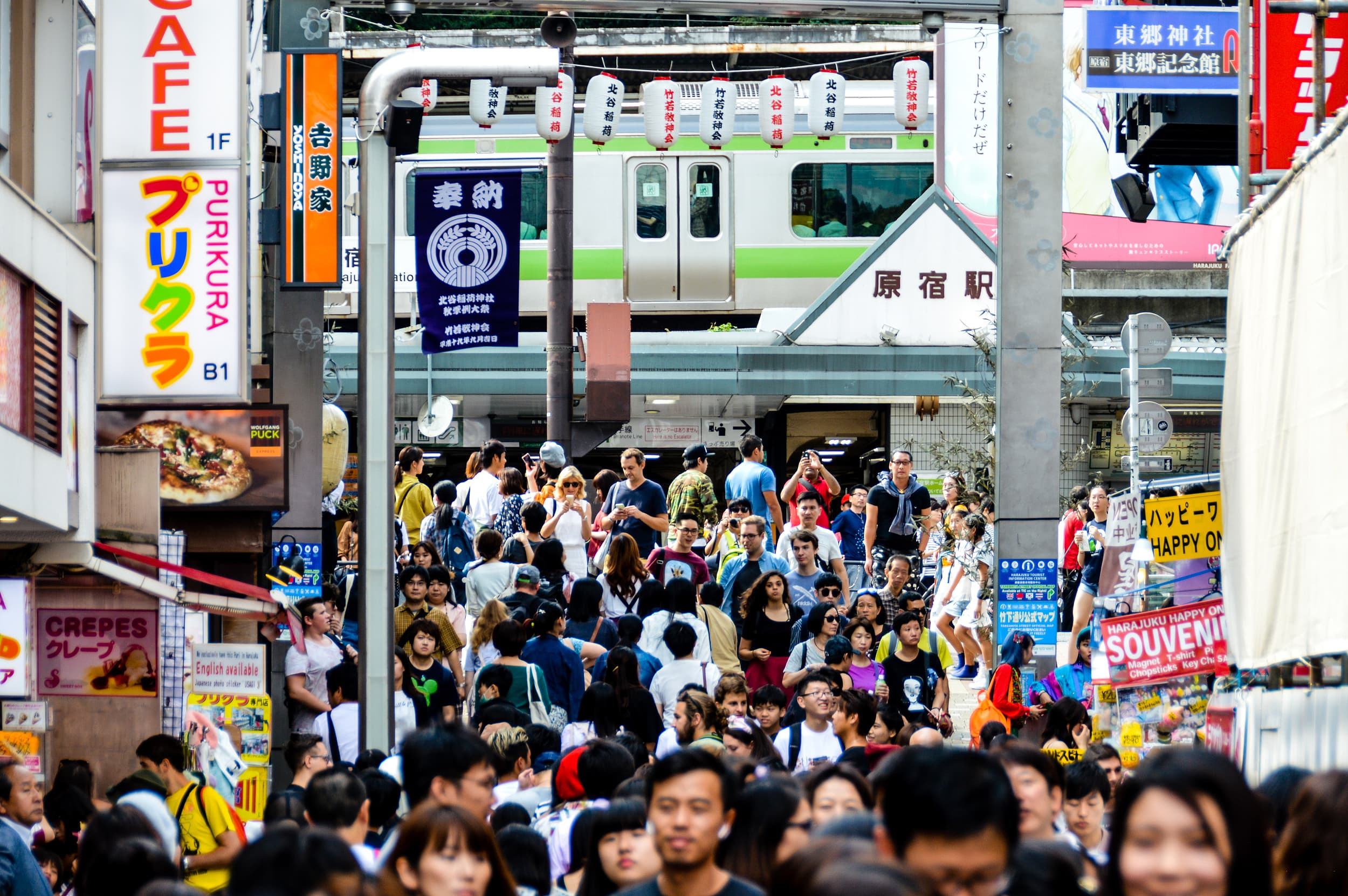
Visitors consistently praise the vibrant energy and the sheer diversity of fashion on display, from gothic lolitas to punk rockers and everything in between. Many enjoy people-watching and discovering unique shops that offer items not found elsewhere. The Takeshita Street (Takeshita-dori) is frequently highlighted as the heart of this fashion spectacle, though some visitors find it overwhelmingly crowded, especially on weekends. Reviewers often recommend exploring the quieter backstreets and Omotesando Avenue for a more upscale and relaxed shopping experience.
To make the most of a visit, it's advisable to go on a weekday morning to avoid the largest crowds, though weekends offer the best chance to see people dressed in elaborate Harajuku styles. Wear comfortable shoes as you'll be doing a lot of walking. Many visitors suggest allocating at least 2-3 hours to explore Takeshita Street, Omotesando, and the surrounding areas. Don't forget to try some of the famous crepes or rainbow cotton candy, which are popular street food items. While there are many unique shops, some visitors warn that prices can be high, so it's good to set a budget.
Harajuku is easily accessible by public transport. The most convenient way is to take the JR Yamanote Line to Harajuku Station. Takeshita Street is directly across from the station's Takeshita Exit. Alternatively, you can take the Tokyo Metro Chiyoda Line or Fukutoshin Line to Meiji-jingumae 'Harajuku' Station, which is also very close to the main attractions. The area is very walkable once you arrive, with clear signage to key points of interest.
A common complaint is the intense crowding, particularly on weekends and public holidays, which can detract from the experience. To mitigate this, consider visiting early in the morning on a weekday. Some visitors also find the commercialization of Takeshita Street to be a bit overwhelming, suggesting that the 'authentic' Harajuku style is now more dispersed. Exploring beyond Takeshita Street into areas like Cat Street or Omotesando can offer a more varied and less tourist-centric experience.