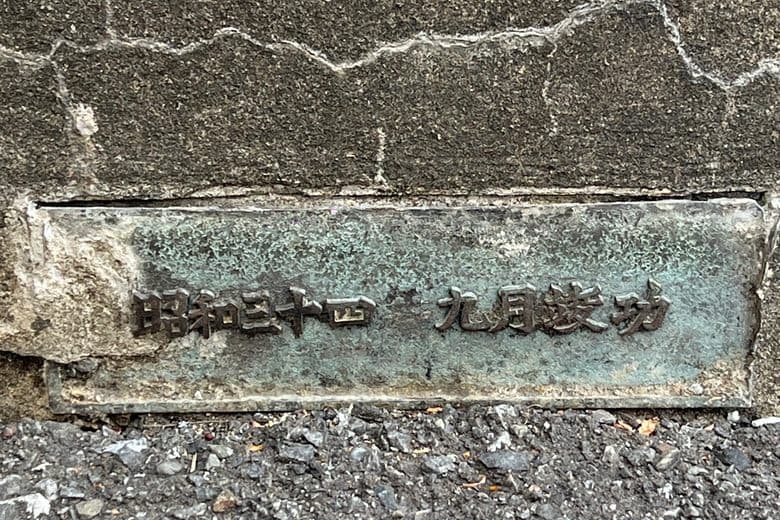
The Hatsudai Bridge is not a grand, imposing structure, but rather a humble, knee-high stone railing that serves as one of the best-preserved remnants of Tokyo's 'lost rivers.' These rivers, once a vital part of the city's landscape, were gradually covered and built over during Tokyo's rapid modernization, transforming into underground culverts. The Hatsudai Bridge marks the former path of a tributary of the Udagawa river, offering a tangible connection to a hidden aspect of the city's urban history.
Visitors interested in urban archaeology or the unique engineering solutions of Tokyo's past will find this site particularly compelling. It's a quiet testament to how the city adapted its infrastructure, transforming natural waterways into the foundations for its sprawling street network. While not visually spectacular, its significance lies in what it represents: a piece of a forgotten Tokyo, literally beneath your feet.
To fully appreciate the Hatsudai Bridge, it's recommended to approach it with an understanding of its historical context. Spend about 15-30 minutes observing the structure and its surroundings, perhaps looking for other subtle clues of the former riverbed, such as unusual road curves. This is not a destination for a quick photo stop, but rather for quiet contemplation. There are no facilities or guides, so come prepared to interpret the site on your own.
The Hatsudai Bridge is located in a residential area of Hatsudai, a short distance from the bustling centers of Shinjuku and Shibuya. The nearest major public transport hub is Hatsudai Station on the Keio New Line. From the station, the bridge is within walking distance, though navigating the quiet residential streets may require a map or GPS. Driving is generally not recommended due to limited parking and the focus on public transport in Tokyo.
A common 'complaint' or observation from visitors is that the bridge is easily missed or appears unremarkable at first glance. To mitigate this, approach the site with the expectation of seeing a historical marker rather than a grand monument. Its charm lies in its subtlety and the story it tells about Tokyo's hidden past, not in its visual impact.