Inari Soba Mansei is a historic soba noodle shop in Tokyo's Koishikawa district, renowned for its deep connection to local folklore. According to legend, this establishment, dating back over 400 years, was frequented by Takuzousu, a shapeshifting fox-spirit monk from Denzuin Temple. The shop maintains a daily ritual of offering the first soba noodles to the Inari deity, a custom believed to have continued for centuries, making it a living piece of Tokyo's cultural and culinary heritage.
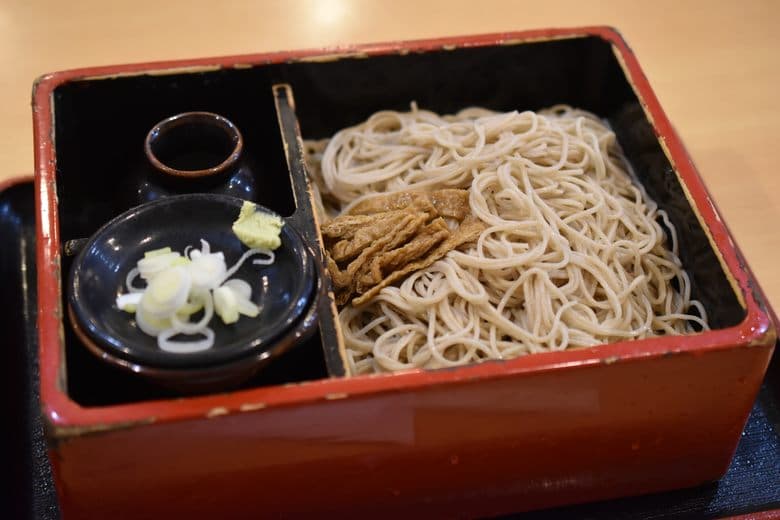
Visitors consistently highlight the authentic, local atmosphere of the shop. Reviewers appreciate the sense of stepping back in time, noting the presence of historical artifacts like a bronze bell from the original Takuzousu shrine and an old noodle shop license. The menu, while entirely in Japanese, offers traditional soba dishes, with the 'hakosoba' featuring aburaage (fried tofu) being a popular choice, directly referencing the fox-spirit legend. The experience is often described as a quiet, unpretentious encounter with genuine Japanese tradition, far removed from typical tourist crowds.
For a truly immersive experience, it's recommended to visit during lunch hours. Be prepared for a menu solely in Japanese; having a translation app or knowing basic soba terms can be helpful. The shop is small and primarily caters to locals, so a respectful and quiet demeanor is appreciated. Consider combining your visit with exploration of the nearby Denzuin Temple and Takuzousu Inari shrine to fully appreciate the historical and legendary context of the noodle shop. A quick meal here typically takes about 30-60 minutes.
The restaurant is located in the Koishikawa district of Bunkyo City, Tokyo. While specific public transport details are not extensively mentioned in reviews, its proximity to Denzuin Temple suggests it's accessible via local train lines and a short walk. Visitors should consult a map for the nearest subway or JR station to Denzuin Temple, as the noodle shop is a short walk from there.
A common point for visitors is the language barrier, as the menu is exclusively in Japanese. To mitigate this, consider having a translation app ready or be prepared to point to dishes. The shop's unassuming appearance might lead some to overlook its historical significance, so approaching it with an understanding of its background enhances the visit.