Kenashi Pond, or Kenashi-ike, is a small, natural pond nestled within a residential area of Tokyo's Katsushika Ward. While it might appear to be just another urban green space, its significance lies in the rich tapestry of local folklore and superstitions that surround it. Dedicated to Mikumari-no-kami, the god of water, the pond is believed to be home to a giant white snake, a messenger of the deity, and has been the subject of numerous strange tales, including its purported ability to bring rain and, more bizarrely, pubic hair.
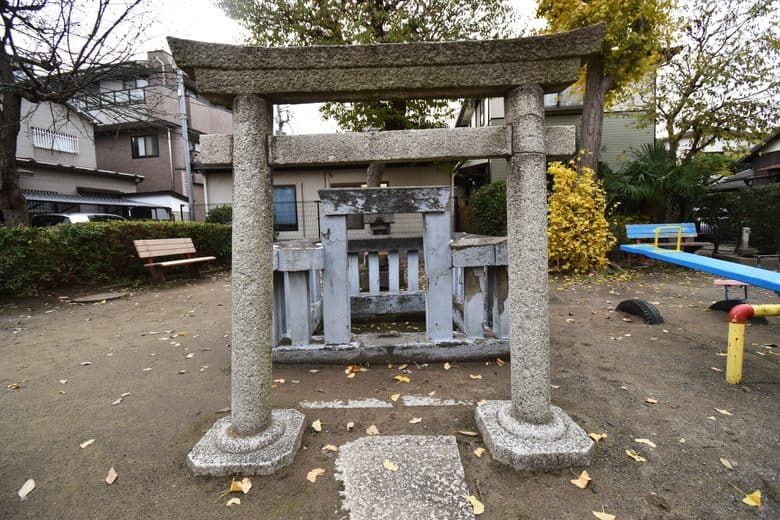
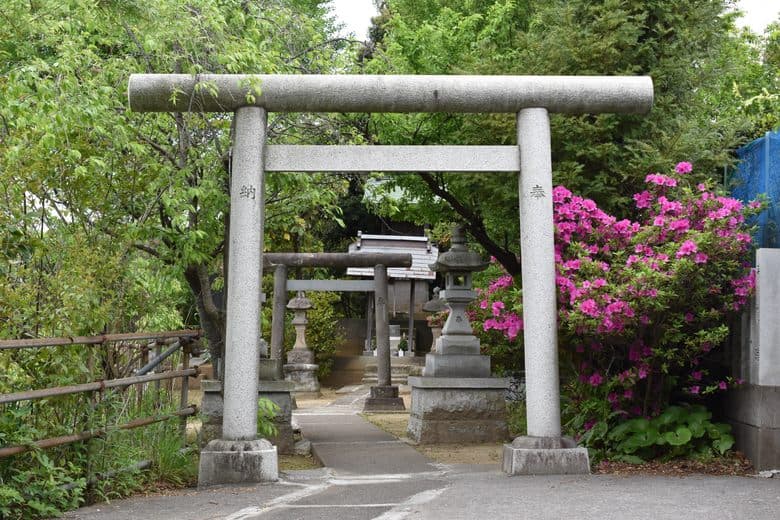
Visitors to Kenashi Pond are primarily drawn by the intriguing and somewhat unsettling legends. The small shrine by the pond, dedicated to the water god, serves as a tangible link to these stories. Reviewers often note the contrast between the pond's unassuming appearance—covered with water lilies and frequented by ducks—and the dramatic narratives associated with it, such as the pond's role in preventing a landfill project through incessant rain, or the discovery of a 50-foot snake track after a shrine fire. The signs warning against fishing, citing the site's sacred nature, reinforce the mystical atmosphere.
For those interested in obscure Japanese folklore, a visit to Kenashi Pond offers a unique glimpse into local beliefs. It's best experienced as a brief stop, perhaps 30-60 minutes, to absorb the atmosphere and reflect on the legends. There's no specific 'best time' to visit, as its charm is in its quiet, residential setting rather than grand vistas. Visitors should be aware that it is a small, natural area and not a manicured park; comfortable shoes are advisable for walking around the perimeter. There are no facilities or shops directly at the pond, so plan accordingly.
Kenashi Pond is situated in a residential part of Katsushika Ward. While specific public transport lines are not detailed in reviews, Tokyo's extensive train and bus network makes most areas accessible. Visitors would likely need to take a train to a nearby station in Katsushika Ward and then walk or take a local bus. Given its residential location, driving might be an option, but parking could be limited. It is not a destination easily reached by direct public transport from major tourist hubs, requiring some local navigation.
The primary 'complaint' or observation from visitors is that the pond itself is quite ordinary in appearance, especially for those expecting a grand or visually striking attraction. To mitigate this, approach the visit with an appreciation for its cultural and folkloric significance rather than its aesthetic appeal. Understand that the value of Kenashi Pond lies in its stories and its role as a local sacred site, not as a scenic landmark.