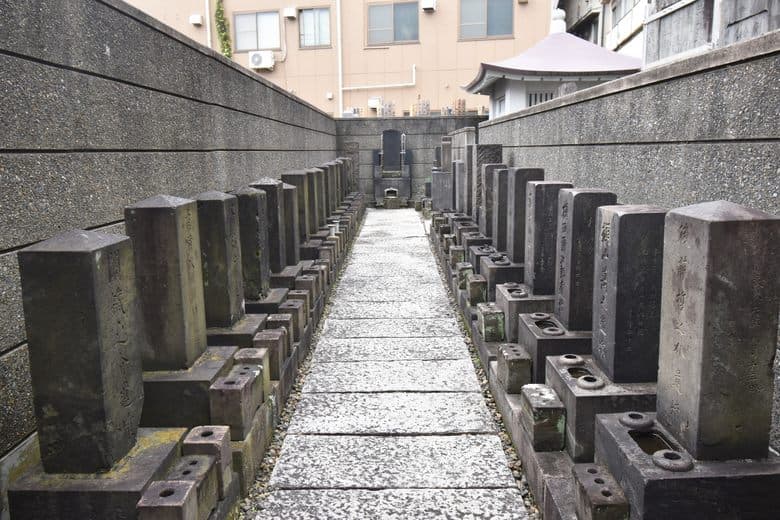
The Kozukappara Execution Grounds, established in 1651, served as one of the three major execution sites during the Edo period in Japan. An estimated 200,000 individuals were executed here through methods such as crucifixion, burning at the stake, and beheading, with their heads often displayed publicly. The site's closure in 1873 marked a shift towards aligning with Western human rights standards. Beyond its grim function, Kozukappara played a pivotal role in Japan's intellectual history when, in 1771, a group of 'Dutch studies' scholars performed dissections on executed bodies. This groundbreaking work, comparing their findings with a Dutch anatomy book, led to the translation of Kaitai Shinsho (New Book on Anatomy), a landmark publication that not only advanced medical science but also initiated a broader acceptance of foreign cultures and ultimately contributed to Japan's modernization.
Visitors consistently note the somber atmosphere of the site, which is now largely occupied by Ekō-in Temple and Enmei-ji Temple. While the temples themselves are active Buddhist sites with cemeteries, the historical significance of the execution grounds is preserved through a memorial plaque dedicated to the 'Viewing of Internal Organs' at Ekō-in and the 'Beheading Buddha' statue at Enmei-ji. Reviewers emphasize the importance of approaching the site with respect, as it remains a place of remembrance and religious practice, distinct from a typical tourist attraction. The historical narrative, particularly the connection to early scientific inquiry, is often highlighted as the most compelling aspect for those who visit.
To fully appreciate the historical context, it is advisable to research the site's history, especially the story of Sugita Genpaku and the Kaitai Shinsho, before visiting. A visit typically takes about 30-60 minutes, allowing time for quiet contemplation and reading the informational plaques. There are no specific items to bring, but comfortable shoes are always recommended for walking around temple grounds. Visitors should be mindful of the temple's operating hours, generally from 9 a.m. to 4:30 p.m., to ensure access to the memorial areas.
The Kozukappara Execution Grounds are conveniently located directly across the street from Minami-senju Station. This station is served by the JR Joban Line, Tokyo Metro Hibiya Line, and Tsukuba Express Line, making it easily accessible from various parts of Tokyo. Upon exiting the station, Ekō-in and Enmei-ji Temples are immediately visible and within a short walking distance. No driving or parking information is typically necessary due to the excellent public transport access.
A common complaint, or rather a point of clarification, is that the site is not a preserved execution ground in the traditional sense, but rather a memorial within active temple grounds. Visitors expecting a stark, historical site might be surprised by the peaceful temple environment. To mitigate this, it's important to understand that the historical significance is conveyed through specific monuments and the narrative, rather than extensive preserved structures of the execution site itself. Maintaining a respectful demeanor is crucial, as the temples are active places of worship and remembrance.