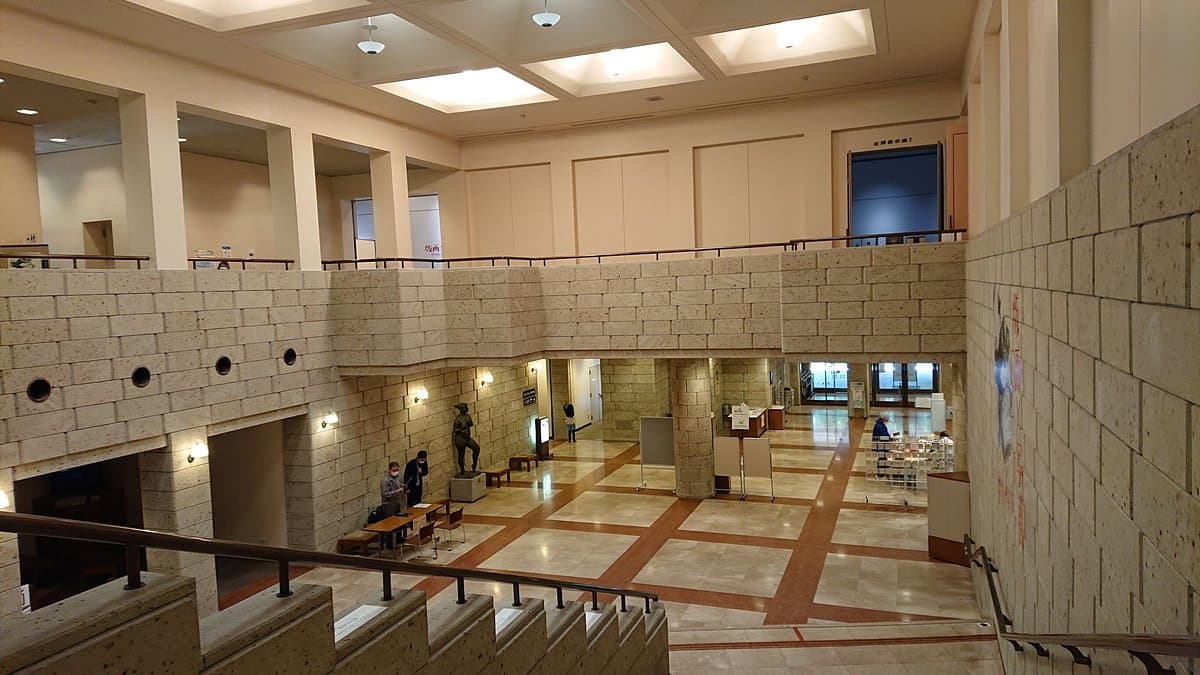
The Machida City Museum of Graphic Arts is dedicated to the art of prints, often referred to as graphic arts. It primarily showcases contemporary works, with a strong focus on Japanese prints. The museum is known for its rotating temporary exhibitions, which can range from highly acclaimed to less engaging, offering a varied experience for repeat visitors.
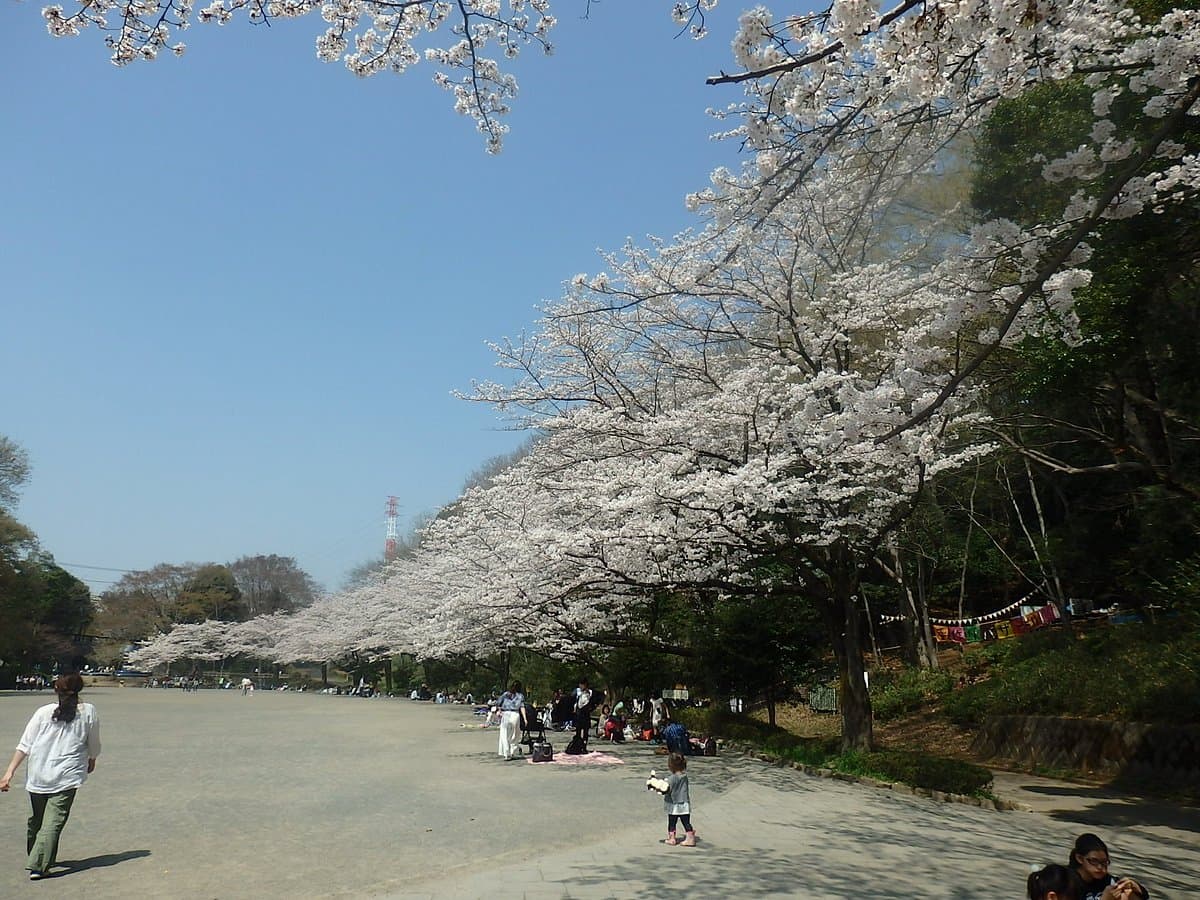
Visitors consistently praise the museum's intimate scale, which allows for a focused and unhurried viewing experience. Many highlight the quality of the temporary exhibitions, particularly those featuring Japanese artists. The museum's location at the Southern Entrance to Serigaya Park is also seen as a positive, providing a pleasant environment. However, some visitors have found certain exhibitions, such as the 'School exhibits,' to be less compelling and suggest skipping them unless one has a specific interest.
For practical advice, visitors recommend checking the current exhibition schedule in advance, as the quality and appeal can vary. Admission is typically around 800 yen, with a 100 yen discount often available via web coupons. It is important to note that the museum does not accept cashless payments, so bringing cash is essential. Photography is sometimes permitted in specific sections, such as 'Works by Young Artists,' but it is advisable to confirm on arrival. The museum is accessible for prams and wheelchairs, with a winding path from the West entrance leading down to the building.
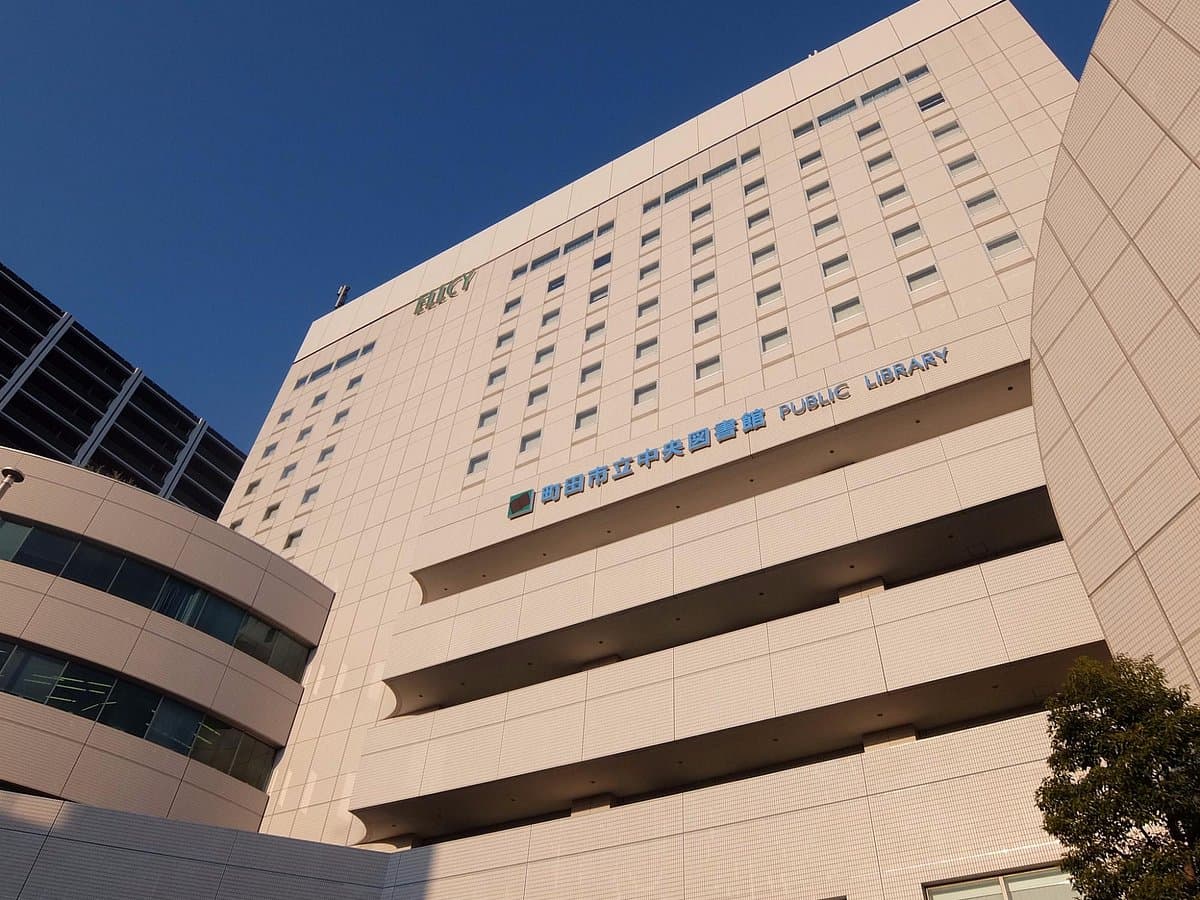
The museum is approximately a 1km walk from Machida Station, which visitors describe as not difficult. To reach it, head towards the Southern Entrance of Serigaya Park. If approaching from the West entrance of the park, look for a path to the right that leads down to the museum. Public transport to Machida Station is readily available via various train lines.
A common complaint relates to the inconsistency of exhibition quality; some temporary shows are highly regarded, while others are considered less interesting. To mitigate this, reviewing the exhibition themes online before visiting is recommended. Another point of concern, though isolated, involved staff conduct, suggesting that visitors should expect professional service but be prepared to report any issues if they arise.