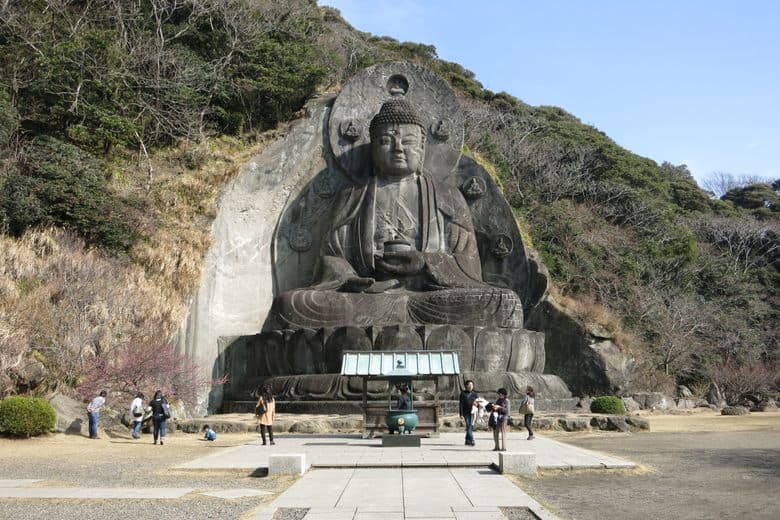
Mount Nokogiri, literally 'Saw Mountain' due to its jagged ridge, is a historically significant site in Chiba Prefecture, renowned for its past as a major stone quarry and its transformation into a unique tourist attraction. It is home to the ancient Nihon-ji Temple, established in 725 AD, and features impressive stone carvings, including Japan's largest pre-modern stone Buddha and over 1,500 smaller rakan (arhat) statues. The mountain's dramatic landscape, shaped by centuries of quarrying, offers a fascinating blend of natural beauty and human endeavor.
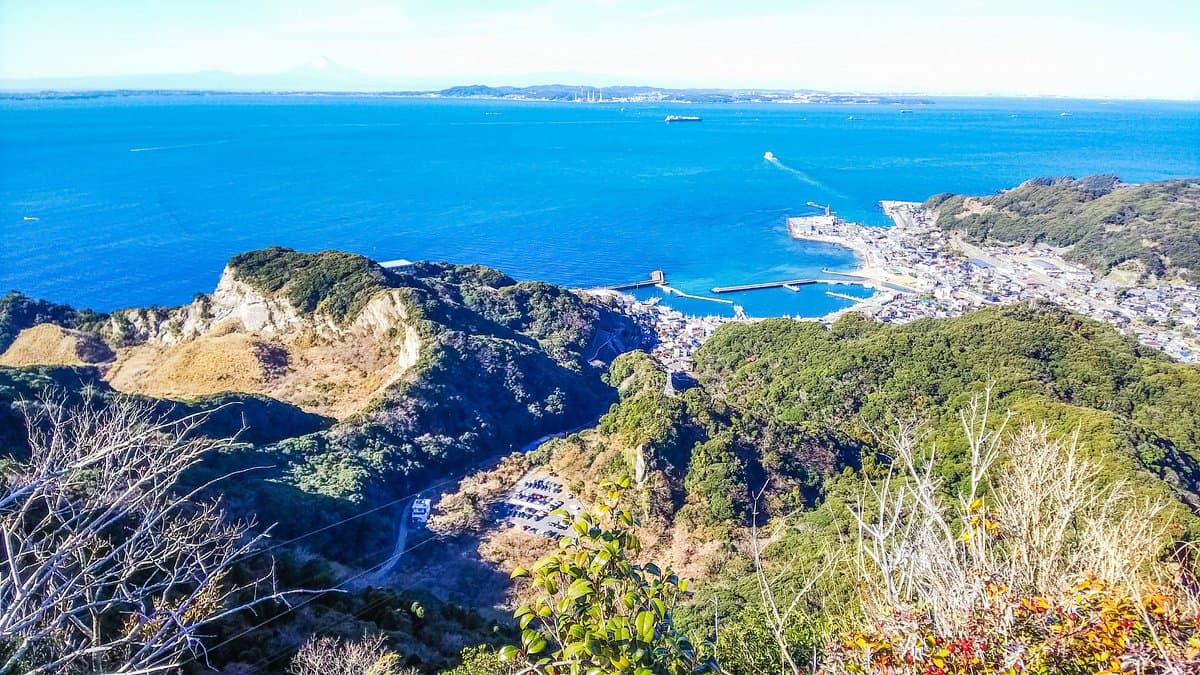
Visitors consistently praise the breathtaking panoramic views, particularly from the 'Glimpse into Hell' (Jigoku-Nozoki) overlook, which provides a thrilling perspective over Tokyo Bay. The sheer scale of the Great Buddha and the multitude of rakan statues, many still bearing the marks of anti-Buddhist campaigns, are frequently highlighted as profoundly moving experiences. Reviewers often recommend allocating ample time to explore both the temple grounds and the quarry sites, noting the unique atmosphere and the sense of history embedded in the stone.
To fully appreciate Mount Nokogiri, visitors should plan for at least 3-4 hours, or even a full day if combining hiking with the ropeway. Comfortable walking shoes are essential, as the trails can be steep and uneven, with many steps. Bringing water and snacks is advisable, especially if hiking, as facilities can be limited on certain paths. While the ropeway offers quick access to the summit, many recommend hiking at least part of the way to experience the old cart paths and quarry sites firsthand. The best time to visit is during clear weather for optimal views, and early mornings can help avoid crowds, particularly at popular viewpoints.
Mount Nokogiri is easily accessible. The most common approach is via Hama-Kanaya Station on the JR Uchibo Line. From the station, it's a short walk to the ropeway station, which takes visitors directly to the mountaintop. Alternatively, several hiking trails start near the station, offering a more immersive experience through the historical quarry paths. For those driving, parking is available near the ropeway station and at the base of some hiking trails. Public transport is generally reliable, and the journey from Tokyo typically involves a train ride to Hama-Kanaya.
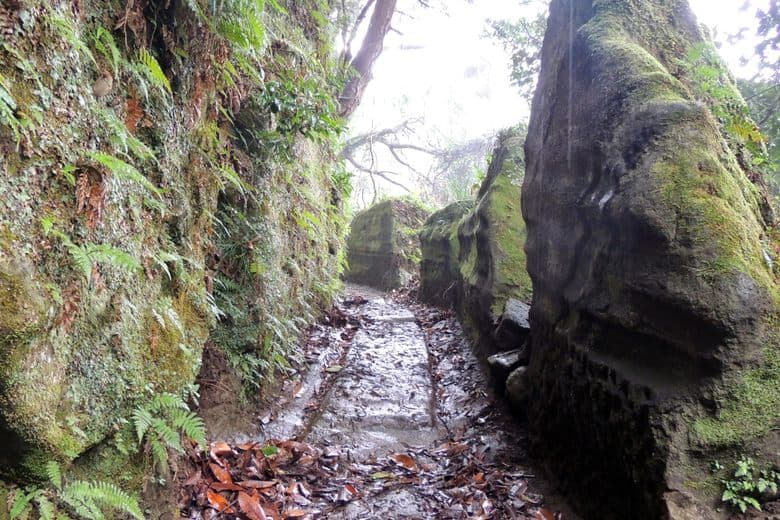
A common complaint among visitors is the sheer number of steps and the physical exertion required, even when using the ropeway, as there are still many stairs to navigate within the temple grounds. To mitigate this, visitors should wear appropriate footwear, take frequent breaks, and consider their fitness level. Some reviewers also note that the trails can be slippery, especially after rain, so caution is advised. During warmer months, insects like wasps and mosquitoes can be present, so insect repellent is recommended.