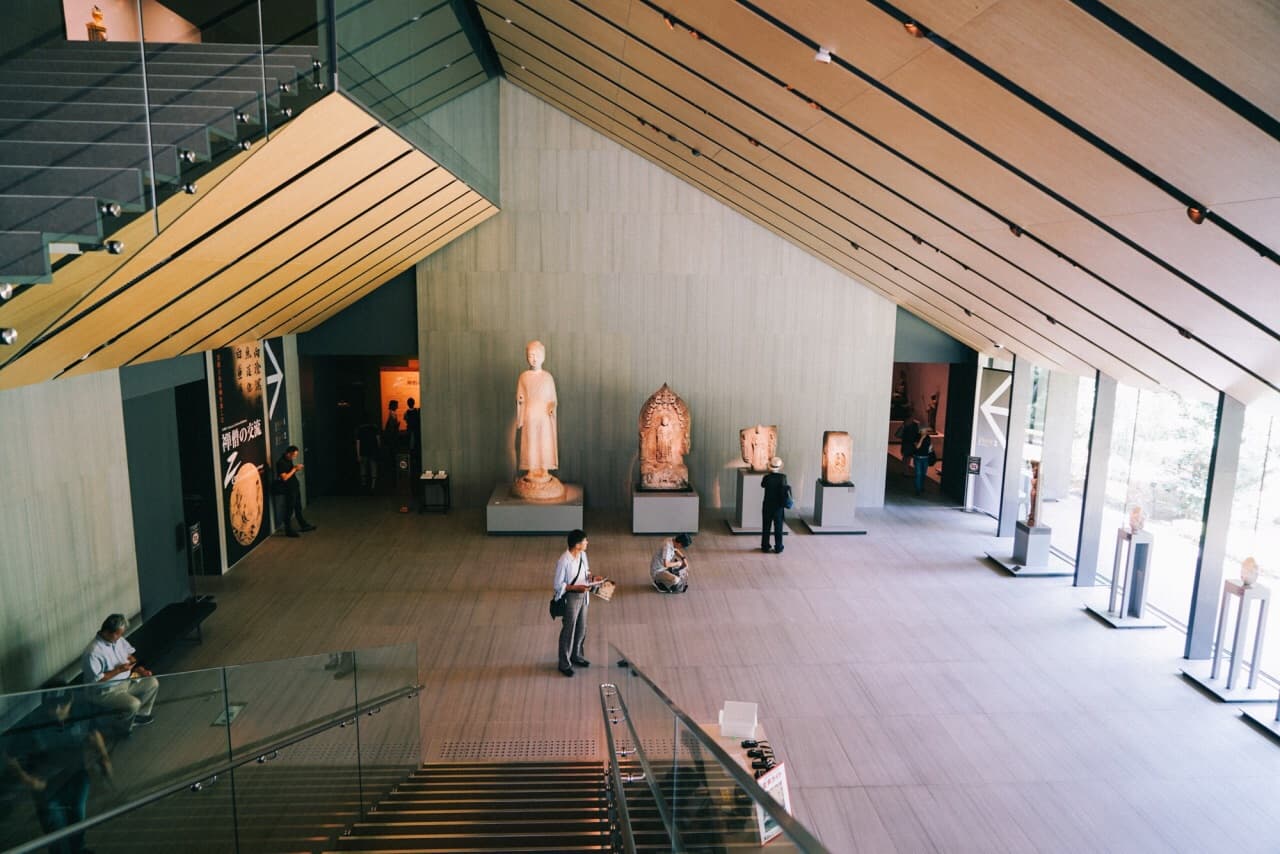
The Nezu Museum is a private art museum in Tokyo, renowned for its extensive collection of pre-modern Japanese and East Asian art, including Buddhist artifacts, tea ceremony utensils, calligraphy, and paintings. Housed in a building designed by the acclaimed architect Kengo Kuma, the museum itself is considered a work of art. It stands as a testament to the cultural legacy of its founder, industrialist Kaichirō Nezu, offering a deep dive into centuries of artistic tradition.
Visitors consistently highlight the museum's tranquil Japanese garden as its most captivating feature, often describing it as an 'oasis' or 'hidden gem' amidst the bustling city. Many reviewers suggest spending more time in the garden than inside the museum, praising its peaceful pathways, diverse flora, stone sculptures, and tea houses. The museum's architecture, particularly the bamboo-lined entrance, also receives frequent commendation for its modern yet traditional design. While the art collection is generally well-regarded for its quality and curation, some visitors note that the exhibits are not extensive, with temporary exhibitions changing frequently. English explanations are available for most pieces, which is a significant plus for international visitors.
To make the most of your visit, allocate at least 2-3 hours, with a significant portion dedicated to exploring the garden. Reviewers recommend visiting in the morning to avoid crowds and fully enjoy the serenity. If you plan to see a specific masterpiece, such as Korin Ogata's "Irises" screen, it is crucial to check the museum's exhibition schedule beforehand, as these famous pieces are often displayed only for limited periods. The on-site cafe, Nezucafe, overlooking the garden, is a popular spot for a relaxing break, though service can sometimes be slow, and it can get crowded. Consider having lunch at nearby restaurants in the fashionable Aoyama/Omotesando area if you prefer faster service or more variety.
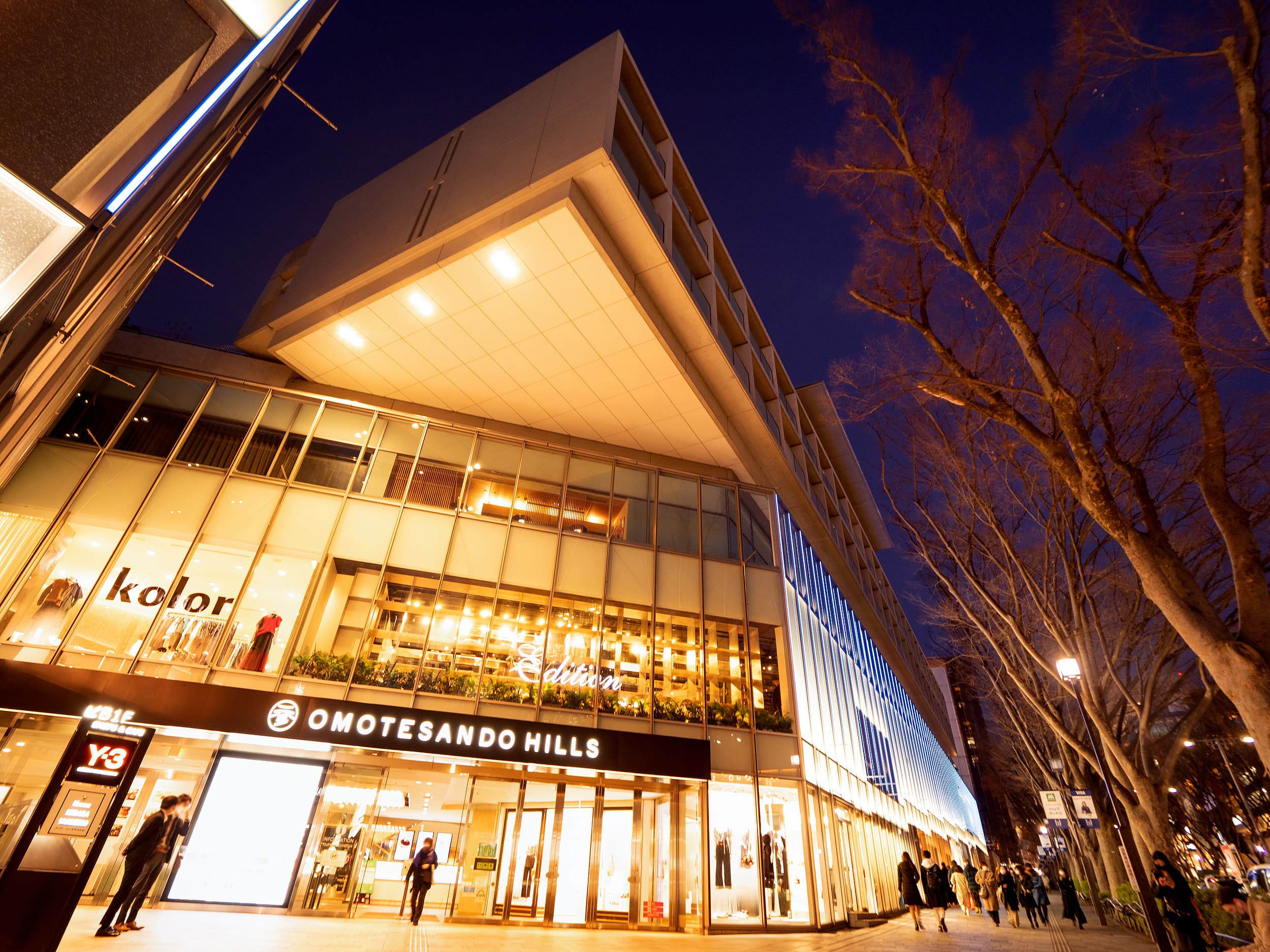
The Nezu Museum is conveniently located a short walk from Omote-Sando subway station. From Omote-Sando Station (served by the Ginza, Hanzomon, and Chiyoda lines), it's approximately a 7-10 minute walk. Many visitors enjoy the walk through the upscale neighborhood, noting the impressive architecture of surrounding shops like Prada. Clear directions from the station are generally available. While driving is an option, public transport is highly recommended due to Tokyo's efficient subway system and potential parking difficulties.
A common complaint among some visitors is the relatively small size of the art collection and the limited context provided for some exhibits. Additionally, the most famous pieces are not always on display, leading to disappointment for those who haven't checked the schedule. To mitigate this, manage your expectations regarding the museum's size and prioritize the garden experience. Embrace the museum as a place for quiet contemplation rather than an exhaustive art history lesson. Be aware that the museum is closed on Mondays, and some reviewers have reported issues with slow service at the cafe.