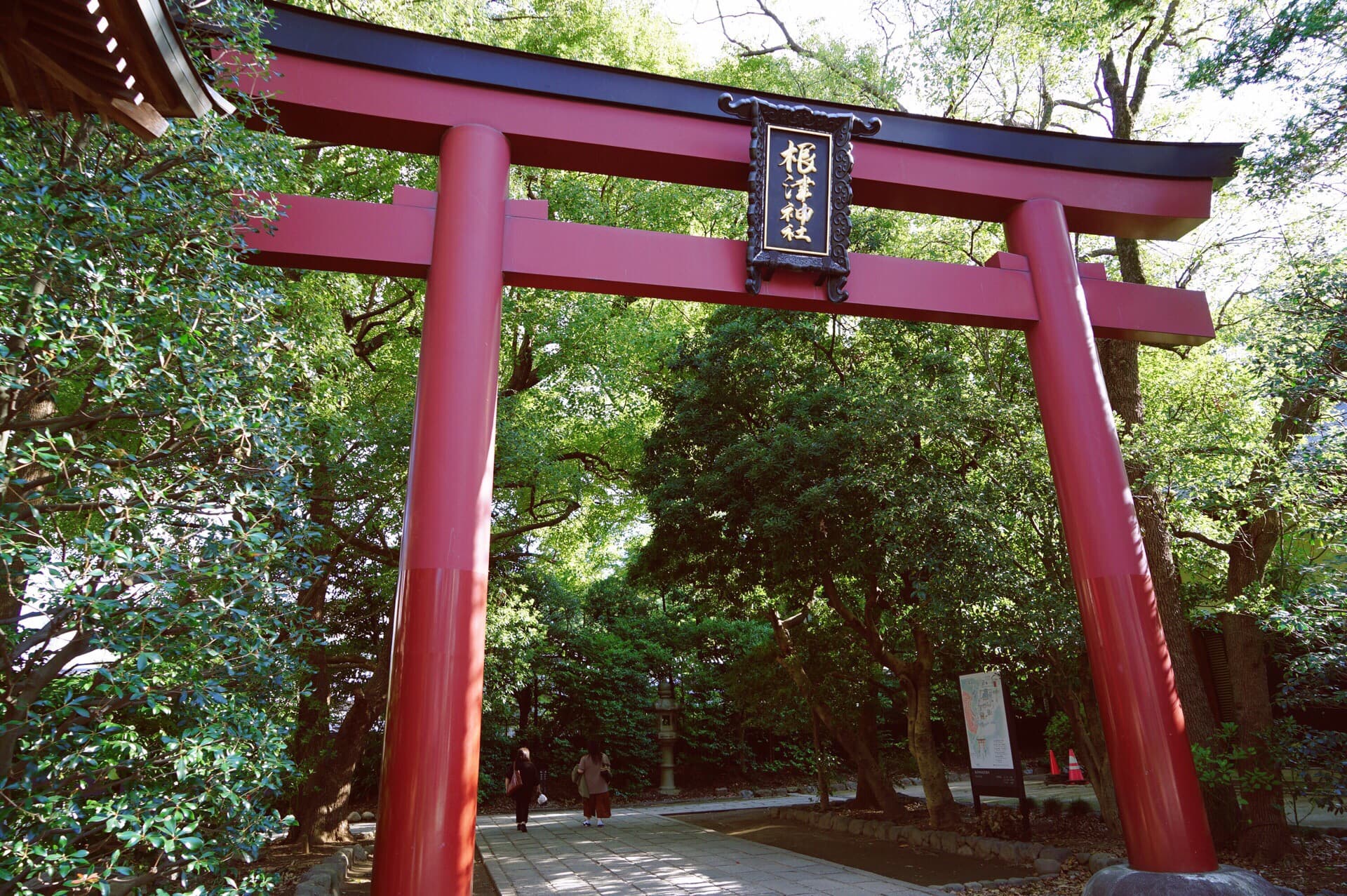
Nezu Shrine is one of Tokyo's oldest and most atmospheric Shinto sanctuaries, with a history spanning over 1900 years. Its Edo-period architecture, including the main hall and Romon gate, is well-preserved and exudes a sense of timelessness. The shrine is particularly significant for its tranquil setting amidst a bustling metropolis and its unique tunnel of vermilion torii gates, often compared to a miniature Fushimi Inari Taisha.
Visitors consistently praise the shrine for its peaceful and uncrowded atmosphere, especially when compared to more famous Tokyo temples like Sensoji. Many highlight the beauty of the vermilion torii gates, which offer excellent photo opportunities, and the serene koi ponds and turtle-filled waters. The azalea gardens are a major draw, with numerous reviewers recommending a visit during late April to early May when the 3,000 azalea bushes of 100 varieties are in full bloom for the annual Azalea Festival (Tsutsuji Matsuri). Even outside of azalea season, the shrine's greenery, traditional buildings, and quiet pathways are appreciated for their calming effect.
To make the most of your visit, aim for early mornings, as several reviewers note the shrine is exceptionally quiet before 9 AM, allowing for peaceful exploration and unobstructed photos. While the main shrine grounds are free, the azalea garden typically has a small entrance fee (around ¥300) during the festival. Allocate 1 to 1.5 hours to fully explore the shrine, including the torii gate tunnel, main hall, and gardens. Consider combining your visit with nearby attractions like Yanaka Ginza, Ueno Park, or the old Iwasaki Residence Garden, as suggested by visitors.
Nezu Shrine is easily accessible by public transport. The nearest subway stations are Nezu Station (Chiyoda Line), Sendagi Station (Chiyoda Line), and Todaimae Station (Namboku Line). From Nezu Station, it's a short walk, often described as 5-10 minutes. Some visitors also mention walking from Ueno Park, which is a bit longer but manageable. While driving is an option, public transport is generally recommended for convenience in Tokyo. Parking is available, as noted by some, but may be limited, especially during festivals.
A common complaint, particularly from those visiting outside of spring, is that the azalea garden may be closed or less spectacular when the flowers are not in bloom. To mitigate this, check the blooming schedule if the azaleas are your primary interest. Even without the flowers, the shrine's architecture and torii gates offer a beautiful experience, but managing expectations regarding the garden's appearance is advisable.