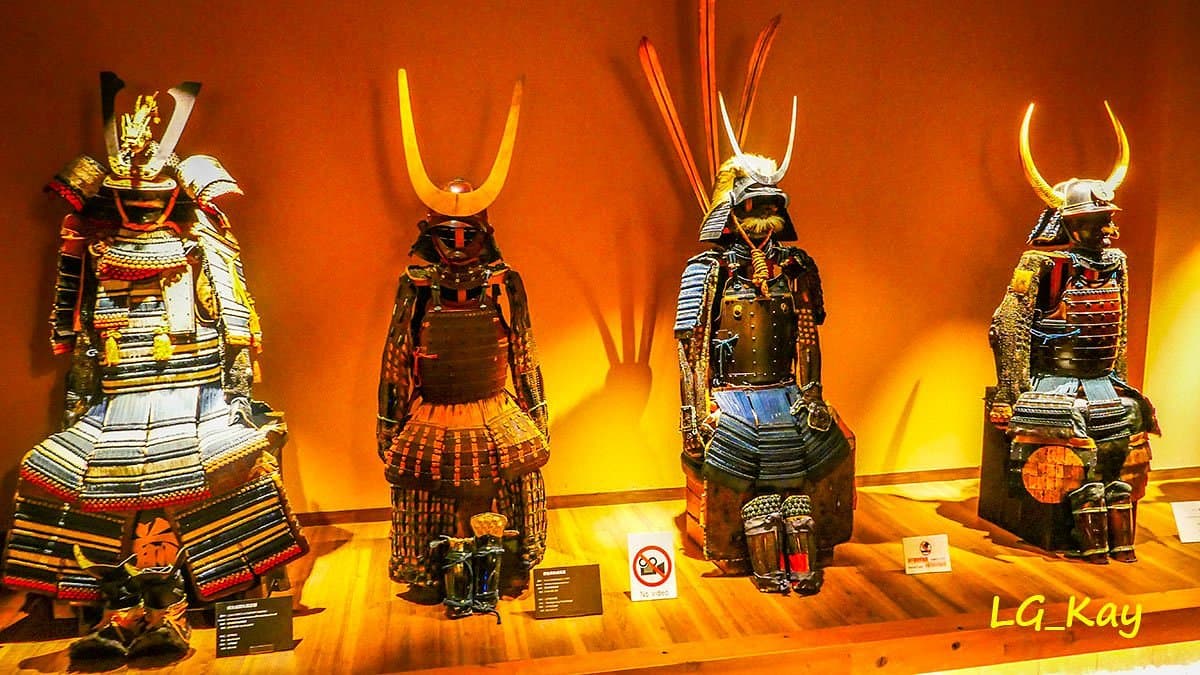
The Samurai Museum, nestled in the bustling Shinjuku district, serves as a dedicated showcase for the legendary Japanese warriors. It features an impressive collection of samurai armor sets, including those of renowned historical figures, alongside various weapons and artifacts from the Muromachi, Edo, and Kamakura periods. While the museum itself is relatively small, its curated exhibits and focus on historical detail provide a comprehensive overview of samurai culture.
Visitors consistently highlight the guided tours as the museum's greatest strength. Reviewers frequently praise the guides for their extensive knowledge, excellent English, and engaging presentation style, often noting how they bring history to life with humor and passion. The interactive elements, such as the live sword fighting demonstrations and the opportunity to try on replica samurai armor for photos, are also highly popular, adding a memorable and fun dimension to the visit. Many appreciate the intimate setting, which allows for close-up viewing of the exhibits and ample opportunity to ask questions.
To make the most of your visit, plan to spend approximately 1.5 to 2 hours, which typically includes the guided tour and the live demonstration. It is highly recommended to join a guided tour, as many exhibits have minimal written information, and the guides provide crucial context and insights. While the museum is open until late, arriving earlier in the day might offer a less crowded experience. Consider checking the schedule for live performances in advance, as these are a highlight for many. Although some visitors note the museum's small size, the depth of information provided by the guides compensates for this.
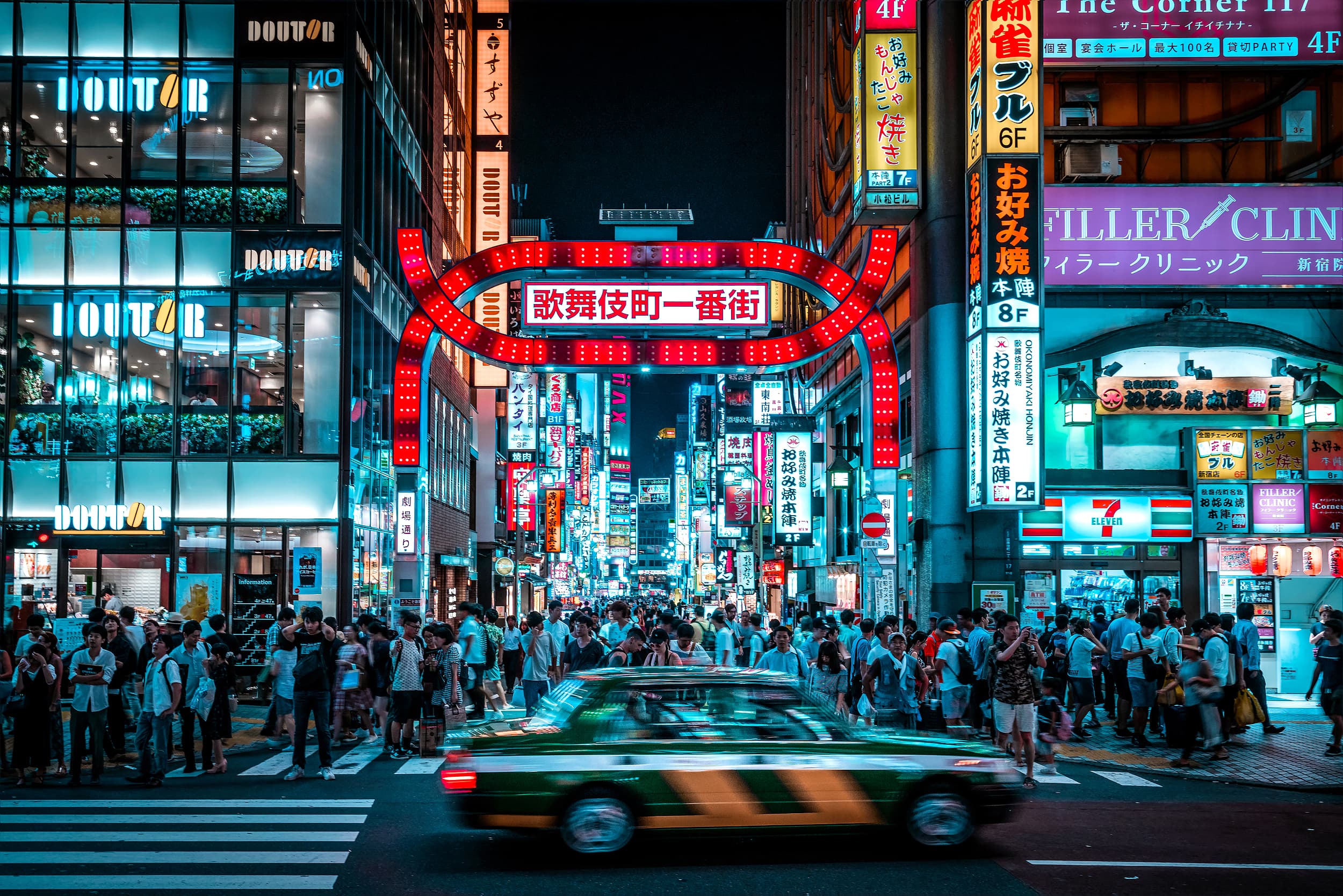
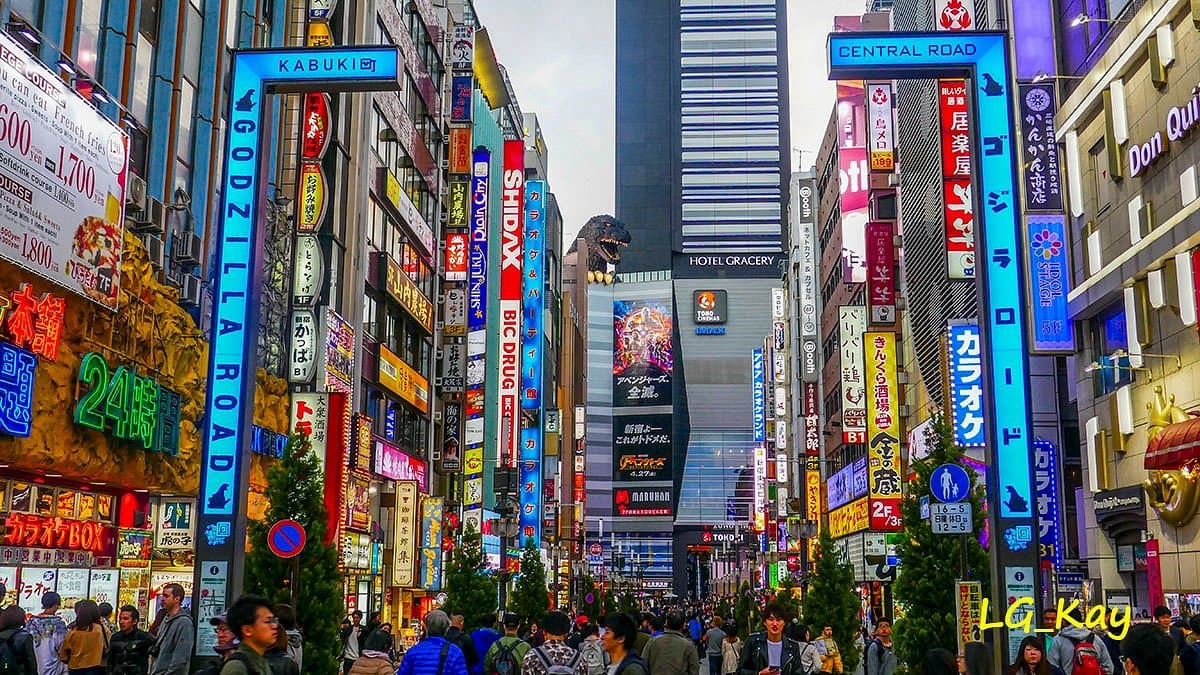
The Samurai Museum is conveniently located in Shinjuku, approximately a ten-minute walk from Shinjuku Station. Shinjuku Station is a major transportation hub, accessible via numerous JR lines (Yamanote Line, Chuo Line, Saikyo Line, Shonan-Shinjuku Line) and several subway lines (Marunouchi Line, Shinjuku Line, Oedo Line). Upon exiting the station, follow signs towards Kabukicho; the museum is situated in the Eiwa Dairoku Bldg 1F. Public transport is the most practical way to reach the museum, as parking in the area can be challenging and expensive.
A common complaint among some visitors is the museum's relatively high entry fee given its small size. However, many find the value in the quality of the guided tour and the unique interactive experiences. To mitigate this, consider looking for discount coupons, which some reviewers mention are occasionally available. Another point raised is that the museum is primarily geared towards foreign tourists, with fewer local visitors, which might contribute to a 'tourist trap' perception for some. However, the overwhelmingly positive reviews from international visitors suggest that it successfully caters to its target audience.