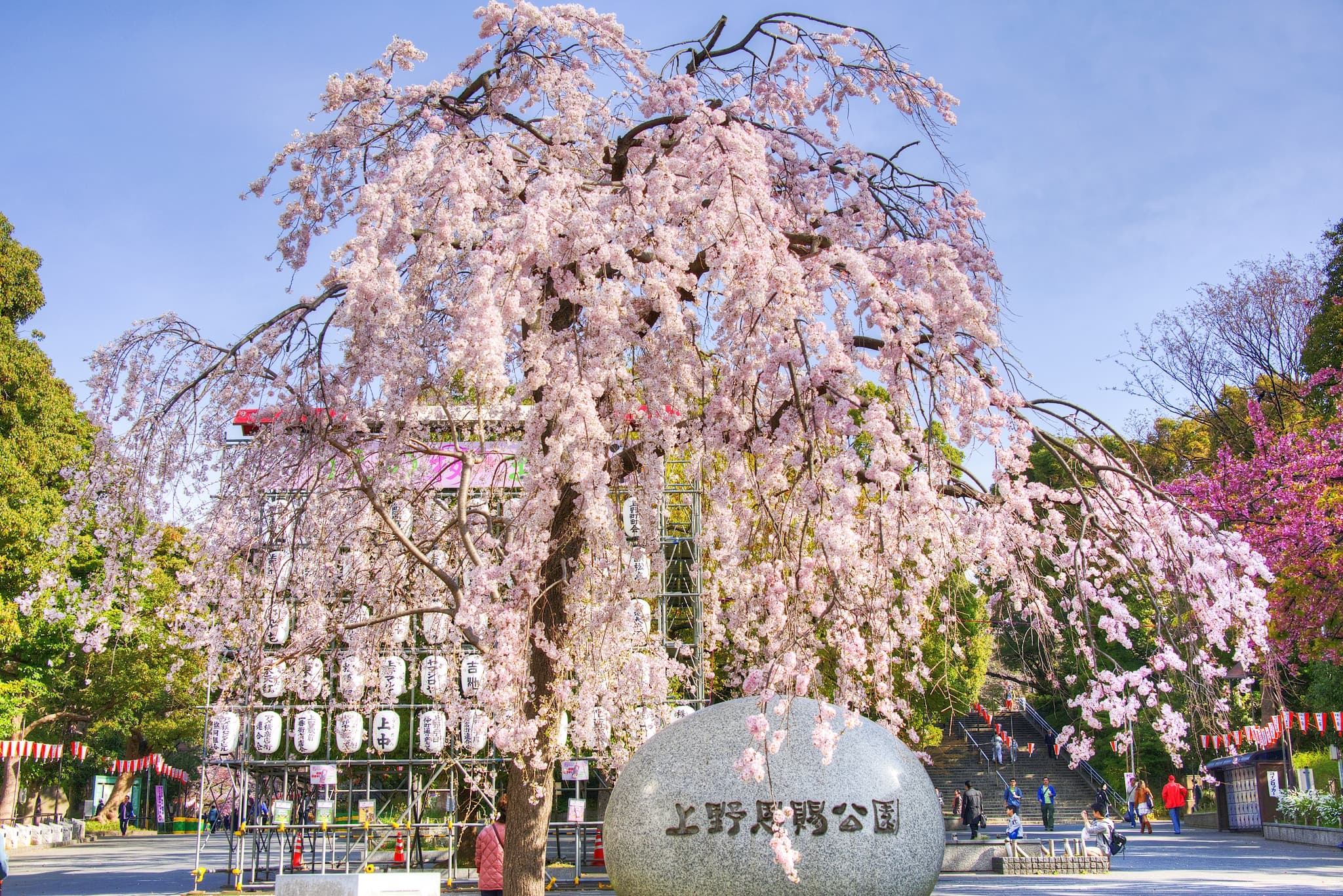
The Suribachiyama Tumulus, also known as the "Old Tomb on Mount Suribachi," is an ancient keyhole-shaped burial mound dating back approximately 1,500 years to Japan's Kofun period. It represents a significant archaeological site, even if its exact contents remain largely a mystery due to historical damage and the absence of official excavations. Its presence within Ueno Park offers a tangible link to Tokyo's deep historical roots, predating many of the more modern attractions.
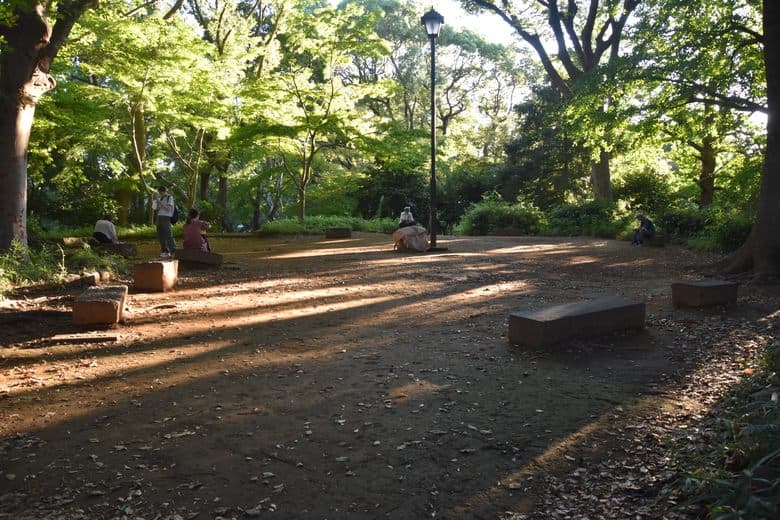
Visitors often describe the tumulus as unassuming, easily mistaken for a natural hill, especially without the context provided by its historical marker. Those who take the time to read the sign appreciate the unexpected glimpse into ancient history amidst the park's more prominent museums and temples. Reviewers suggest that its charm lies in its subtlety and the contrast it provides to the surrounding urban environment, offering a moment of quiet reflection on the past.
To fully appreciate the tumulus, visitors should allocate only a few minutes, primarily to locate the historical marker and read its description. It's best visited as part of a broader exploration of Ueno Park, perhaps on the way to the zoo or one of the museums. There's no specific equipment needed, but comfortable walking shoes are advisable for navigating the park. There are simple benches on top, offering a brief resting spot.
The Suribachiyama Tumulus is located within Ueno Park, which is highly accessible by public transport. The nearest major station is Ueno Station, served by multiple JR lines (Yamanote, Keihin-Tohoku, Utsunomiya, Takasaki, Joban) and Tokyo Metro lines (Ginza, Hibiya). From Ueno Station, the park entrance is a short walk, typically 5-10 minutes. Once inside the park, the tumulus is situated along paths leading towards the zoo and museums, and can be found by looking for its historical marker. Driving is generally not recommended due to limited and expensive parking in central Tokyo, and the excellent public transport network.
The most common "complaint" or observation is that the tumulus is so inconspicuous that many visitors walk past it without realizing its significance. To mitigate this, actively look for the historical marker and be aware of its location within the park, rather than expecting a grand, obvious monument.