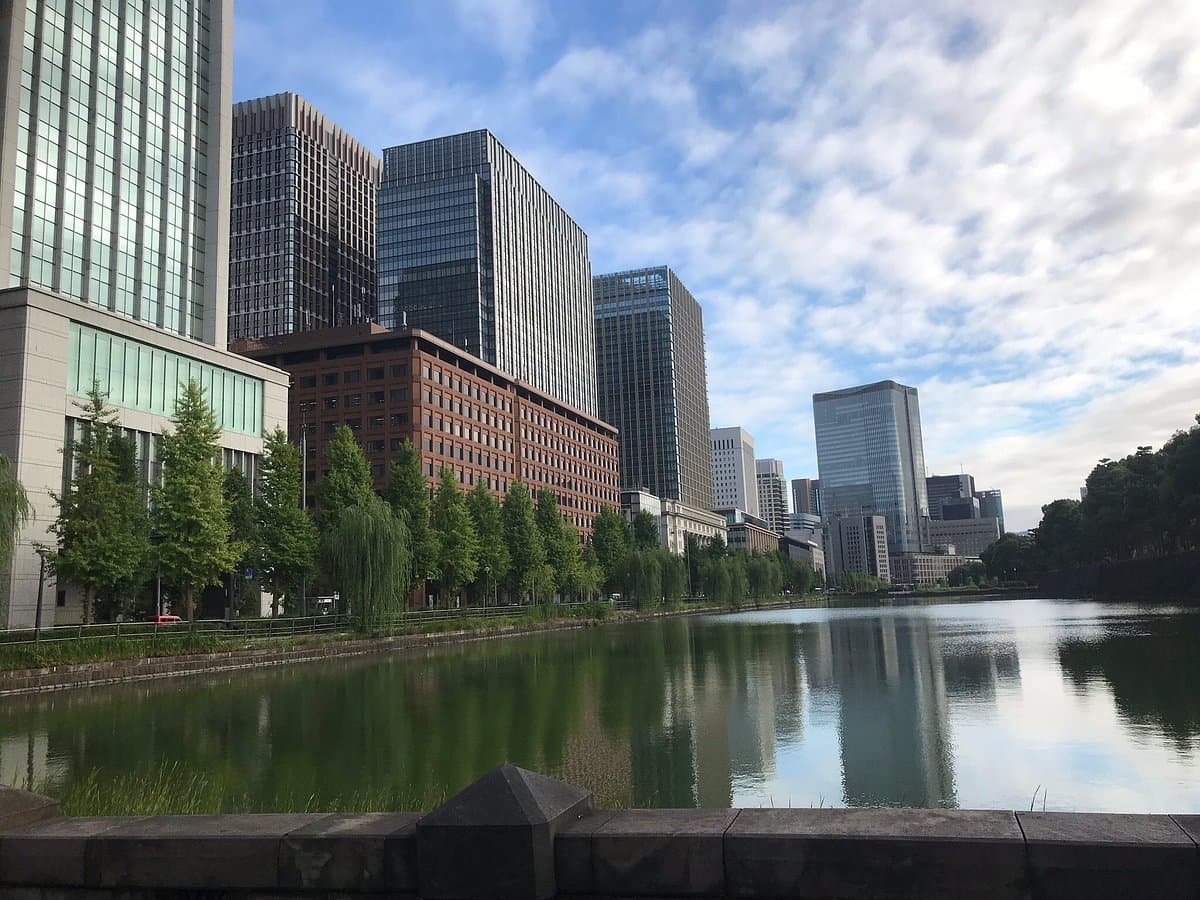
The Tama River, forming a natural boundary between Tokyo and Yokohama, is a significant waterway that provides a green corridor through the dense urban landscape. While not a traditional tourist landmark, it serves as a vital recreational area for locals and offers a unique perspective on Tokyo's natural side, contrasting sharply with its high-rise districts.
Visitors consistently praise the river for its extensive paths, which are ideal for cycling, running, and walking. Many reviewers highlight the opportunity to enjoy nature within an urban setting, with some suggesting it's a perfect spot for a picnic, especially around sunset when a cool breeze can be enjoyed. The path on the Tokyo side, particularly downstream, is noted for its length, stretching 50 km from Hamura to Tokyo Bay near Haneda Airport, making it suitable for long-distance activities.
For those planning a visit, consider bringing your own bicycle or renting one, as cycling is a highly recommended activity. Allow at least 2-3 hours to fully enjoy a walk or a moderate bike ride along the river. Packing a picnic is a popular suggestion for a relaxing experience, particularly in the late afternoon or early evening to catch the sunset. Restrooms and parks are available along the river, providing convenient spots for breaks.
The Tama River is accessible via various public transport options depending on your starting point along its extensive length. Many local train lines have stations within walking distance of the riverbanks. For example, stations on the Tokyu Toyoko Line or JR Nambu Line can provide access to different sections. Check a local map for the nearest station to your desired activity area. Parking can be limited in some areas, so public transport is generally recommended.
A common observation is that the river itself is not exceptionally scenic or 'beautiful' in a dramatic sense; it's described as a 'plain ole river.' Those expecting grand vistas might be underwhelmed. To mitigate this, focus on the recreational opportunities and the peaceful atmosphere rather than purely aesthetic appeal. Embrace it as a place for active relaxation rather than a visual spectacle.