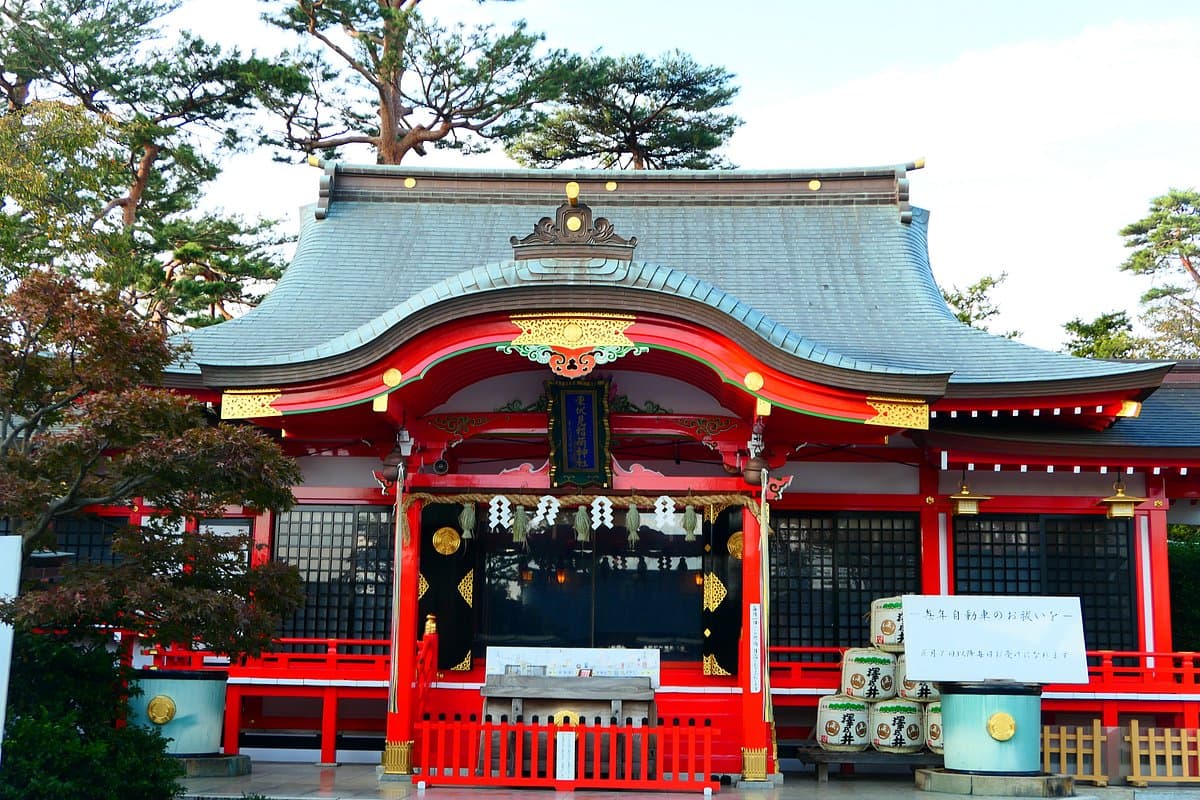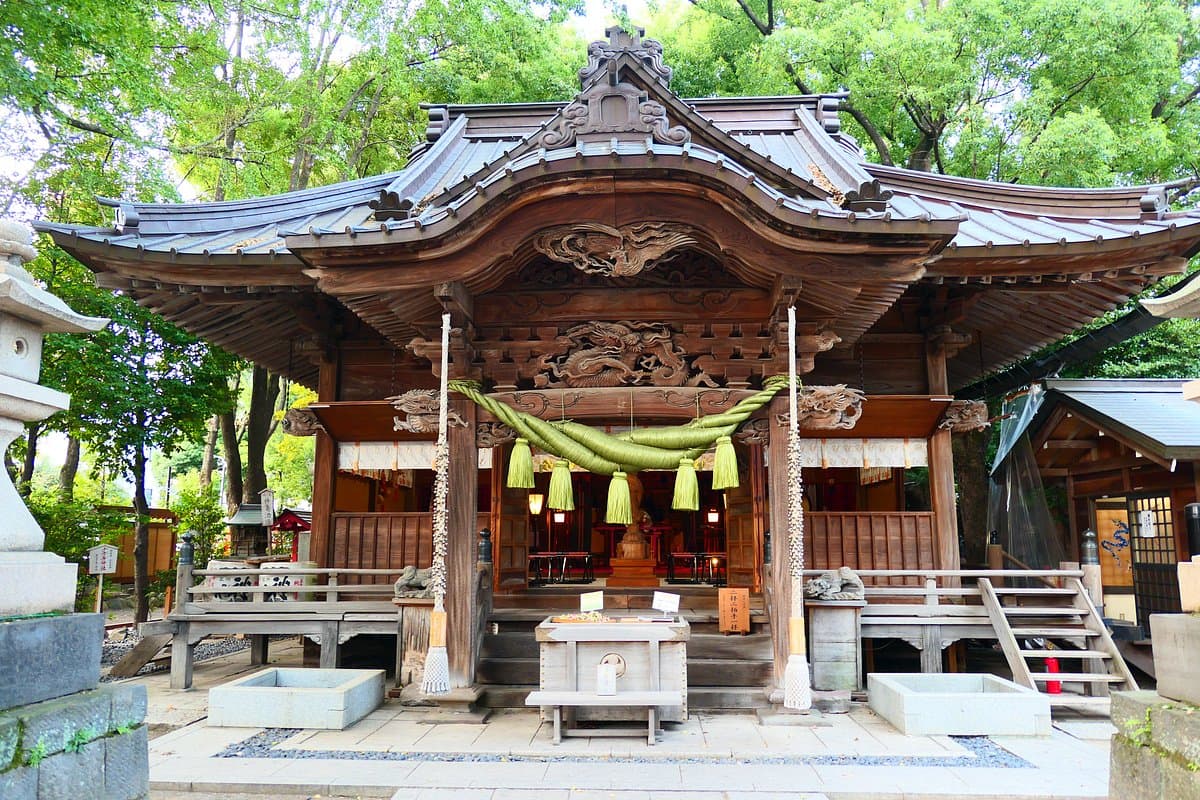
Tanashi Shrine is a Shinto shrine located in Nishitokyo, Tokyo, renowned for its spiritual connection to the 'Five Dragons' (Gold, Black, White, Red, and Blue), each representing different divine virtues and aligned with the Five Elements philosophy. It is considered a significant 'power spot' where visitors seek blessings and spiritual energy, particularly those interested in unique Japanese religious practices.
Visitors consistently praise the shrine's refreshing and tranquil atmosphere, even on busy days. Many are drawn to the numerous dragon statues and water-related features throughout the grounds, which are believed to embody the dragons' power. Reviewers often mention touching the sacred trees, which are said to be imbued with the dragons' spiritual energy, as a memorable experience. While the shrine can get crowded, especially on weekends and holidays, its relatively spacious grounds prevent it from feeling overly cramped.
To make the most of a visit, consider going on a weekday morning to avoid the largest crowds, though some reviewers note that even on rainy Saturdays, the atmosphere remains pleasant. Allocate about 1-2 hours to explore the grounds thoroughly, touch the sacred trees, and observe the various dragon representations. While there are water spots, visitors are reminded that these are not for drinking. The shrine offers a unique experience, and some families choose to have prayers performed for a fee, which can be a meaningful addition to their visit.
The shrine is conveniently located an 8-minute walk from Tanashi Station, which is accessible via the Seibu Shinjuku Line. For those driving, a free parking lot accommodating up to 40 cars is available, with guides often present to assist with parking. The surrounding area is primarily residential, so public transport is generally the most straightforward option for tourists.
A common observation is that the shrine can become very crowded on holidays, leading to queues for prayers and general visitation. To mitigate this, planning a visit during off-peak hours or weekdays is advisable. While the shrine is free to enter, visitors should be aware that specific services, such as prayers, incur a fee.