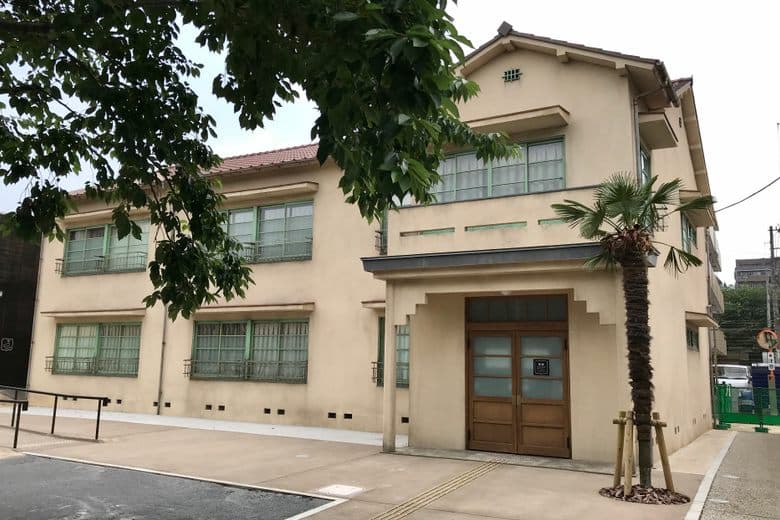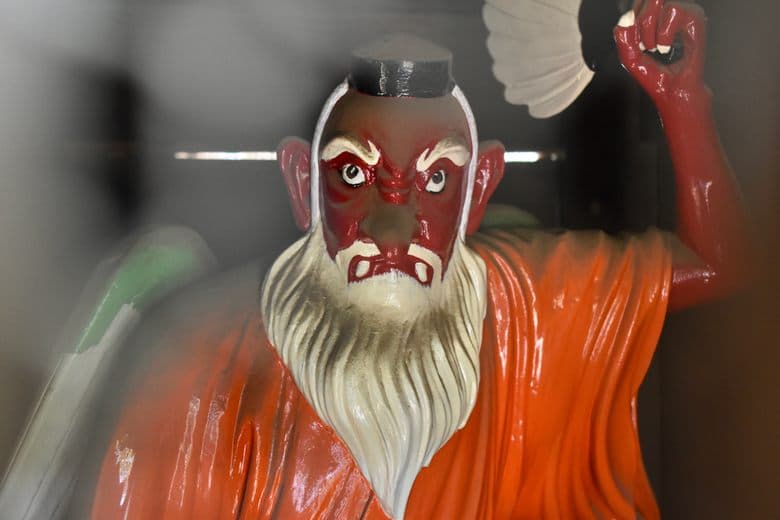
Tetsugakudo Park, also known as the Philosophy Park, is an exceptionally unusual public space in Tokyo's Nakano Ward. Founded by philosopher and occult expert Inoue Enryō, this park is a physical manifestation of his unique worldview, featuring 77 structures dedicated to an eclectic mix of philosophical ideas, esoteric teachings, and historical figures from Socrates to the Yellow Emperor. It stands as a testament to Inoue's intellectual curiosity and his pioneering work in demystifying folklore and paranormal phenomena.
Visitors consistently find the park to be a tranquil and thought-provoking escape from the bustling city. Many appreciate the opportunity to wander through its paths, discovering the various monuments and contemplating the diverse philosophical concepts they represent. The park's serene atmosphere, combined with its intellectual depth, makes it a rewarding experience for those seeking something beyond typical tourist attractions. Reviewers often highlight the unique blend of Japanese and Western philosophical traditions, noting the unexpected presence of figures like Kant alongside Buddhist and Shinto elements.
To fully appreciate Tetsugakudo Park, visitors should allocate at least 1 to 2 hours for exploration. Comfortable walking shoes are recommended, as the park involves some walking between structures. There are no specific items to bring, but a curious mind and an openness to abstract concepts will enhance the experience. The park is generally less crowded, making it a good option for a peaceful visit at any time of day, though mornings offer the quietest atmosphere. There are no entry fees, making it a budget-friendly option.
The park is accessible by public transport. The nearest train stations are Araiyakushi-mae Station (Seibu Shinjuku Line) or Higashi-Nakano Station (JR Chuo Line/Toei Oedo Line). From either station, the park is about a 15-20 minute walk. While driving is an option, public parking in the immediate vicinity might be limited, so using public transport is generally more convenient for tourists.
Some visitors might find the park's abstract nature and lack of extensive English explanations challenging. To mitigate this, it's advisable to research Inoue Enryō and the park's concept beforehand to better understand the significance of the various structures. While the park is generally well-maintained, some older structures might show signs of age, which some reviewers note as adding to its historical charm rather than detracting from it.