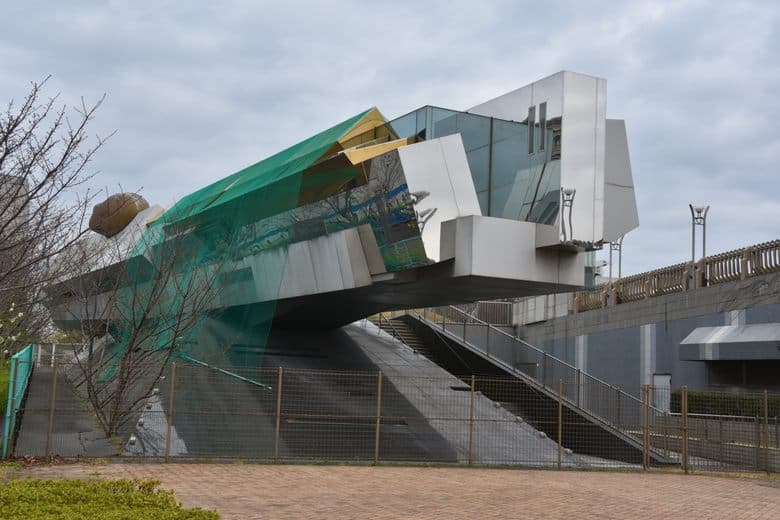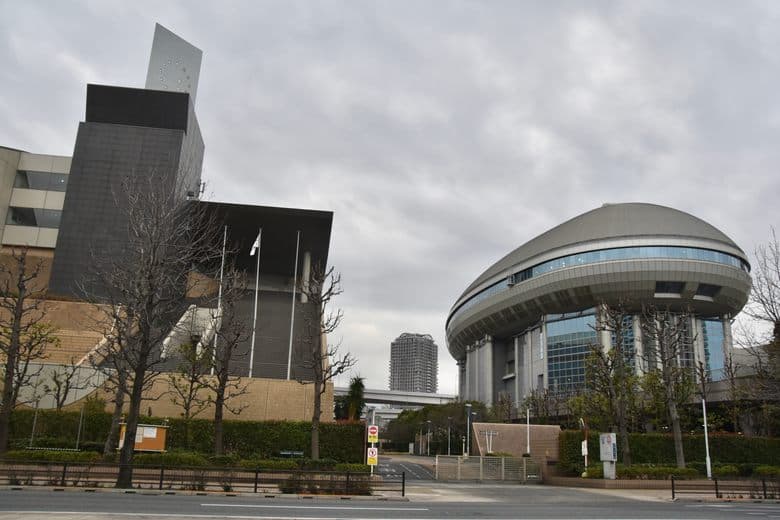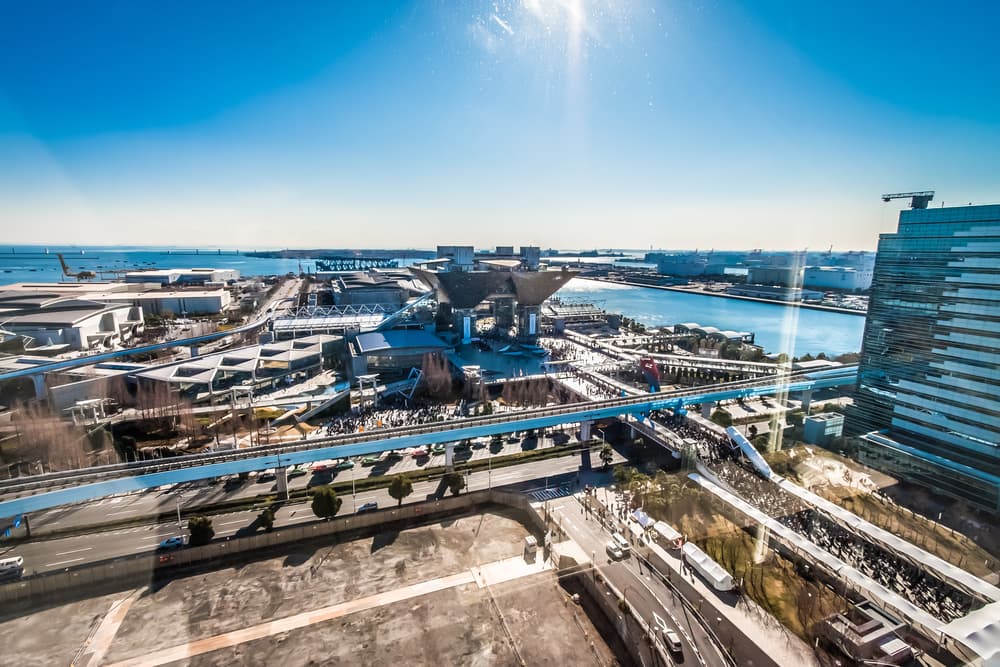
Tokyo Big Sight, officially known as the Tokyo International Exhibition Center, is Japan's largest convention and exhibition center. Opened in 1996, its striking, futuristic architecture, particularly the iconic inverted pyramids of the Conference Tower, makes it a notable landmark in the Odaiba bay area. While it's not a typical tourist attraction, its significance lies in hosting a vast array of events, from international trade shows to popular cultural conventions like Comiket, drawing millions of visitors annually.
Visitors consistently praise the sheer size and modern facilities of Tokyo Big Sight. Many note its well-designed layout, with clear signage and detailed brochures available in multiple languages, which is particularly helpful for international attendees and first-time visitors. The convenience of having numerous cafes and restaurants within the center is also frequently mentioned, making it easy to grab lunch or a snack during long events. The center's ability to accommodate massive crowds, especially during popular events like Comiket, is a recurring theme in positive feedback.
For those planning a visit, it's crucial to check the event schedule beforehand, as the experience is entirely dependent on what's being hosted. If you're attending a major event, be prepared for significant crowds; arriving early can help navigate the venue more comfortably. While the architecture itself is impressive, general tourists might find little to do unless a specific exhibition piques their interest. Many visitors recommend allocating 1-2 hours if you're just exploring the architecture or a small exhibition, but a full day or more if you're attending a large convention. Bringing comfortable shoes is highly advisable due to the extensive walking involved within the vast complex.
Tokyo Big Sight is conveniently accessible by public transport. The nearest stations are Tokyo Big Sight Station on the Yurikamome Line and Kokusai-Tenjijo Station on the Rinkai Line. Reviewers often highlight the ease of reaching the venue directly from Shimbashi Station via the Yurikamome Line or from other major hubs via the Rinkai Line. While some older reviews mention complicated transfers, more recent feedback emphasizes the directness of these routes. The monorail (Yurikamome) offers scenic views of the bay area on the approach. For those driving, underground parking is available, though public transport is generally recommended during large events due to potential traffic and full parking lots.
A common complaint, particularly during peak events, is the overwhelming crowd size and the potential for long walks from the station to specific halls. To mitigate this, consider arriving well before the event starts, utilizing all available entrances, and familiarizing yourself with the venue map in advance. Some visitors also note that while the architecture is unique, the center itself is primarily functional, so expectations for a 'sightseeing' experience should be tempered unless a specific event is the draw.