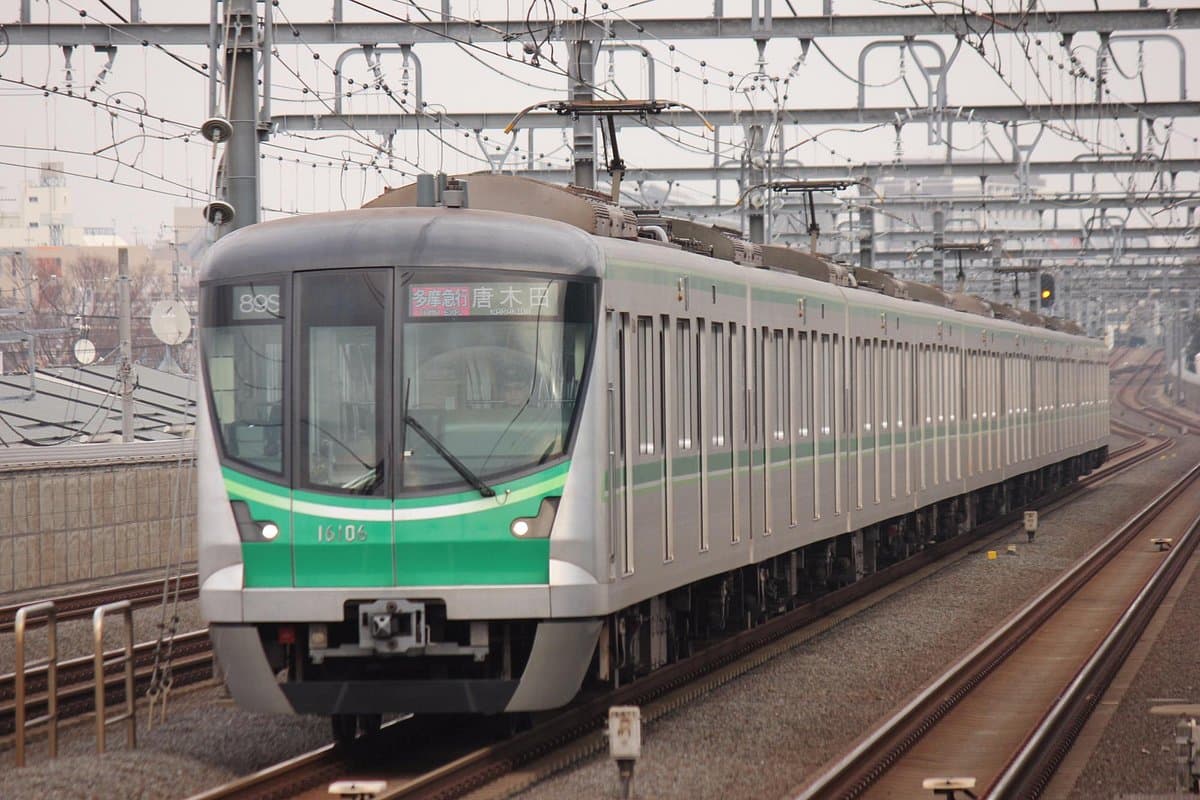
The Tokyo Metro is not just a transportation system; it's an integral part of the Tokyo experience, connecting virtually every corner of this sprawling metropolis. As one of the world's busiest and most advanced subway networks, it's celebrated for its incredible efficiency, punctuality, and cleanliness, setting a global standard for urban transit.
Visitors consistently praise the metro for its ease of use despite its daunting map. Many highlight the clear English signage, color-coded lines, and numbered stations as key aids. The punctuality of trains is a recurring theme, with many noting that trains arrive precisely on schedule. The cleanliness of the stations and trains, along with the orderly and respectful behavior of passengers, also receives high commendation. Several reviewers emphasize the convenience of IC cards like Suica or Pasmo, which simplify fare payment and can even be used for purchases at convenience stores and vending machines. The availability of multi-day passes (24, 48, or 72 hours) is frequently mentioned as a cost-effective option for tourists planning extensive travel.
To make the most of your metro experience, consider purchasing an IC card (Suica or Pasmo) upon arrival; these can be topped up with cash at machines. Alternatively, multi-day passes offer excellent value if you plan frequent travel. Download a reliable navigation app like Google Maps or the official Tokyo Metro app, as these are invaluable for planning routes, identifying lines, and finding the correct exits. Allocate at least 1-2 hours for your initial journeys to familiarize yourself with the system, especially when navigating larger stations like Shibuya, which can be confusing due to multiple exits and interconnected shopping areas. Avoid rush hours (roughly 7:30-9:30 AM and 5:00-7:00 PM) if possible, as trains can become extremely crowded. Always carry cash for ticket machines, as many do not accept credit cards.
The Tokyo Metro network is extensive, with stations located throughout the city. Most major tourist attractions are within a short walk of a metro station. For example, the Ginza line connects key areas like Ginza, Shibuya, and Asakusa. The Yamanote Line, operated by JR, is also a crucial circular route that intersects with many metro lines. While driving is generally not recommended due to traffic and parking difficulties, the metro provides unparalleled access. Look for station entrances marked with the Tokyo Metro logo (a stylized 'M') or the Toei Subway logo (a ginkgo leaf). Many stations have multiple exits, so pay attention to exit numbers to emerge closest to your destination.
A common complaint among first-time users is the initial complexity of the network, especially distinguishing between Tokyo Metro, Toei Subway, and JR lines, which are operated by different companies and require separate tickets or compatible IC cards. Some visitors also note the lack of trash cans in stations and occasional difficulty finding elevators or escalators in older stations. To mitigate confusion, always confirm which line you need and ensure your pass or IC card is valid for that specific operator. For luggage, consider using luggage delivery services or coin lockers at stations, as navigating crowded trains with large bags can be challenging.