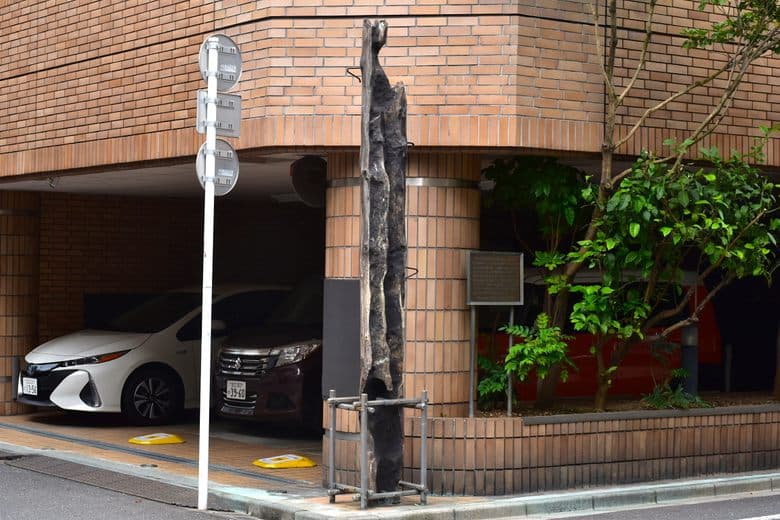
The War-Damaged Utility Pole Monument stands as a quiet, yet powerful, testament to the immense destruction wrought upon Tokyo during the incendiary bombing raids of World War II, particularly the devastating attack on March 10, 1945. While easily overlooked amidst the bustling city, this monument, accompanied by a plaque, commemorates the tragic loss of life and the city's enduring commitment to peace. It serves as a physical scar, reminding passersby of a pivotal moment in Tokyo's history and its subsequent rebuilding.
Visitors often note the monument's unassuming nature; it blends into the urban landscape, making it a discovery rather than a prominent landmark. Many are surprised to learn from the nearby plaque that the pole is not the original, but a meticulously crafted porcelain replica. The original, a genuine survivor of the bombings, is preserved and displayed at the Edo-Tokyo Museum in the Ryōgoku district. This distinction is a key takeaway for those seeking historical authenticity, as it highlights the monument's symbolic rather than literal connection to the event.
For those interested in visiting, the monument is best approached as a brief, reflective stop rather than a primary destination. There are no facilities or extensive exhibits, so a visit typically lasts only 10-15 minutes. It's advisable to combine this visit with other attractions in the Asakusa or Ryōgoku areas, perhaps on a day dedicated to exploring Tokyo's historical layers. There are no specific items to bring, but a camera might be useful for documenting this unique historical marker.
The monument is conveniently accessible via Tokyo's extensive public transport system. The closest station is Kuramae Station, which is approximately a five-minute walk away. Alternatively, it can be reached from Asakusa Station or Asakusabashi Station, both requiring a slightly longer walk of about 10 to 15 minutes. These stations are served by various subway lines, making it easy to integrate into a day of sightseeing without the need for driving or parking.
A common point of clarification for visitors is the replica status of the pole. To avoid disappointment, it's helpful to know beforehand that the monument is a porcelain recreation. Those seeking to see the actual war-damaged pole should plan a separate visit to the Edo-Tokyo Museum, where the original is housed. This understanding allows for a more informed and appreciative experience of both the monument and the museum exhibit.