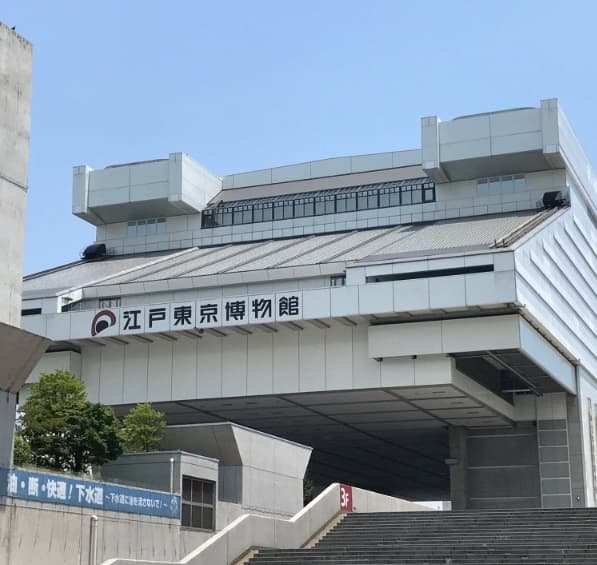
The Edo-Tokyo Museum serves as a vital repository of Tokyo's history and culture, tracing its evolution from the Edo period (1603-1868) to the present day. Housed in a distinctive building resembling an elevated-floor warehouse, the museum offers a comprehensive narrative through its vast collection of artifacts, models, and interactive displays. It is considered a crucial starting point for understanding the historical context of Tokyo and Japan.
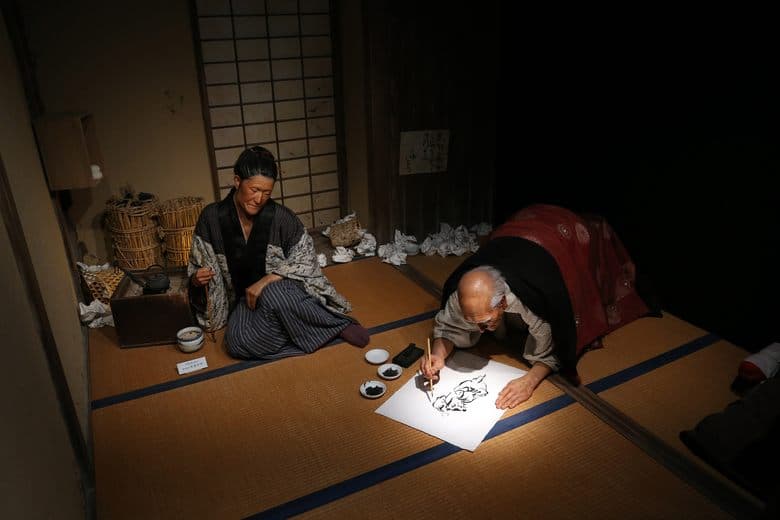
Visitors frequently commend the museum for its engaging and interactive approach to history. Many highlight the impressive life-sized replicas of Edo-period bridges, houses, and ships, as well as the incredibly detailed miniature dioramas depicting daily life. These hands-on elements, such as the ability to touch exhibits or sit in a palanquin, are particularly popular with families and make the historical information more accessible and memorable. Reviewers often note that the museum provides a deeper understanding of Japanese customs and the development of modern Tokyo, often surpassing expectations compared to other historical museums.
To maximize your visit, plan to spend at least 2-3 hours, though many visitors report easily spending half a day or more. Arriving early in the morning or on a weekday can help avoid crowds, especially during peak tourist seasons. Renting a free audio guide (available with a refundable ¥1000 deposit) is highly recommended by many, as it significantly enhances the experience by providing detailed explanations in multiple languages. Some visitors also praise the free volunteer English-speaking guides, who offer personalized tours and deeper insights. While there are cafes and a gift shop, it's advisable to bring your own water bottle, as drinking is restricted to designated areas. The museum is well-equipped with amenities like wheelchairs on loan and ample seating for resting.
The Edo-Tokyo Museum is conveniently located near Ryogoku Station. From Shinjuku Station, it takes approximately 35 minutes by JR train to Ryogoku Station, followed by a short walk of about 450 meters. The museum's unique architecture, including a covered escalator leading to the upper floors, makes it easily identifiable. For those driving, parking information should be checked in advance, though public transport is generally recommended for ease of access in Tokyo.
While generally well-received, some visitors find the museum's layout initially overwhelming or the English translations on some detailed information panels to be less comprehensive than desired. To mitigate this, utilizing the audio guide or a volunteer guide is crucial. A few older reviews mention the museum undergoing renovations; however, it has since reopened, and current reviews reflect a positive experience post-renovation. Some also note a perceived lack of coverage on specific historical events like WWII; visitors interested in these topics might need to seek out specialized museums.