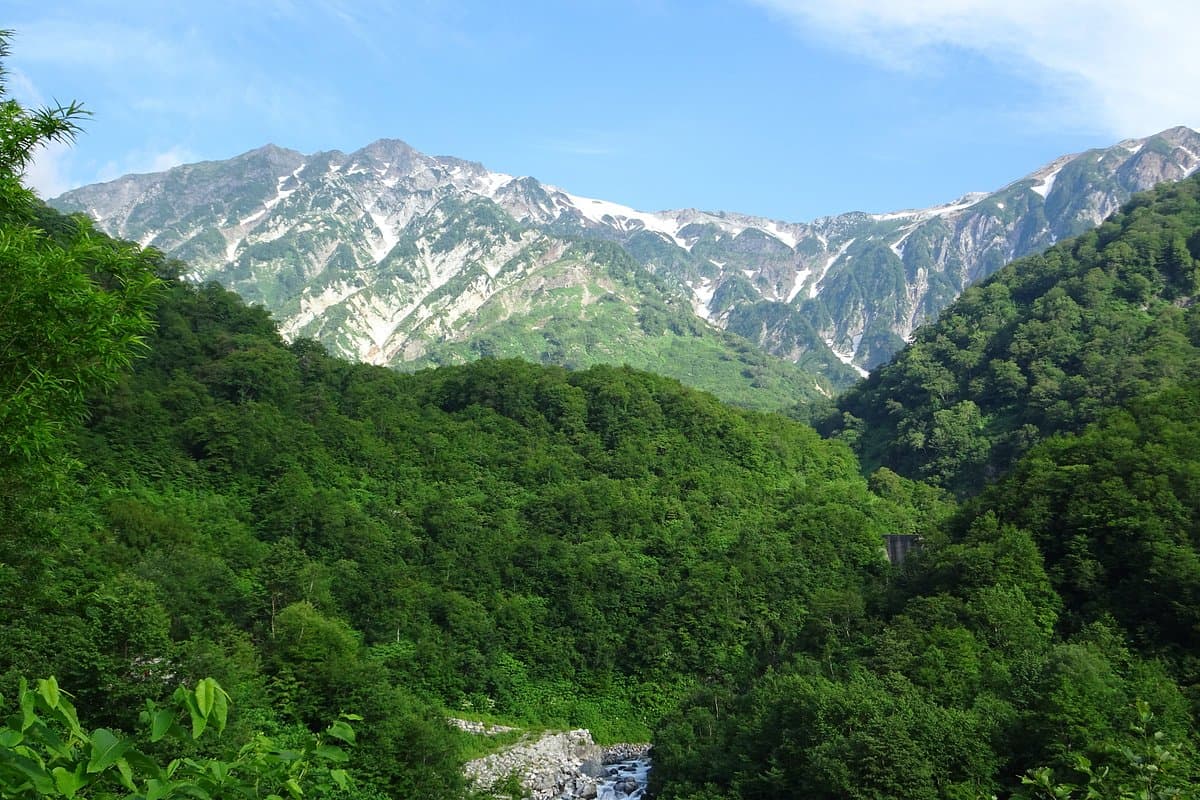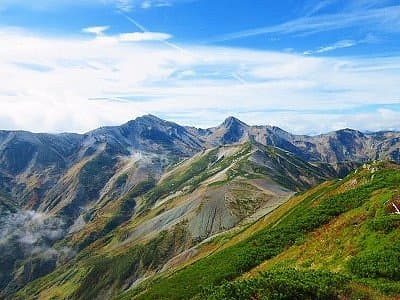
Mt. Shirouma, part of the Northern Japan Alps, stands as a prominent peak offering some of the most spectacular and challenging trekking opportunities in Japan. It's a significant destination for mountaineers and serious hikers, known for its dramatic landscapes, alpine flora, and the rewarding views from its summit ridge.
Visitors consistently highlight the stunning natural beauty and the sense of adventure. Reviewers frequently mention the 'challenging yet walkable' nature of the trails, with some sections requiring light climbing. The panoramic views, especially from the ridge above Hakuba-Oike, are a major draw, with some reporting views extending all the way to the Japan Sea on clear days. The presence of mountain huts just below the summit is also appreciated, providing essential rest stops for multi-day treks. However, several visitors warn about the need for proper gear, including crampons, even in early July, and the potential for large crowds during weekends and holidays.
For a successful hike, visitors strongly recommend bringing crampons, especially if hiking in early summer, as they are often a mandatory requirement. It's advisable to allocate at least 1-2 full days for the trek, with many opting for multi-day itineraries to fully experience the area and utilize the mountain huts. To avoid the 'huge crowds' mentioned by reviewers, consider visiting on weekdays or outside of major Japanese holidays. Always register your name at the guest list upon reaching trailheads like Sarukura.
Access to Mt. Shirouma typically involves reaching the Hakuba area first. From Hakuba, visitors can take a bus or a taxi to various trailheads. One reviewer noted that buses might not operate in early July, necessitating a taxi ride from Hakuba to Sarukura, which cost approximately ¥3000 one way. Another option mentioned is using a ropeway from Hakuba to shorten the initial ascent. Always check bus schedules and operating seasons in advance, as they can vary.
Common complaints revolve around the crowds during peak times and the occasional lack of public transport options in certain seasons. To mitigate these, plan your visit for off-peak days and confirm bus schedules well in advance. If buses are not running, be prepared for taxi fares, which can add to the cost of the trip.