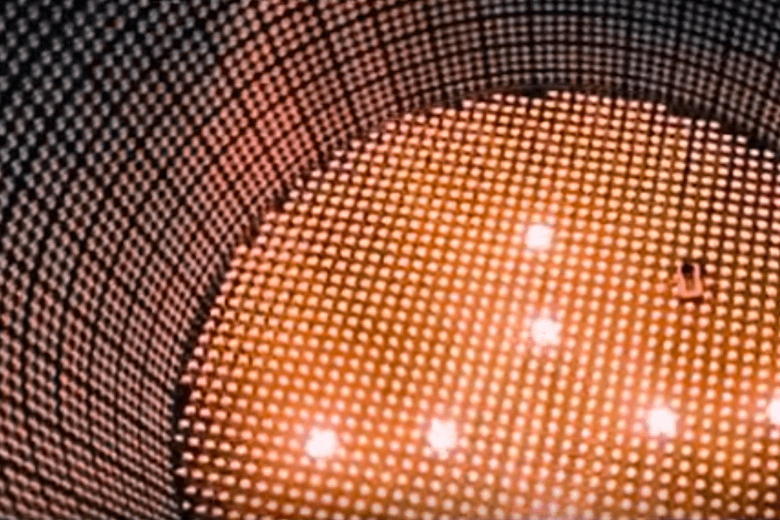
Super-Kamiokande is a world-renowned neutrino observatory, a massive scientific instrument buried 1,000 meters (3,281 feet) beneath Mount Kamiokakō near Hida, Japan. It plays a crucial role in particle physics, detecting elusive 'ghost particles' (neutrinos) that pass through the Earth. The facility is famous for its pioneering work, including the first detection of neutrinos from a supernova and critical measurements that resolved the solar neutrino problem, proving that neutrinos have mass.
Visitors consistently note that this is not a typical tourist destination. The primary feedback from those interested in the site is the strict access policy. It is explicitly stated that the lab is not open to the general public, and the impressive Super-K water tank, the heart of the detector, cannot be viewed by casual visitors. This means that for the vast majority of people, a visit to Super-Kamiokande is not possible.
For those who might be part of an educational or scientific group, applying for permission to visit is the only route. There are no practical tips for general tourists regarding what to bring, how long to spend, or best times, as access is so restricted. Any visit would be highly structured and guided by the facility's staff, focusing on the scientific aspects rather than a leisurely exploration.
Given its remote, underground location and the strict access policy, there is no public transport information available for tourists. Driving to the general vicinity of Mount Kamiokakō would likely be the only way to get close, but without prior official approval, access to the actual facility is impossible. There are no parking facilities or specific directions provided for public access.
The main 'complaint' or challenge for interested individuals is the complete lack of public access. There is no way to mitigate this for the general tourist; the facility is simply not designed for public visitation. Those with a keen interest in particle physics might find satisfaction in learning about its discoveries online or through documentaries, rather than attempting a physical visit.