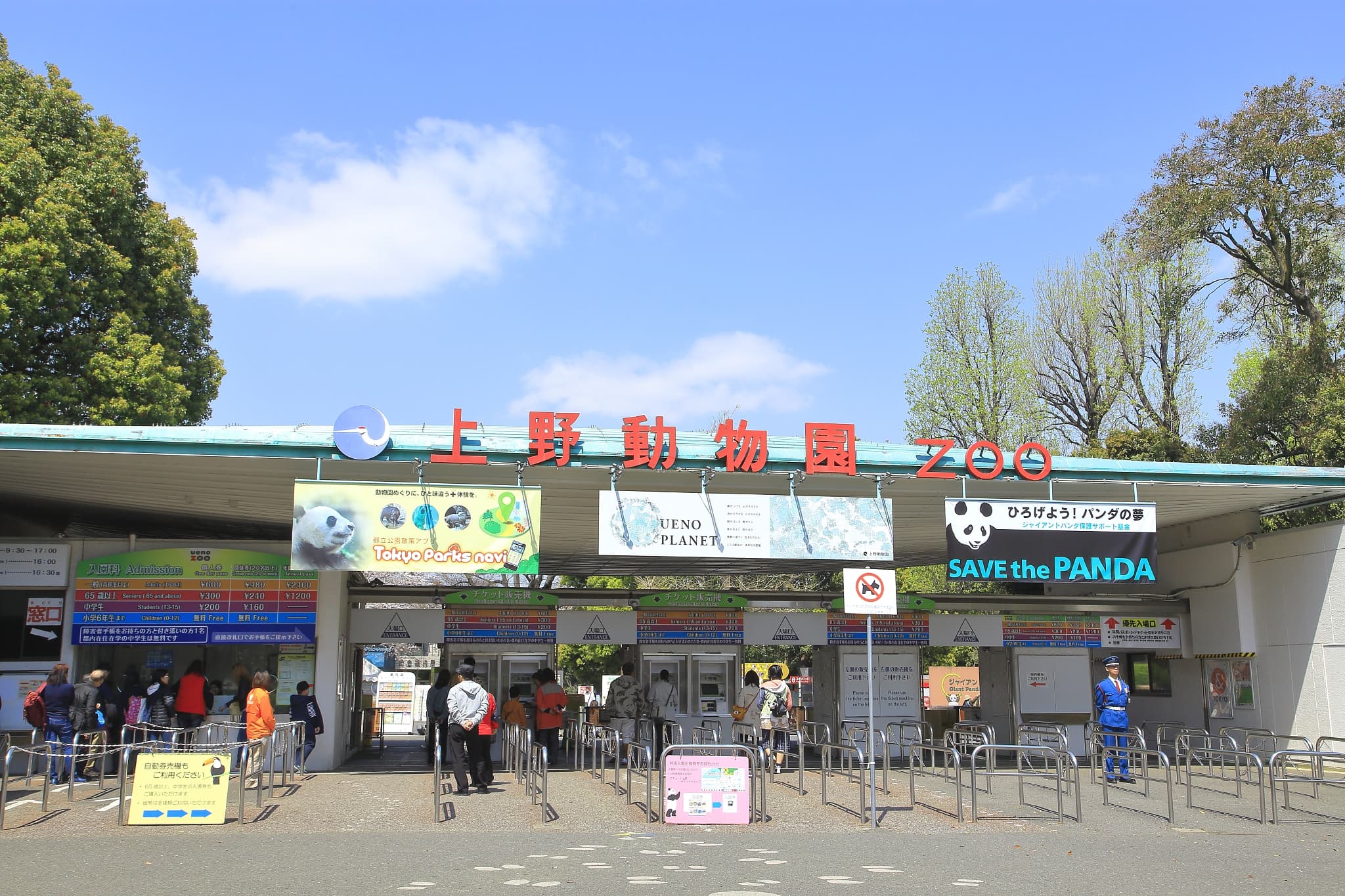
Ueno Zoological Gardens, established in 1882, holds the distinction of being Japan's oldest zoo and is a significant cultural and educational institution located within the sprawling Ueno Park. It plays a crucial role in animal conservation and scientific education, housing approximately 300 species and 3,000 animals across its 14.4-hectare expanse, divided into East and West sections.
Visitors consistently praise the zoo for its affordability and convenient location, making it an accessible option for families. The giant pandas are undoubtedly the star attraction, drawing long queues, and many visitors find the experience of seeing them up close to be a highlight. The zoo's cleanliness and the variety of animals, including rare species like shoebills and aye-ayes, are also frequently mentioned positive aspects. Some reviewers appreciate the well-maintained grounds and the overall family-friendly atmosphere, with amenities like souvenir shops and reasonably priced food options.
However, a recurring theme in visitor feedback concerns the size and condition of many animal enclosures. Numerous reviewers express sadness and discomfort over what they perceive as small, outdated, and sometimes barren concrete spaces, particularly for larger animals like bears, elephants, and big cats. This often leads to observations of animals exhibiting stress behaviors, such as pacing. Visitors recommend allocating 2-3 hours for a visit, though some spend up to 4-5 hours. To avoid the longest queues, especially for the pandas, arriving shortly after opening is advised. If the panda queue is excessively long, some visitors suggest skipping it, especially if they have seen pandas elsewhere, and focusing on other animals. Bringing your own water and snacks can be a money-saving tip, although the on-site food is considered reasonably priced.
The zoo is exceptionally well-connected by public transport. It is located just a few minutes' walk from Ueno Station, a major transportation hub served by multiple JR lines (Yamanote, Keihin-Tohoku, Utsunomiya, Takasaki, Joban) and Tokyo Metro lines (Ginza, Hibiya). The main entrance is easily accessible from Ueno Park. For those arriving by car, parking in the Ueno area can be challenging and expensive, so public transport is highly recommended.
The most common complaint revolves around animal welfare due to small enclosures. To mitigate this, visitors can focus on the newer exhibits or those with more naturalistic settings. If animal welfare is a primary concern, it might be worth researching specific exhibits beforehand or considering other zoos with more modern enclosure designs. Be prepared for crowds, especially on weekends and holidays, and understand that popular animals like pandas may require significant waiting times for a brief viewing.