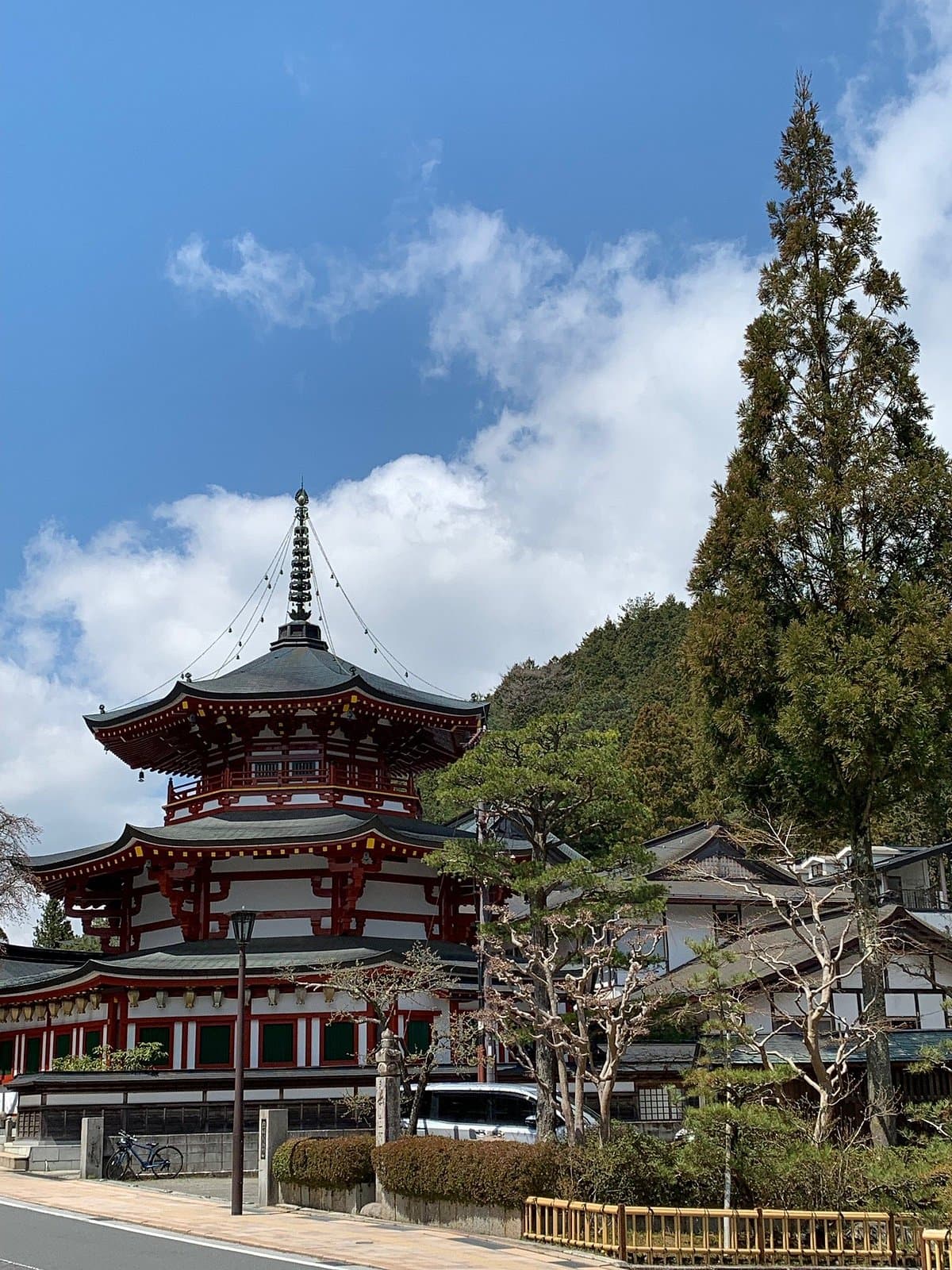
Koyasan, or Mount Koya, is not a single peak but a sacred mountain range in Wakayama Prefecture, recognized as a UNESCO World Heritage site. It is the spiritual heart of Shingon Buddhism, founded by Kobo Daishi (Kukai) in the 9th century. The area is home to over 100 temples, including the head temple Kongobuji and the atmospheric Okunoin cemetery, making it a profound destination for spiritual reflection and historical exploration.
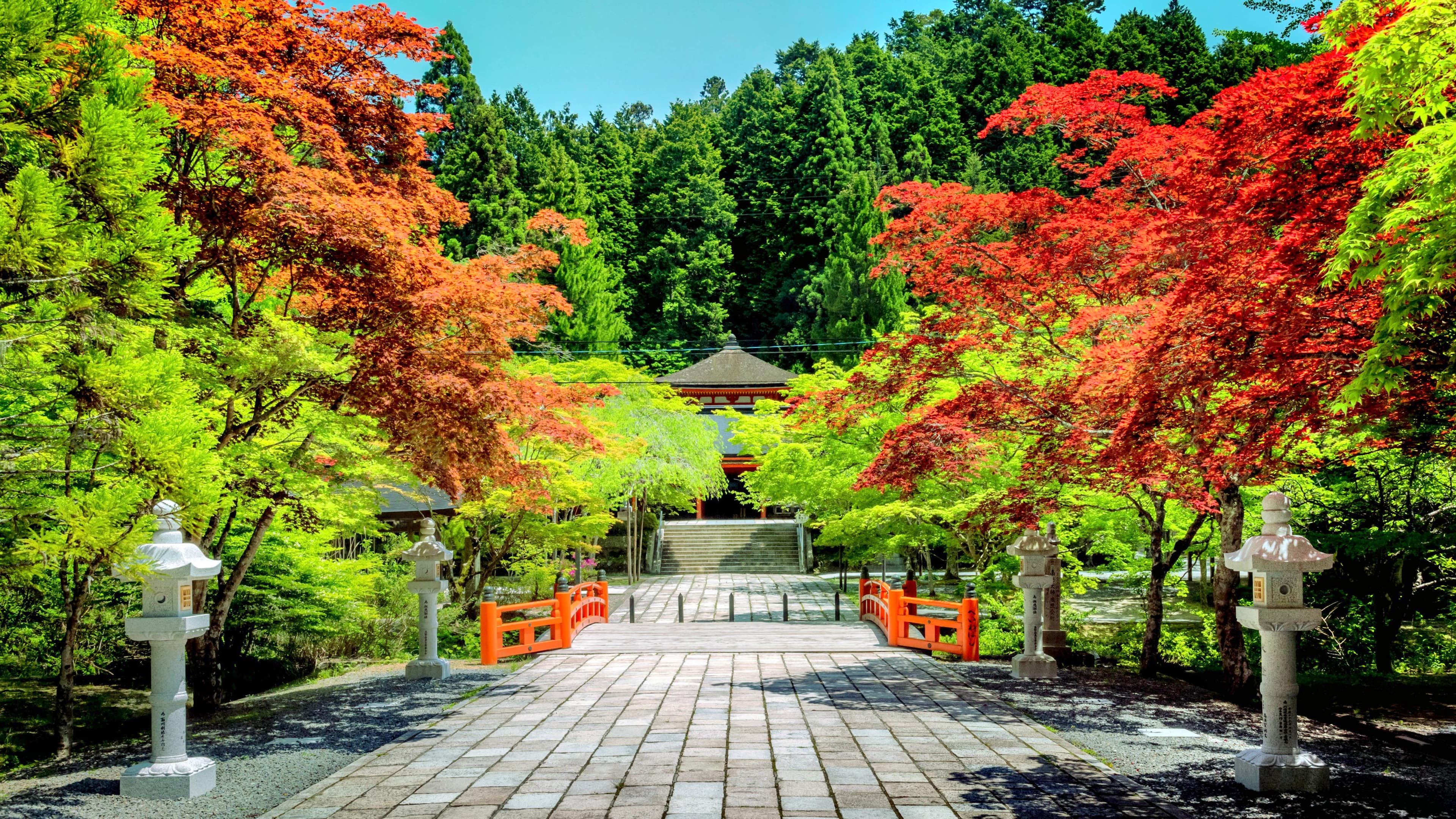
Visitors consistently praise Koyasan for its tranquil atmosphere and stunning natural beauty, especially during the autumn when the maple and ginkgo trees display vibrant colors. Many reviewers highlight the unique experience of staying overnight in a temple (shukubo), which often includes vegetarian meals (shojin ryori) and participation in morning prayers. The opportunity to witness ancient Japanese architecture and explore the vast, serene Okunoin cemetery, with its countless moss-covered tombstones of historical figures, is frequently mentioned as a highlight. The sense of peace and detachment from the bustling cities like Osaka and Kyoto is a recurring theme in positive feedback.
For a truly immersive experience, plan to spend at least one night in a temple lodging. Booking accommodation well in advance is crucial, as options are limited and can be expensive. While one day might feel short, and two days potentially too long for some, an overnight stay allows for exploration at a leisurely pace. Consider renting an audio guide to enhance your understanding of the historical and spiritual significance of the sites. Pack comfortable walking shoes, as you will be doing a lot of walking, especially through Okunoin. If visiting in autumn, be prepared for crowds, but the beauty is often described as worth it.
Koyasan is easily accessible by public transportation from Osaka. The most common route involves taking the Nankai Electric Railway from Namba Station to Gokurakubashi Station, followed by a scenic cable car ride up the mountain. From the cable car station, local buses operate frequently, connecting visitors to the main temple areas. Many visitors recommend purchasing a Koyasan World Heritage Ticket, which includes round-trip train and cable car fares, as well as unlimited bus travel on the mountain, offering significant savings. Driving is an option, but parking can be limited, and the winding mountain roads require careful navigation.
A common complaint among visitors is the limited and sometimes infrequent bus service on the mountain, especially outside peak hours. To mitigate this, consider walking between closer attractions or checking bus schedules in advance. Another point raised is the high cost of temple lodging; however, many find the unique cultural experience justifies the expense. Be aware that some temples may have strict rules regarding check-in times and participation in activities.