Sambuichi Yusui Museum preserves the legacy of an ingenious Edo-period water-distribution system commissioned by warlord Shingen Takeda. The centrepiece is a triangular stone dam placed in a waterway that divides spring water equally into three parts, a solution to fairly allocate clean, cold water among farming communities. This engineering feat reflects Takeda's attention to village welfare and agricultural productivity, making it a modest but historically significant site.
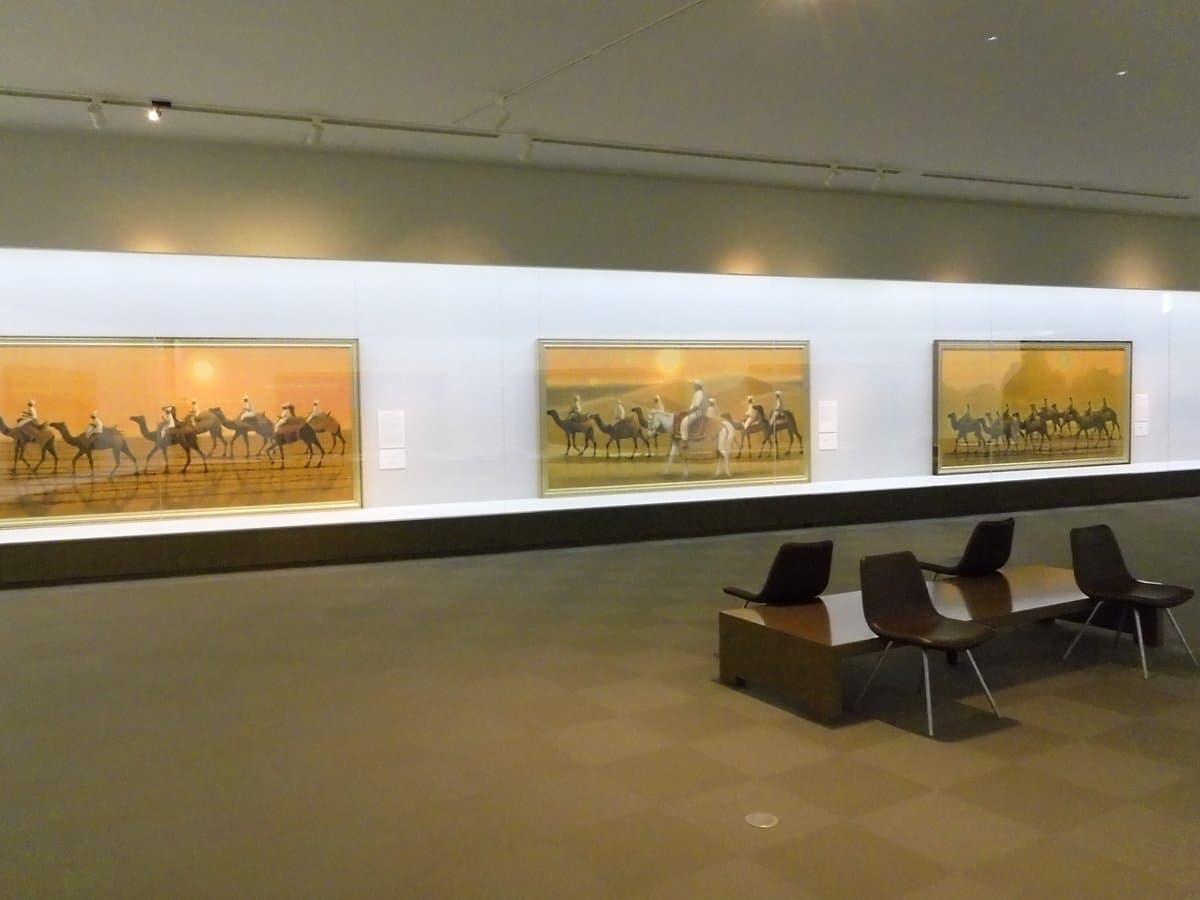
Visitors consistently note that the museum itself is small and contains limited exhibits, but the real value lies in understanding the practical engineering solution and its historical context. The site functions as a working facility with a soba restaurant serving noodles made from local ingredients, a farm produce shop, and an observation area on the third floor offering views of the surrounding area. Several reviewers appreciate the combination of cultural education and local food experience, though others caution that expectations should be modest—this is not a major museum but rather a community heritage site.
Plan to spend 1–1.5 hours at the site. Arrive mid-morning or early afternoon to avoid crowds and enjoy the soba restaurant without long waits. The museum is best visited as part of a broader exploration of Hokuto's rural heritage rather than as a standalone destination. Bring comfortable walking shoes, as the site involves some outdoor viewing of the water system. The soba restaurant is reasonably priced and offers a practical lunch option; consider eating here rather than seeking food elsewhere in the immediate area.
Sambuichi Yusui Museum is located in Hokuto, Yamanashi Prefecture, approximately 292-1 Nagasakacho Koarama. The site is close to major hotels in the area, making it convenient for guests staying nearby. Public transport options are limited; visitors with access to a car will find it most practical. From Hokuto Station, a taxi or rental car is recommended, as the museum is not within easy walking distance of the station. If using public transport, check local bus schedules in advance, as service may be infrequent. The site has basic parking available for visitors arriving by car.
Common complaints centre on the modest scale of the museum and limited indoor exhibits, particularly during inclement weather. To mitigate disappointment, visit with realistic expectations—focus on the outdoor water system and historical engineering rather than expecting extensive indoor displays. The soba restaurant and farm shop provide practical value and justify the visit as a cultural and culinary stop rather than a museum-only experience. Allow flexibility in your schedule to enjoy the site at a leisurely pace without rushing.