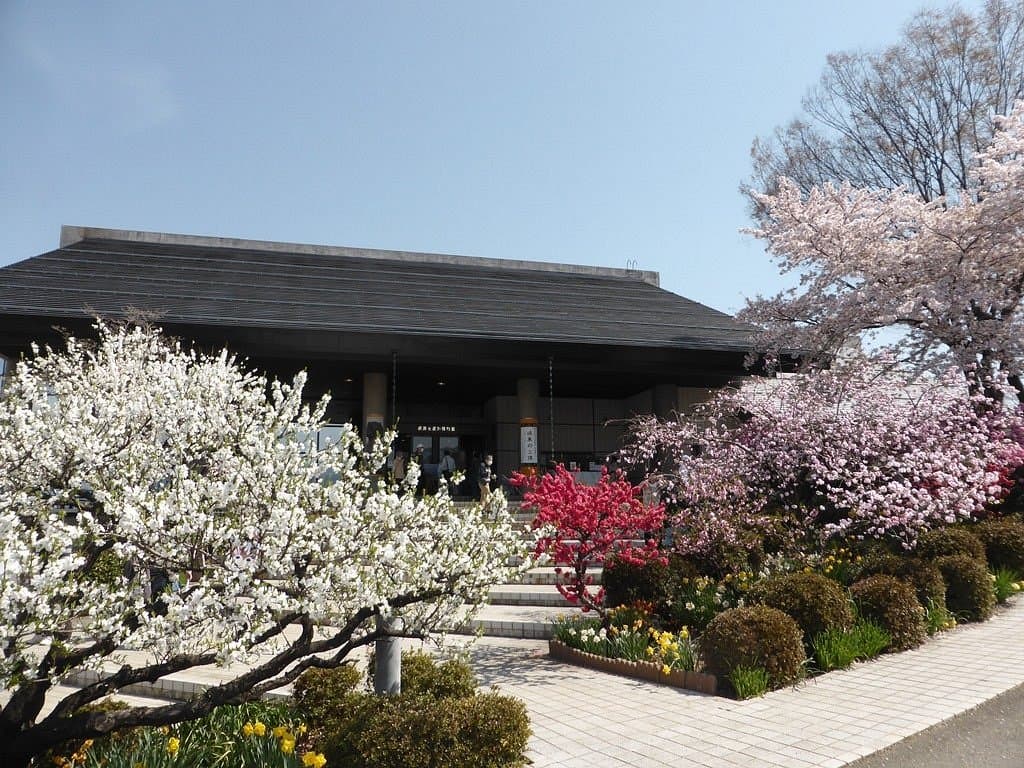
The Shakado Museum of Jomon Culture is dedicated to preserving and exhibiting artifacts from the Jomon period, an ancient prehistoric era in Japanese history. It primarily focuses on discoveries made in the Shakado site, showcasing a significant collection of pottery, tools, and other evidence of early human habitation in the region. For those interested in Japanese prehistory and archaeology, it offers a valuable insight into the daily lives and artistic expressions of the Jomon people.
Visitors consistently praise the extensive collection of Jomon pottery, often described as beautiful and large, with some pieces being particularly glittering. The museum's location is also a highlight, with reviewers mentioning beautiful scenery, including snow-capped mountains and various blooming flowers, which adds to the overall experience. However, some visitors suggest that while the exhibits are comprehensive, the staging could be improved to make the museum more engaging and impressive, especially for those less familiar with the subject matter.
To make the most of your visit, allocate approximately 1 to 2 hours to explore the museum. It is particularly recommended for those who have a specific interest in archaeology or ancient Japanese history. Consider visiting during spring or autumn to enjoy the surrounding natural beauty. While there are no explicit warnings about what to skip, visitors imply that a casual interest might find the presentation somewhat dry. Bringing a camera is recommended to capture the beautiful pottery and the scenic views from the museum.
The museum is conveniently accessible from the Chuo Expressway. Visitors note that you can reach it by taking a few steep steps directly from the Shakado Parking Area (PA). This makes it a practical stop for those traveling by car. There is also a mention of JAF member discounts, suggesting that membership in the Japan Automobile Federation might offer reduced entry fees.
A common complaint, or rather an observation, is that the exhibition, while informative, could benefit from more dynamic staging to enhance visitor engagement. To mitigate this, approach the museum with a genuine interest in Jomon culture, or consider researching the period beforehand to better appreciate the significance of the artifacts on display.