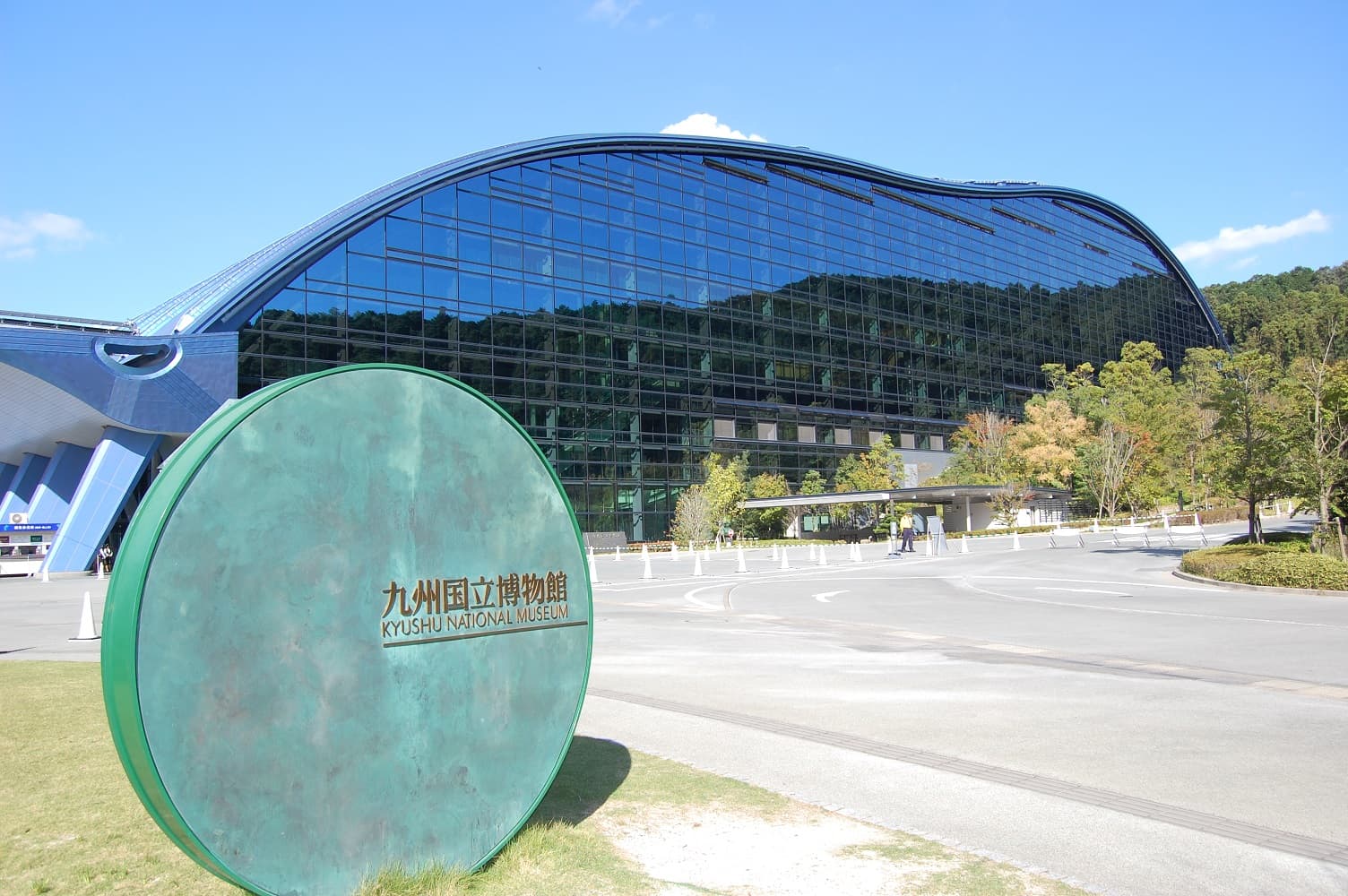
The Kyushu National Museum, opened in 2005, stands as one of Japan's four national museums, focusing on "The formation of Japanese culture from the perspective of Asian history." It showcases precious cultural relics from the Paleolithic to the Meiji period, with a significant emphasis on artifacts illustrating Japan's historical interactions with other Asian countries, particularly China and Korea. The museum's distinctive double-layered glass exterior, reflecting the surrounding nature, and its location nestled into a hillside, make it an architectural highlight.
Visitors frequently commend the museum for its extensive and well-displayed collections, often highlighting the balance and non-nationalistic perspective on history. Many appreciate the availability of English explanations and free audio guides, making the exhibits accessible to international guests. The special exhibitions, which change periodically, are often a major draw, with some reviewers noting them as particularly engaging. The building's design itself, including the impressive long escalator and moving walkway leading up to the entrance, is a consistent point of praise, described as an experience in itself.
To make the most of your visit, plan for approximately 2 to 3 hours, though some dedicated history enthusiasts might spend longer, especially if a special exhibition is of interest. The museum is a perfect escape on a hot or rainy day. While photography is generally not allowed inside the exhibition halls, the exterior and the journey to the museum offer ample photo opportunities. Consider visiting in the morning to avoid potential crowds, although many reviewers note it's generally not overly crowded, contributing to a calm atmosphere. Bringing a student ID can sometimes provide a discount on admission.
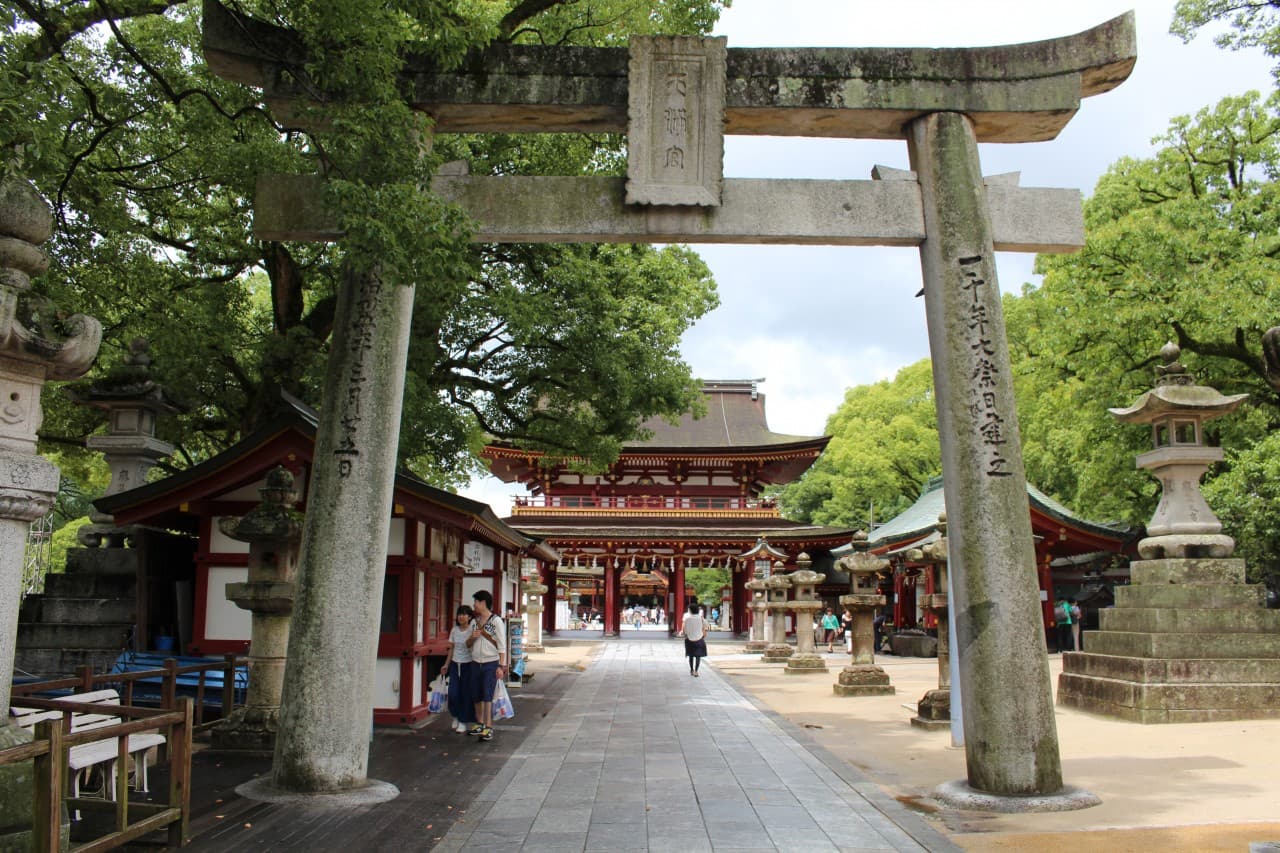
The museum is conveniently located near Dazaifu Tenmangu Shrine. From Nishitetsu Dazaifu Station, it's about a 15-20 minute walk to the entrance of the museum complex. The most memorable way to reach the museum itself is via a long, colorful escalator and moving walkway that ascends the hillside from the shrine grounds. This journey is often highlighted by visitors as a unique and enjoyable part of the experience. For those driving, parking information is available, though public transport is highly recommended due to its proximity to the shrine and the pleasant walk.
Some visitors find the permanent exhibition to be smaller than expected for a national museum, or that the content might not be as interactive as some modern museums. To mitigate this, focus on the specific areas of history or cultural exchange that interest you most, and take advantage of the available audio guides and English signage. While the entry fee for special exhibitions can be higher, many find the permanent collection's value to be well worth the standard admission price.