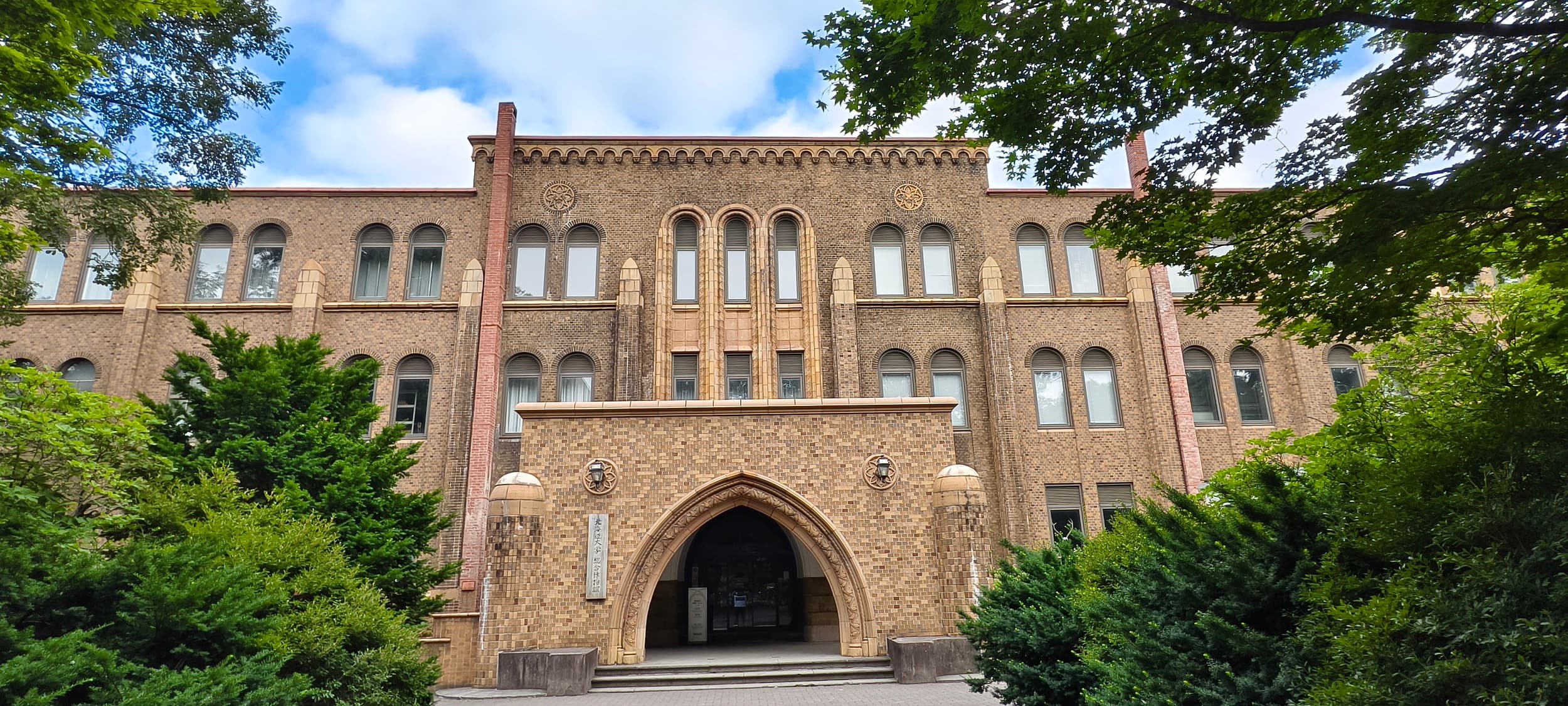
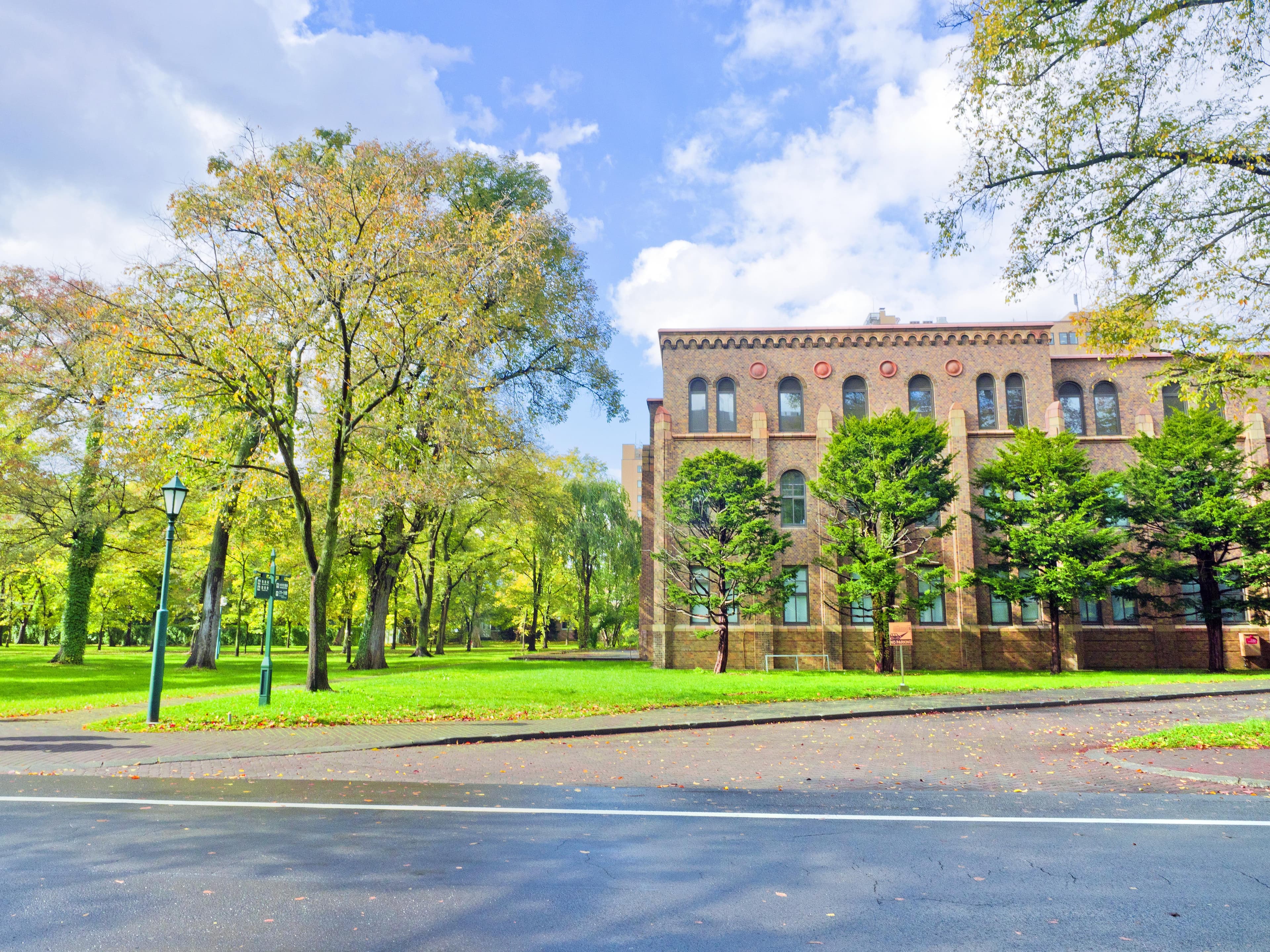
Hokkaido University's Sapporo Campus is not just an educational institution but a significant green oasis and historical site within Sapporo. Established in the mid-19th century, it boasts a rich heritage and a sprawling, beautifully maintained landscape that attracts both locals and tourists. It stands out as one of Japan's top universities, uniquely open to the public, offering a blend of nature, history, and academic life.
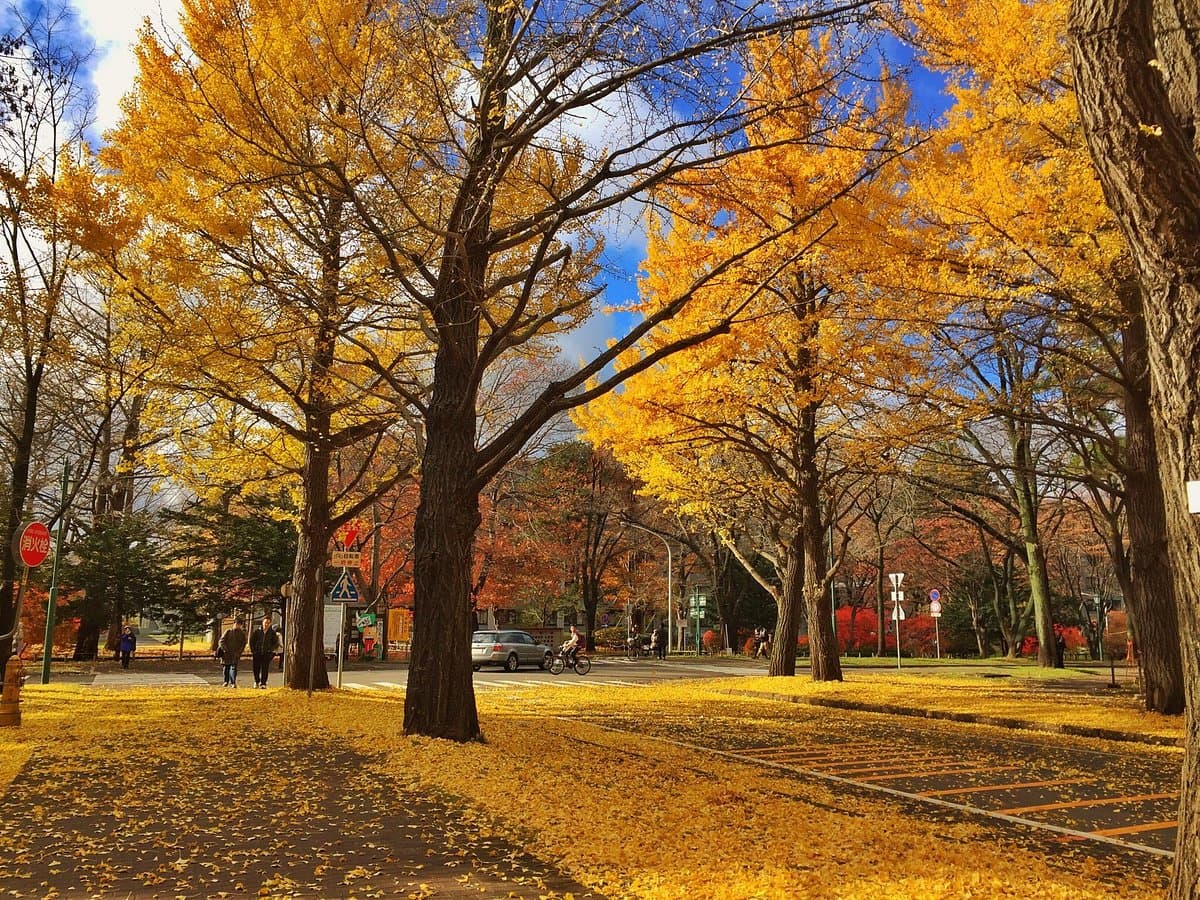
Visitors consistently highlight the campus's immense size and natural beauty, describing it as a "huge park" or "botanical garden." The campus is particularly celebrated for its seasonal transformations: lush green in summer, vibrant with ginkgo and maple trees in autumn, and magically blanketed in snow during winter. Many reviewers recommend visiting during autumn for the spectacular foliage, though some note that the timing can vary due to weather. The historic buildings, wide tree-lined avenues, and a small creek running through the Central Lawn add to its charm. The presence of the Hokkaido University Museum, offering free entry and interesting displays including a mammoth, is also frequently mentioned as a worthwhile stop.
For a fulfilling visit, allocate at least 2-3 hours to explore the campus. Reviewers suggest picking up a guide map from the Tourist Information Centre, which also functions as a cafe and souvenir shop, located near the main gate. While the campus is large, it is flat, making it suitable for walking or cycling; some visitors even rent bikes. The university's cafeterias and kiosks are generally open to the public, offering affordable local food. It's advisable to check the operating hours for specific facilities like the museum or cafes, as some may be closed on weekends or holidays.
The campus is exceptionally convenient to access. It is located within a 7-15 minute walk from Sapporo Station's north exit. Several reviewers emphasize its proximity, making it an ideal spot for those with limited time in Sapporo. While the campus is vast, covering it on foot is manageable, with some noting a 25-minute walk from the main gate to the edge. There are no specific parking details mentioned in reviews, suggesting public transport or walking is the preferred method of arrival.
A common complaint is that some visitors find the campus "dull" or "just a normal university" if they are not specifically looking for natural beauty or historical context. To mitigate this, manage expectations: it's a tranquil place for a stroll, not an amusement park. Also, some facilities like the museum or cafes might be closed, especially during holidays or early mornings/late afternoons, so checking schedules beforehand is recommended to avoid disappointment.