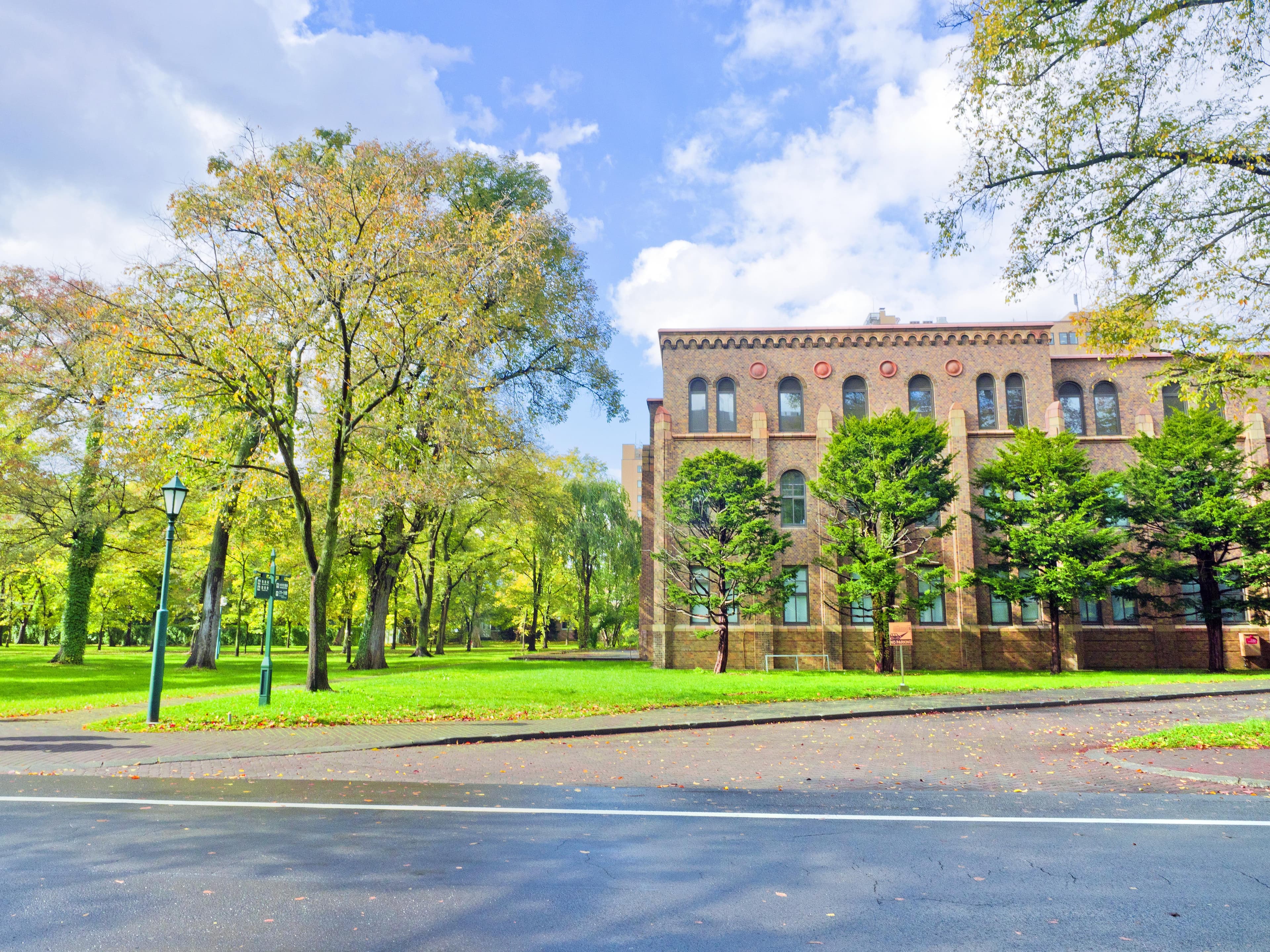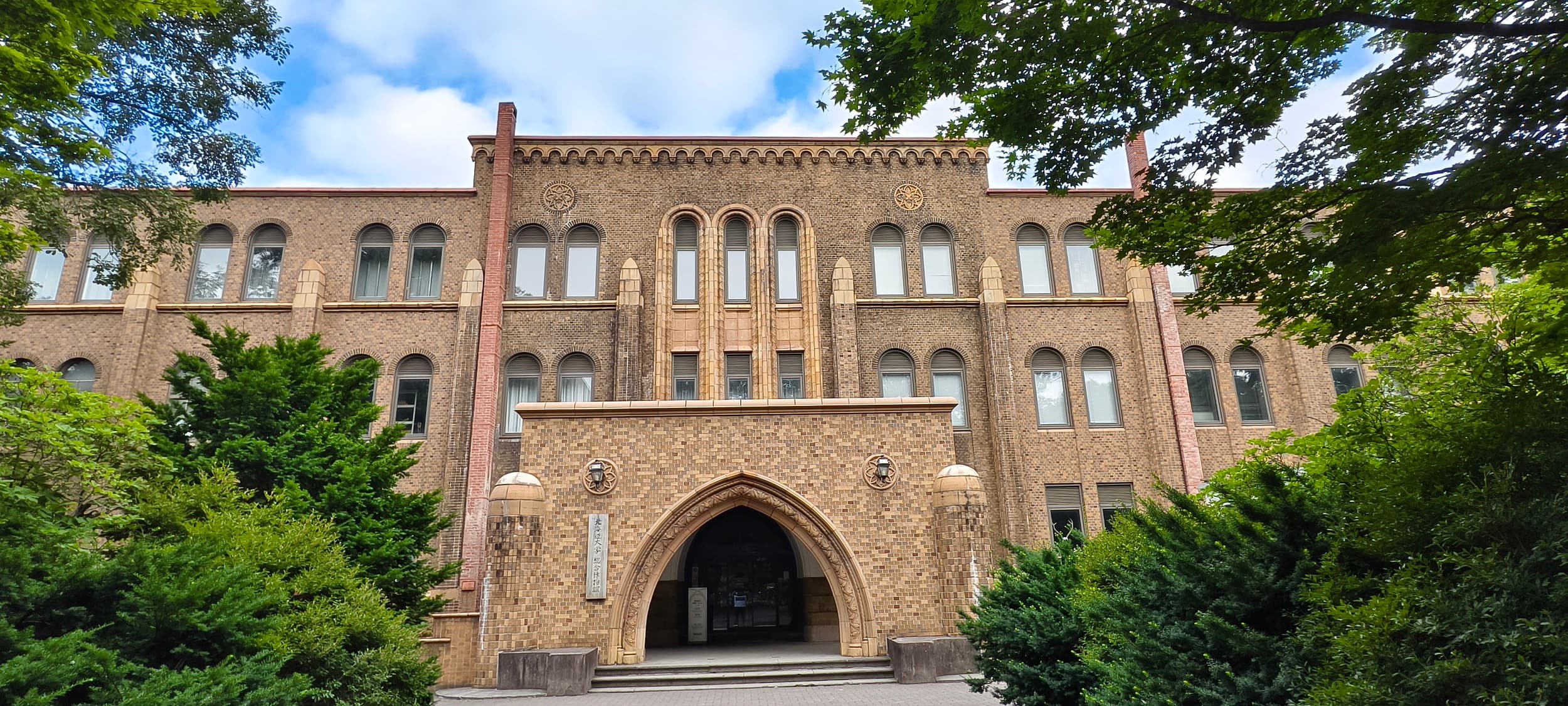
The Hokkaido University Museum serves as the comprehensive repository for over 4 million research specimens and materials collected since the university's founding in 1876. Housed in a historic building, it showcases the institution's academic journey, significant scientific discoveries, and contributions across various fields, from natural sciences to humanities.
Visitors consistently praise the museum for its extensive and diverse collections, which include impressive dinosaur fossils, geological specimens, and artifacts related to the university's history, including a Nobel Prize medal. Many reviewers highlight the museum's quiet atmosphere, which allows for a leisurely and contemplative visit. The fact that admission is free is a significant draw, making it an accessible cultural experience. However, a recurring point of feedback is the limited English signage, with many exhibits primarily in Japanese. This can be a barrier for international visitors who wish to delve deeper into the detailed explanations.
To make the most of your visit, plan to spend approximately 2-3 hours exploring the three floors. While the museum is free, some visitors suggest making a small donation at the entrance if you appreciate the experience. For non-Japanese speakers, consider using a translation app or going with someone who can translate, although many visual exhibits can still be appreciated without detailed text. Don't miss the highly recommended ice cream available near the entrance on the first floor, which many reviewers describe as delicious. The museum also features a cafe with affordable options, including vegetarian curry, which can be a convenient lunch stop.
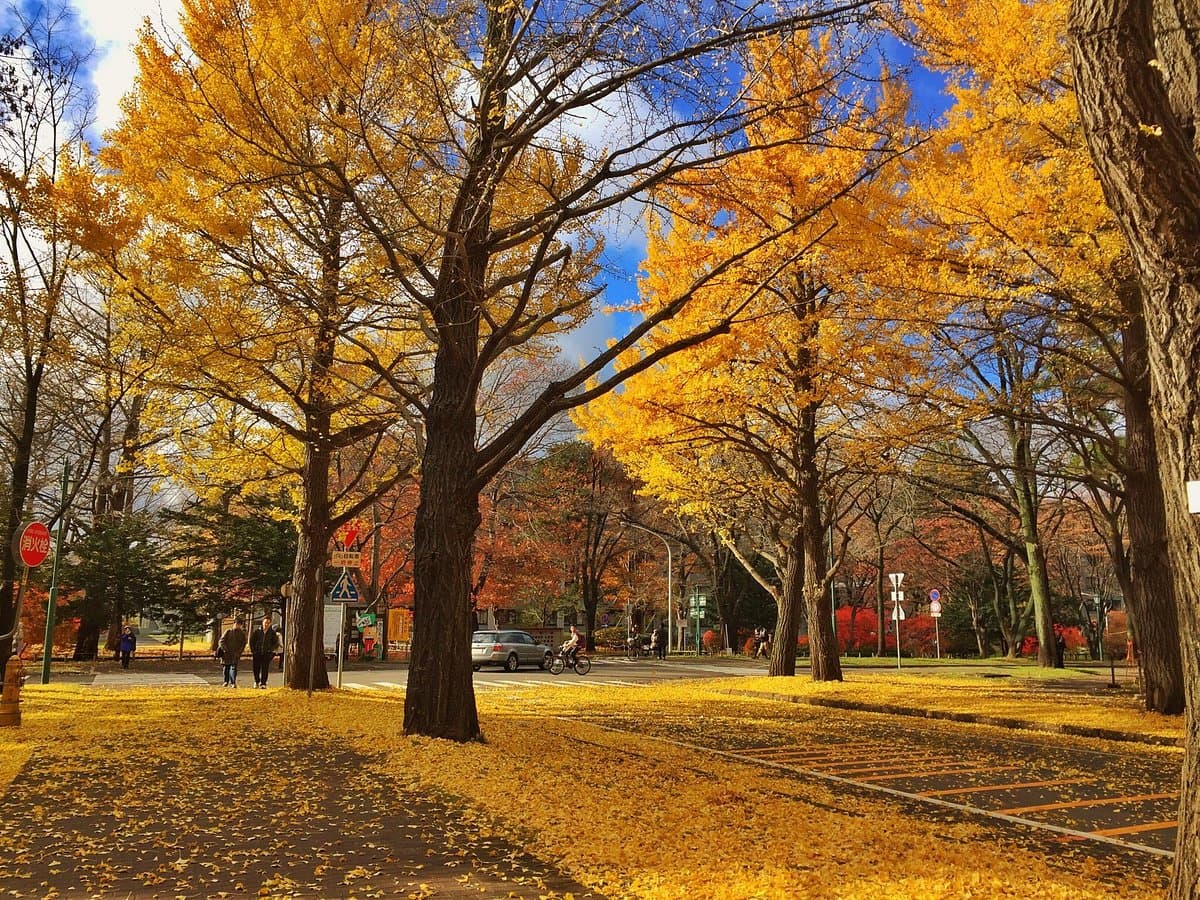
The museum is conveniently located on the Hokkaido University campus, which is easily accessible from Sapporo Station. From Sapporo Station, it's a pleasant walk of about 10-15 minutes north. The campus itself is a beautiful area for walking or jogging, and many visitors combine a museum visit with exploring the campus grounds, especially during autumn for the ginkgo trees. Public transport options like buses also serve the university area, but walking from the main station is often preferred for its scenic route.
The primary complaint revolves around the language barrier. While some exhibits have bilingual signs, a significant portion is only in Japanese. To mitigate this, visitors recommend focusing on the visual aspects of the exhibits, such as the impressive specimens and historical objects, and using smartphone translation apps for specific areas of interest. Some past reviews mentioned temporary closures for renovations, so it's advisable to check the museum's official website or call ahead before visiting to confirm current operating status.