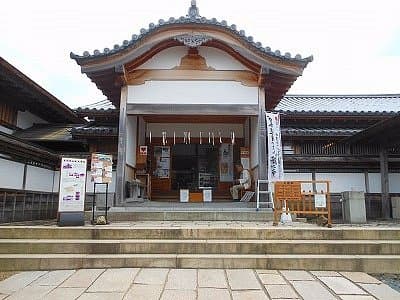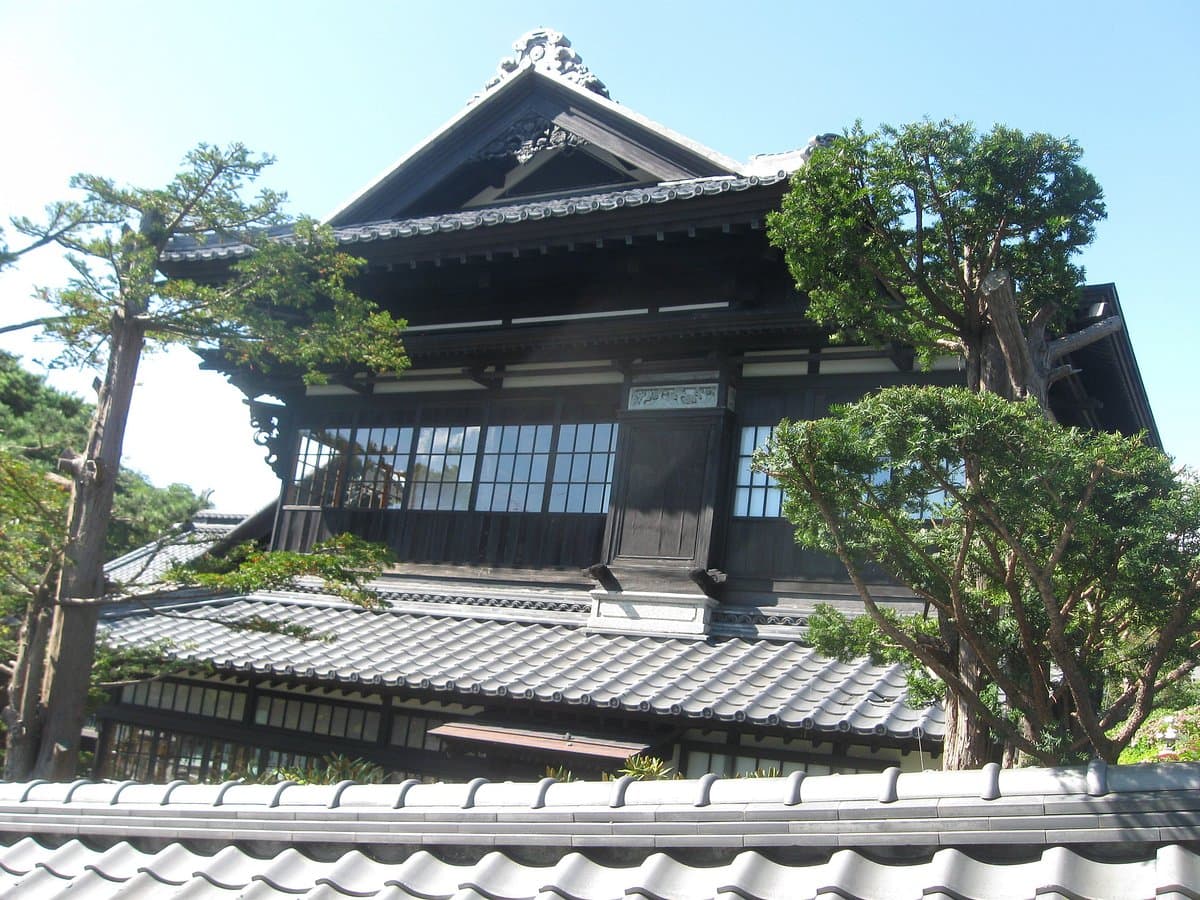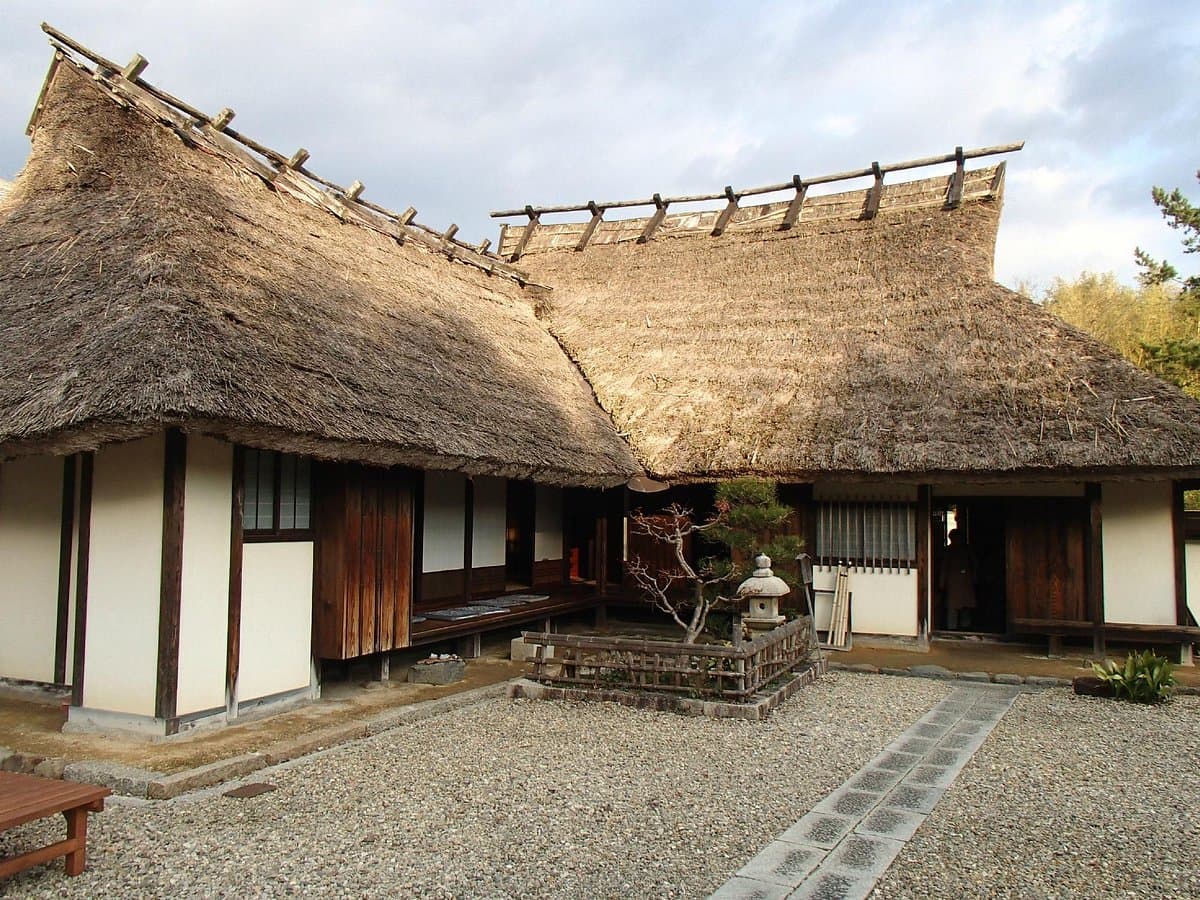
The Sasayama Castle Old Site, dating back to 1609, represents a significant historical landmark in Japan, even though much of the original structure no longer stands. It was built by Tokugawa Ieyasu as a strategic stronghold and served as a symbol of power. Today, it primarily consists of impressive stone walls, a wide moat, and the reconstructed Ōshoin (Great Study Hall), offering visitors a tangible connection to Japan's rich feudal history.
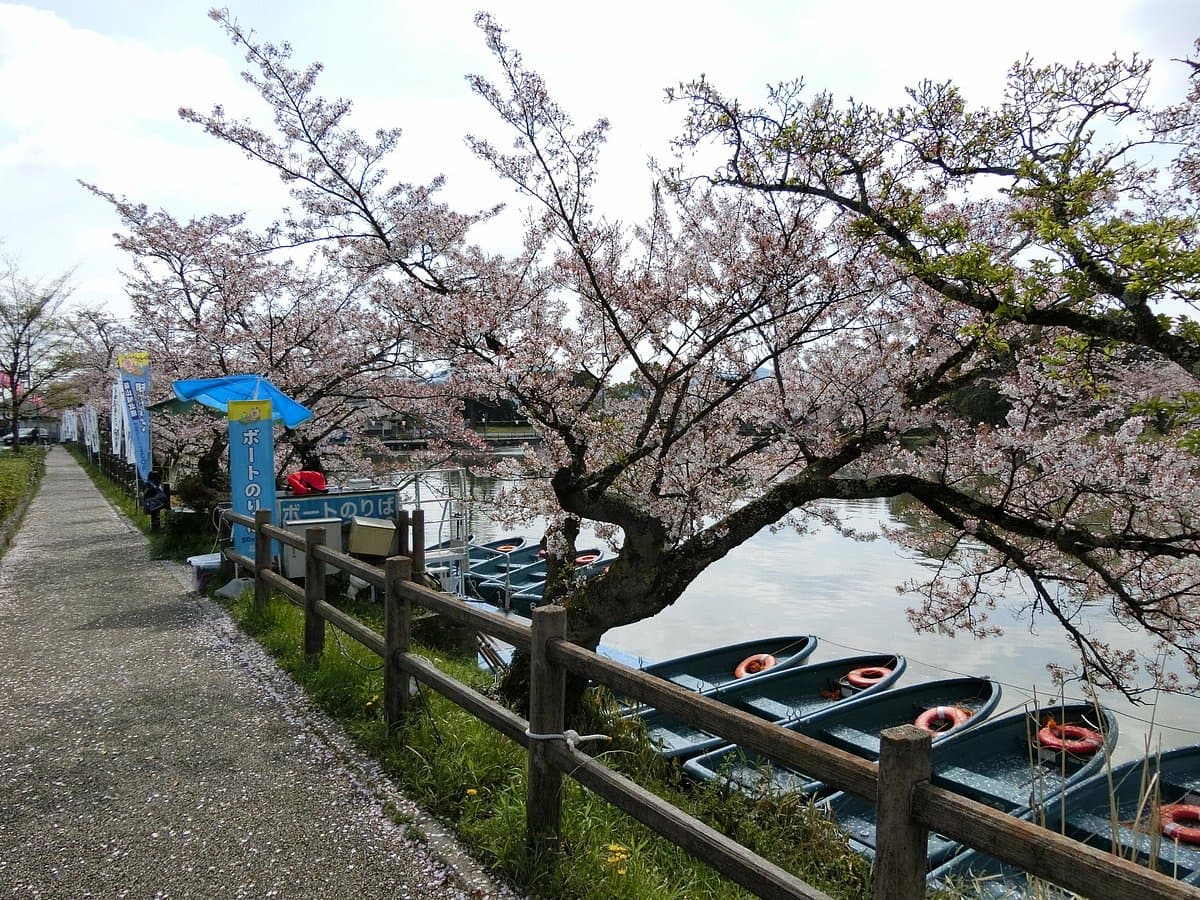
Visitors consistently praise the beauty of the castle's stone walls and the surrounding moats, noting their almost perfectly square shape. The site is particularly popular during cherry blossom season, when dozens of cherry trees on and around the grounds create a stunning spectacle. The reconstructed Ōshoin is also a highlight, housing various exhibits and an informative video with English subtitles that explains the castle's history. Reviewers appreciate the opportunity for a pleasant stroll around the grounds, with some enjoying the search for hidden carvings in the stone walls.
For a comfortable visit, plan to spend 1 to 2 hours exploring the site and the Ōshoin. It is advisable to be cautious while walking along the moats and stone walls, as some areas may have low or no safety railings. Bringing a camera is recommended, especially during spring, to capture the scenic views. While the Ōshoin has English explanations for its video, some other displays might lack English translations, so a translation app could be useful for deeper understanding.
The Sasayama Castle Old Site is conveniently located. There is a parking lot near the entrance, making it easily accessible for those traveling by car. For public transport users, specific bus or train lines are not detailed in reviews, but its central location in Tanba Sasayama suggests it is reachable via local services or a short walk from the town center.
A common complaint is the limited remaining original structure, with most of the castle being ruins. However, visitors interested in history can still appreciate the scale and strategic importance through the remaining walls and the reconstructed Ōshoin. Managing expectations about seeing a fully intact castle helps in enjoying the historical significance of the site.