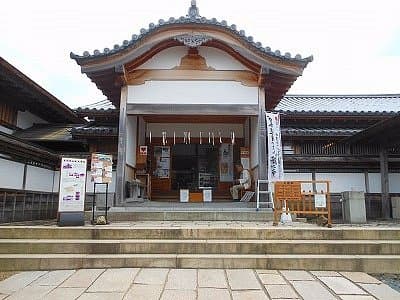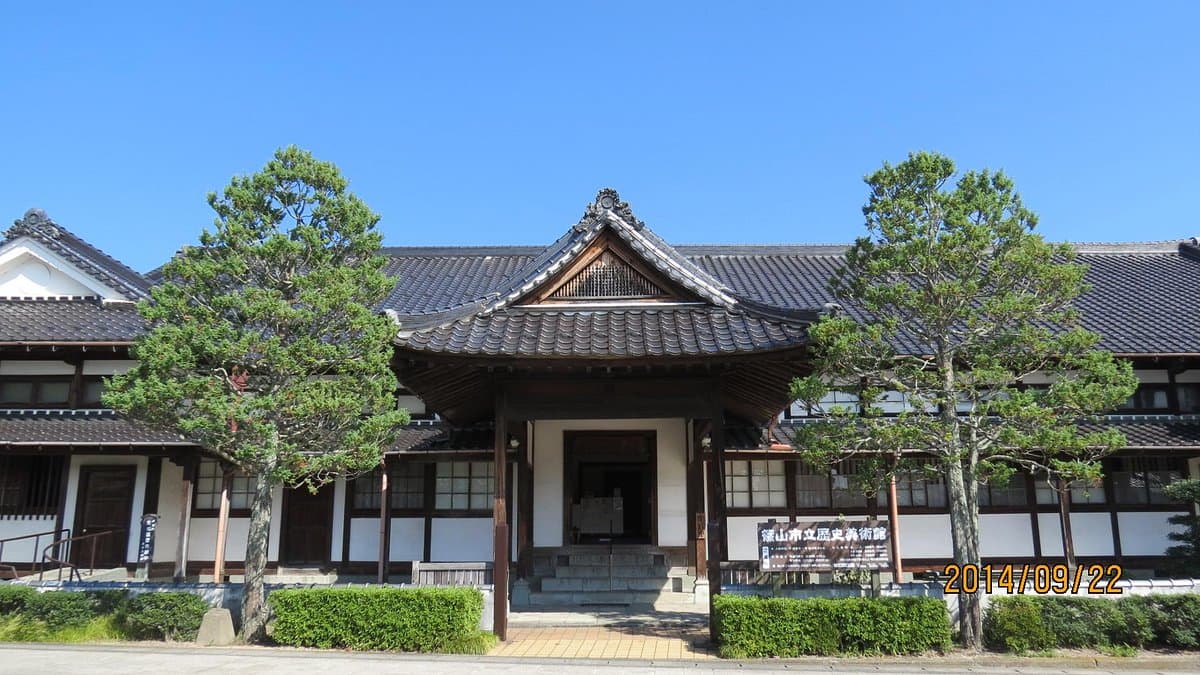
The Sasayama Municipal Museum of History is situated in the historic building of the former Sasayama District Court, which itself dates back to the Meiji Era. This architectural significance makes the building an exhibit in its own right, offering a tangible connection to Japan's administrative past. The museum primarily focuses on the local history of Tanba Sasayama, showcasing artifacts, historical maps, and documents related to the region's development.
Visitors frequently note that the museum's exhibits, while historically rich, offer very limited English explanations. This can significantly diminish the experience for those who do not understand Japanese, as much of the detailed context and information is inaccessible. Reviewers also consistently mention a strict no-photography policy inside the museum, which can be a point of frustration for those wishing to document their visit or share the historical art and maps on display.
For an optimal visit, it is highly recommended to bring a Japanese speaker or a reliable translation app to fully appreciate the exhibits. Plan to spend about one to two hours here, which should be sufficient to explore the available displays. The museum is often closed on Mondays, with potential make-up closures on public holidays, so checking the operating schedule in advance is advisable. There are a few parking lots available, but they can fill up quickly, sometimes being used by local businesses.
The museum is located at 53, Gofukumachi, Tanba Sasayama. While specific public transport details are not widely mentioned in reviews, Tanba Sasayama is generally accessible by train. From the nearest train station, it would likely require a local bus or a taxi, or a walk if the station is within reasonable distance. Driving is an option, but parking can be competitive due to local usage.
The primary complaint revolves around the lack of English information. To mitigate this, consider researching the history of Sasayama and the Meiji Era beforehand to provide context, or as suggested, visit with someone who can translate. The no-photography rule is a fixed policy, so visitors should manage their expectations regarding capturing images inside.