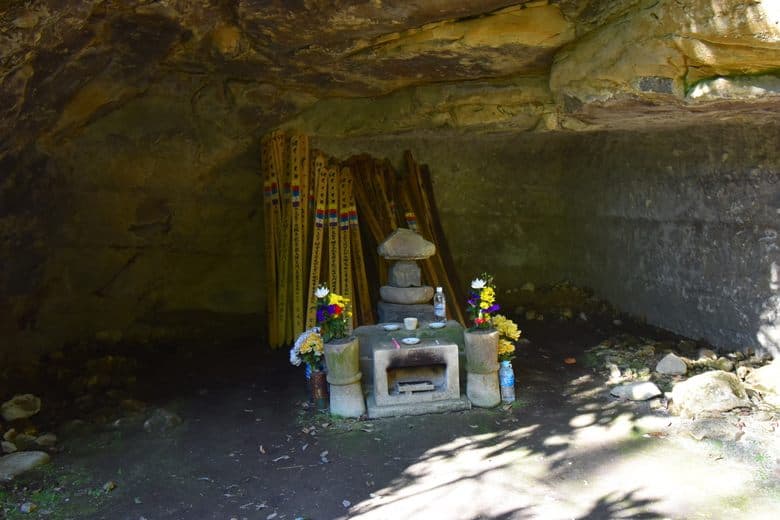
Harakiri Yagura is a significant historical site in Kamakura, believed to be the location where Hōjō Takatoki, the last regent of the Kamakura Shogunate, and 870 of his retainers committed mass suicide (seppuku) in 1333 after their defeat by forces loyal to Emperor Daigo II. This event marked the end of the Kamakura Shogunate. The site features a yagura, or burial cave, dedicated to the Hōjō clan, and is considered a sacred sanctuary belonging to Hōkai-ji Temple.
Visitors consistently note the solemn and respectful atmosphere of the site. While direct entry into the yagura is prohibited unless for prayer, the area around it allows for quiet contemplation of this pivotal moment in Japanese history. Reviewers often emphasize the historical weight of the location and its connection to the samurai ethos. Some visitors mention the quiet solitude, contrasting it with more bustling Kamakura attractions, which contributes to a more profound experience.
To make the most of your visit, allocate about 30-60 minutes to respectfully observe the site and its surroundings. It is best visited during daylight hours, and as it is an outdoor location, comfortable walking shoes are recommended. There are no specific items to bring, but a camera might be useful for capturing the unique historical ambiance. Given its sacred nature, visitors are advised to maintain a quiet demeanor and show respect for the site's historical and spiritual significance.
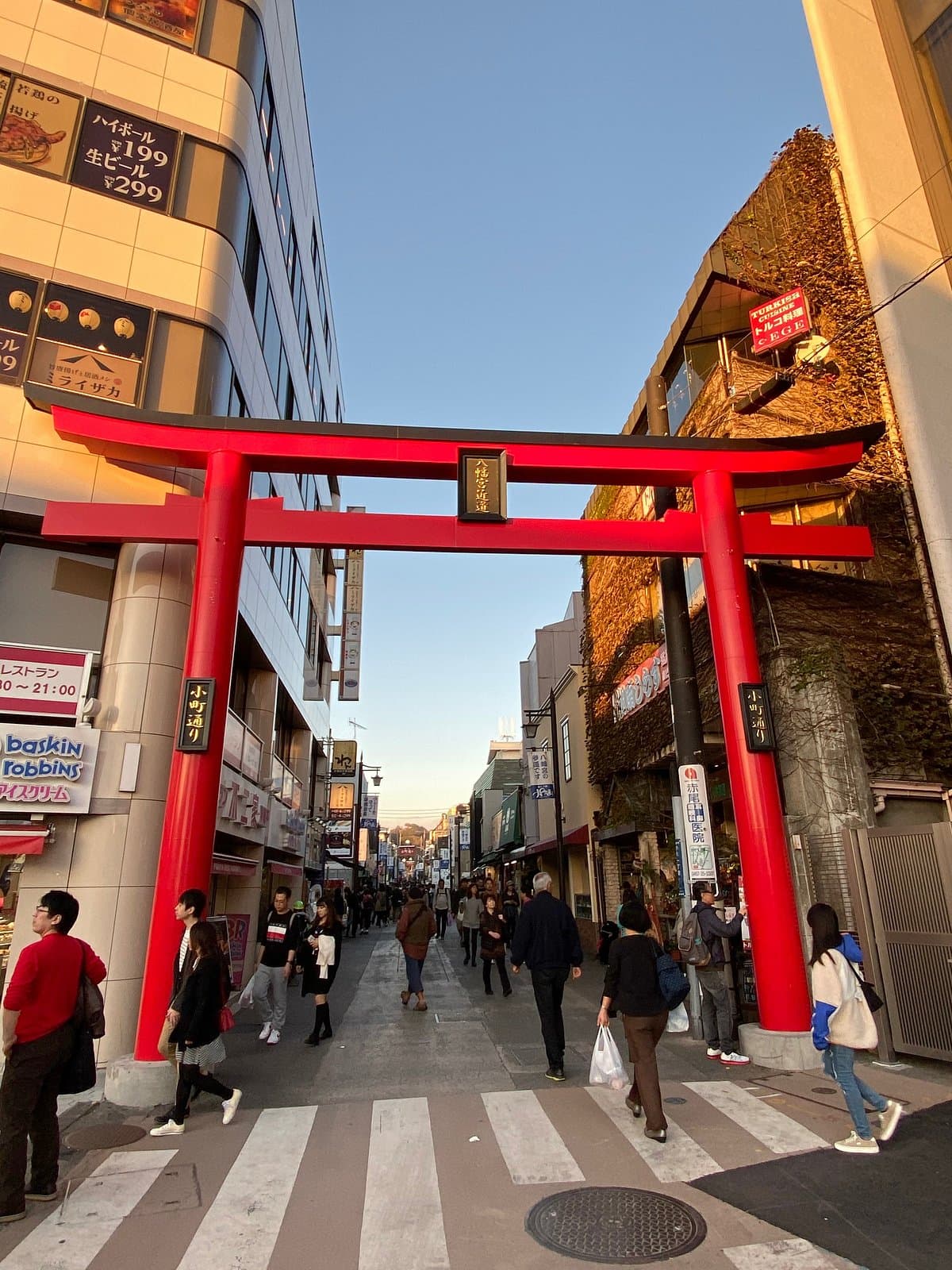
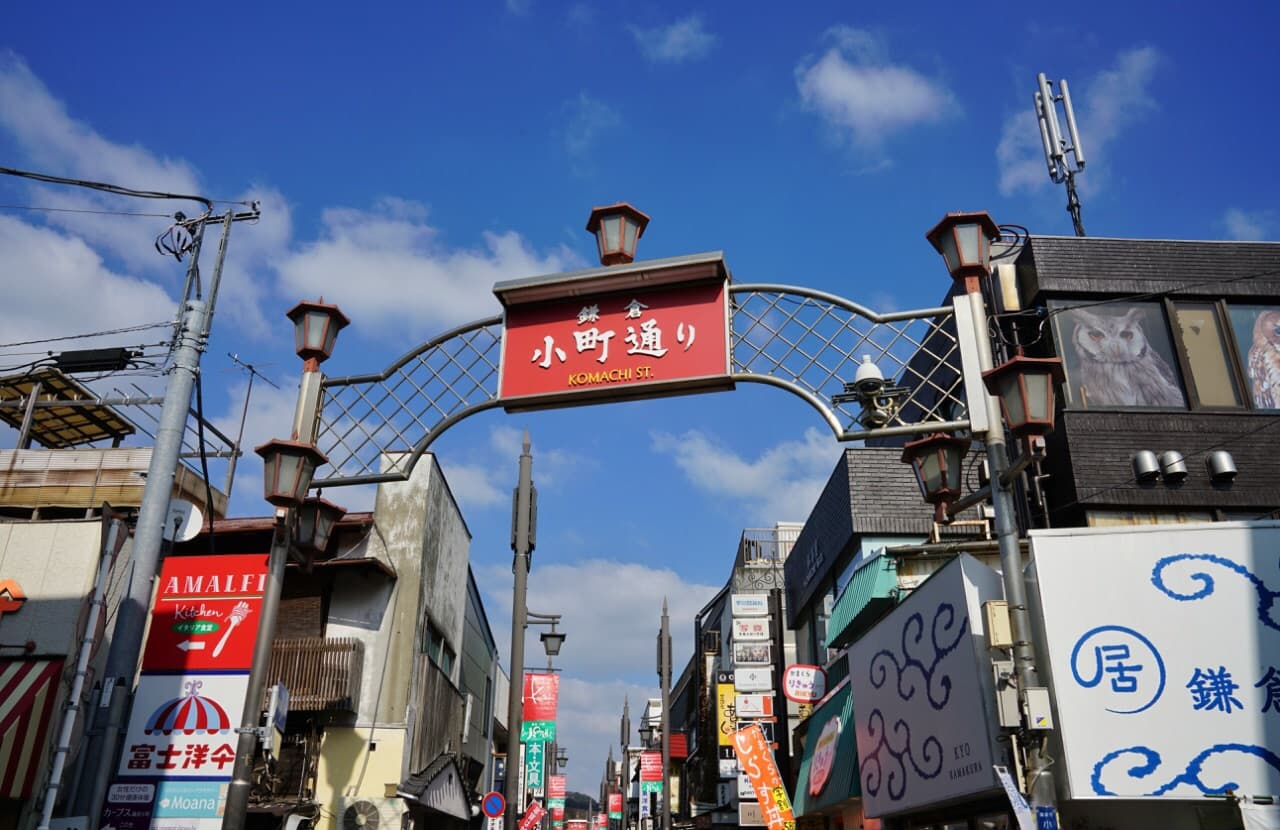
Harakiri Yagura is conveniently located about a 15-minute walk from Kamakura Station. From the station, head towards the area near the fenced-off ruins of Tōshō-ji Temple and the Gion-yama Hiking Course. The walk is generally straightforward and allows visitors to experience more of Kamakura's charm. Public transport within Kamakura is excellent, making it easy to reach the station from other parts of the city or from Tokyo.
A common point of concern for some visitors is the restricted access to the yagura itself. While the site is open for observation, the actual burial cave is not accessible for general tourism, which can be disappointing for those expecting to enter. To mitigate this, approach the visit with the understanding that it is a place of remembrance and historical reflection rather than an interactive exhibit. Focus on the external features and the historical context to appreciate its significance.