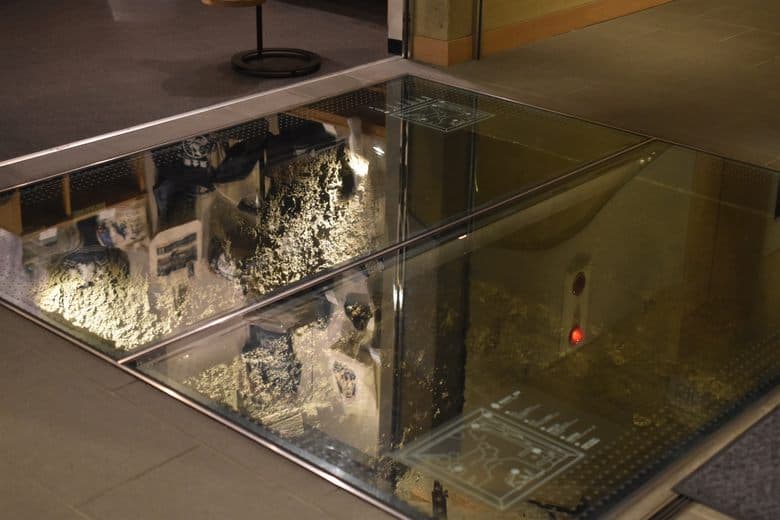
The Hōjō-Komachi Archaeological Remains are the preserved foundations of a medieval manor belonging to the powerful Hōjō clan, who governed Kamakura from 1203 to 1333. Dating from the late 12th to early 13th century, these ruins consist of building foundations, pillar pits, and waste disposal pits containing pottery shards and bones. What makes this site particularly unique is its location: it's preserved in situ in the basement of the modern M’s Ark tourist information center, visible through a glass panel in the lobby floor.
Visitors consistently praise the unexpected nature of finding such significant historical remains beneath a contemporary building, especially given that access is free. Many appreciate the brief but insightful glimpse into Kamakura's past, noting it adds an extra layer of understanding to the city's rich history. However, some reviewers caution that the display is small and might not be captivating for those without a specific interest in archaeology or medieval Japanese history. It's generally seen as a quick stop rather than a primary destination.
For a visit, no special preparation is needed. Since the remains are viewed through a glass floor panel, the experience is very brief, typically lasting only 5-10 minutes. It's best visited as an add-on if you are already in the M's Ark tourist information center for other purposes, such as using the restrooms or browsing souvenirs. There are no specific 'best times' to visit as it's indoors and accessible during the center's operating hours.
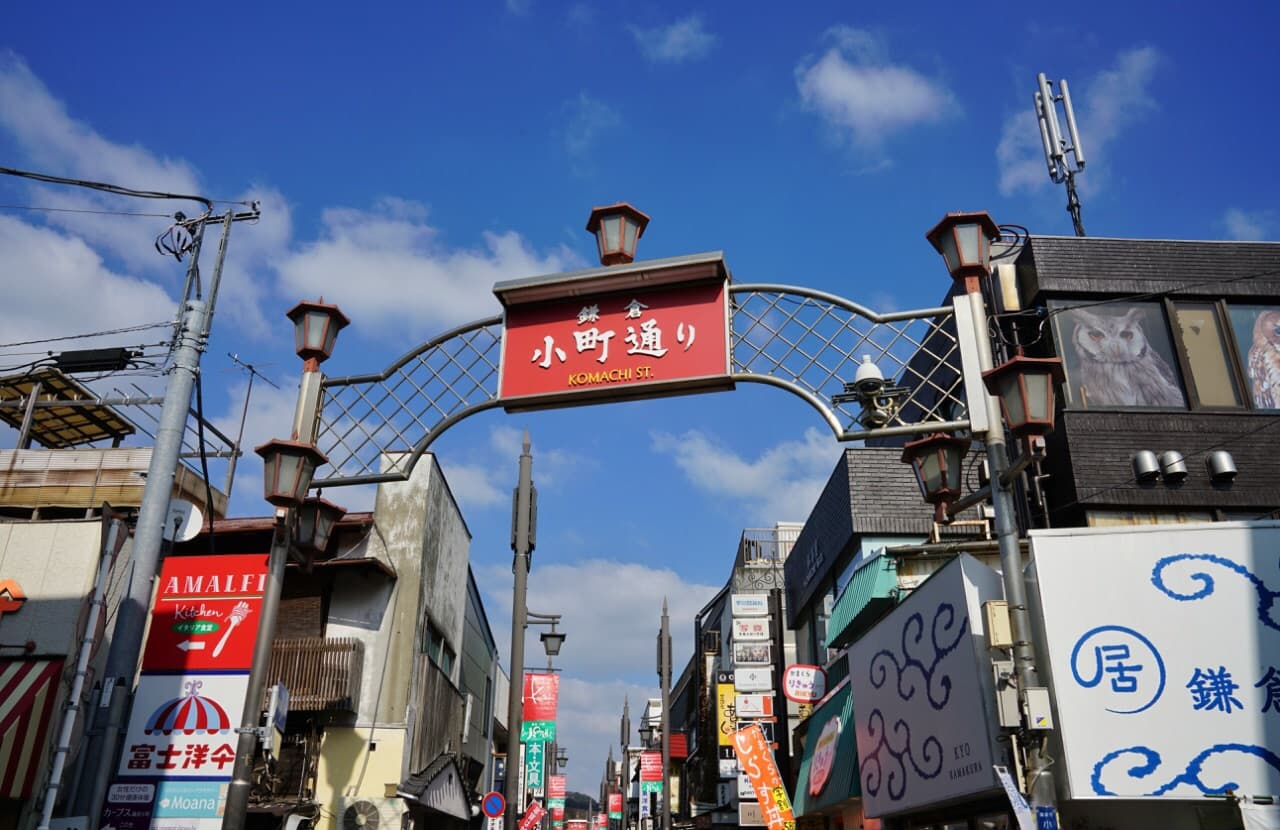
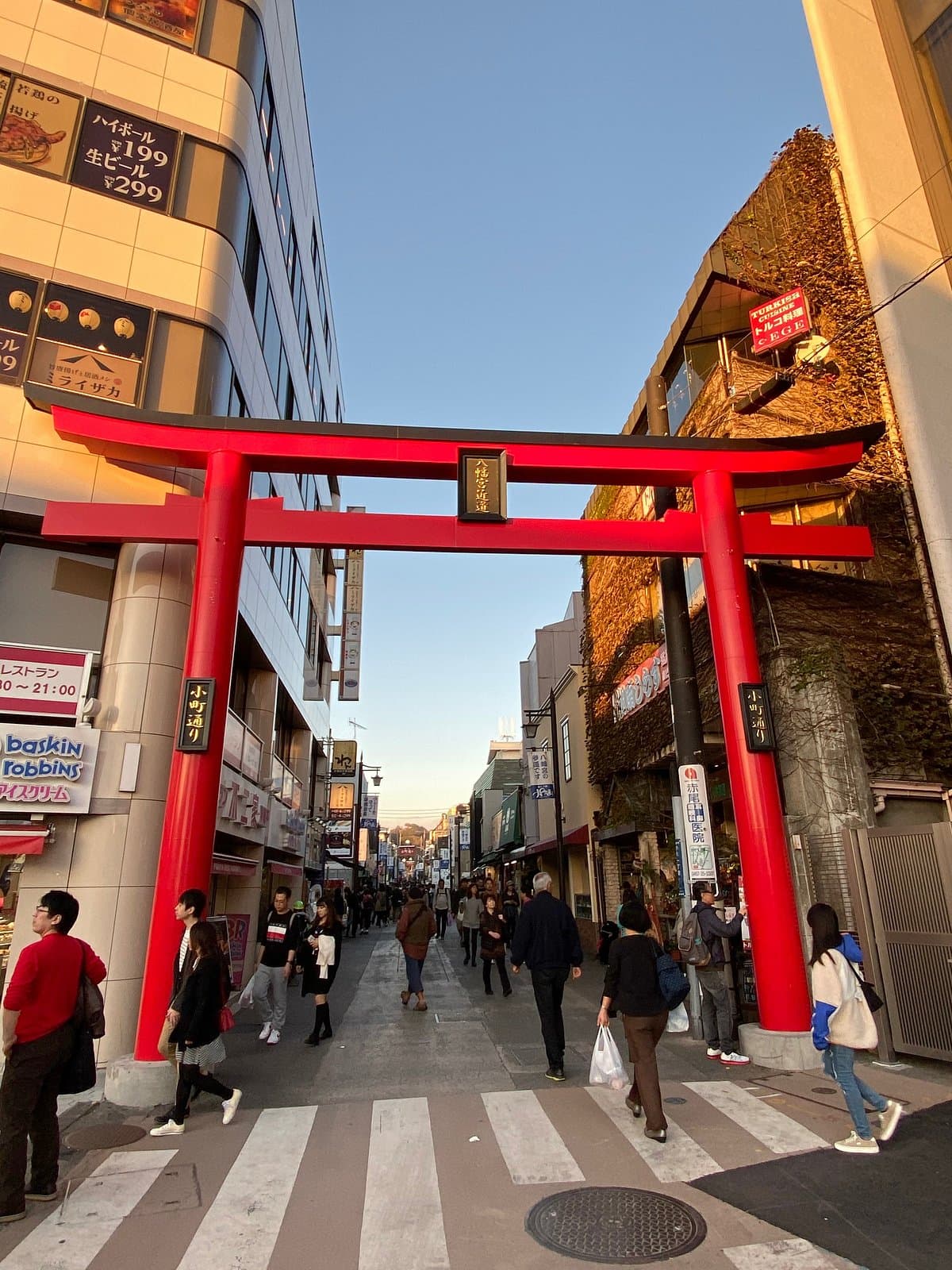
The M's Ark tourist information center is conveniently located on Wakamiya Avenue, one of Kamakura's major shopping streets. It's easily accessible by foot from Kamakura Station, which is served by the JR Yokosuka Line and Enoshima Electric Railway. The center is situated amidst numerous shops and restaurants, making it a natural stop for those exploring the Komachi-dōri and Wakamiya-ōji areas. No driving or parking information is typically relevant as most visitors arrive via public transport or on foot.
The primary 'complaint' or rather, expectation management, is that the site is very small and offers a limited visual experience. To mitigate this, approach it with the understanding that it's a small archaeological display, not a sprawling ruin. Its value lies in its historical significance and its unusual presentation within a modern building, rather than its scale.