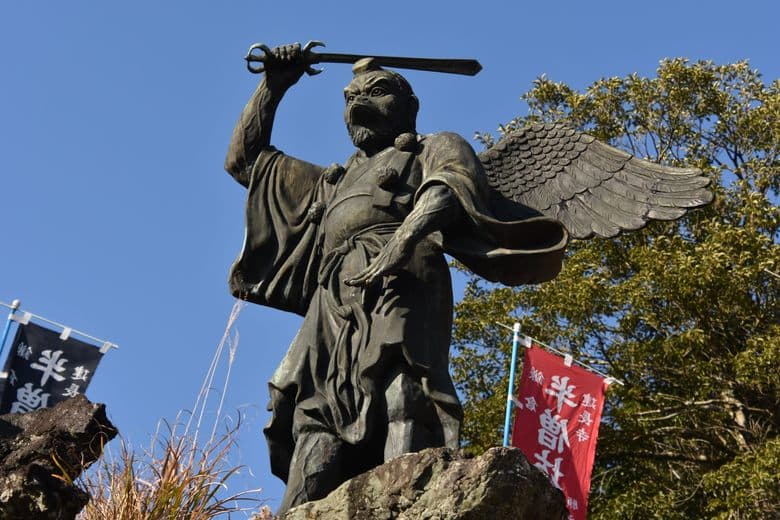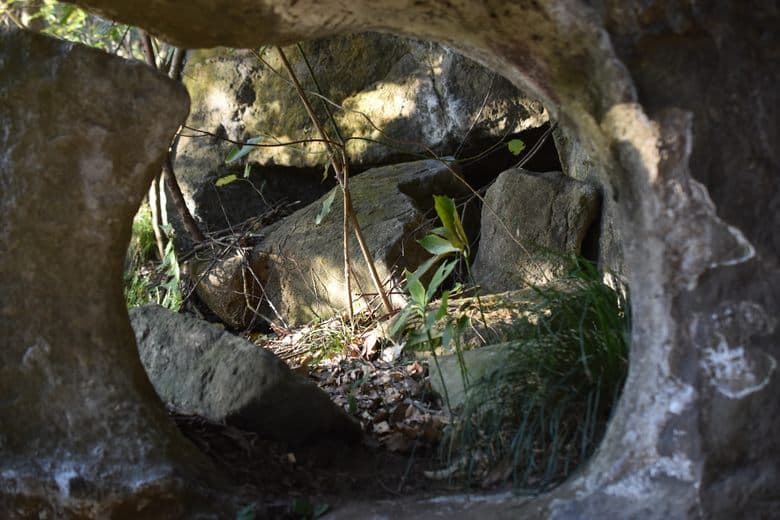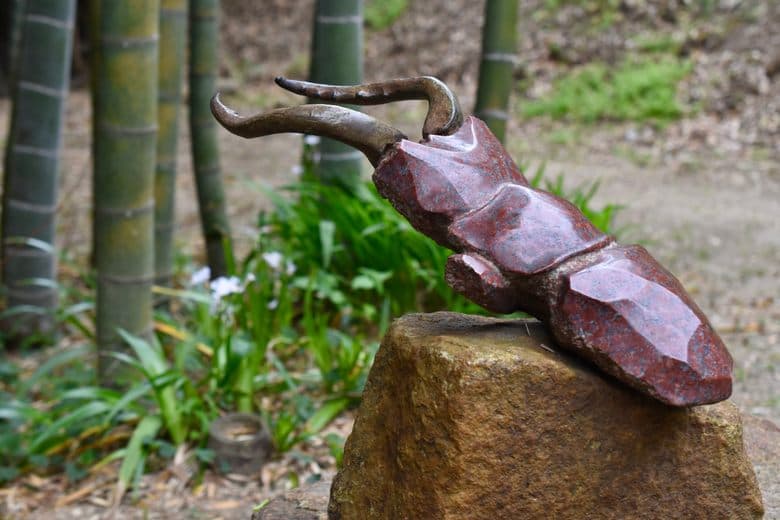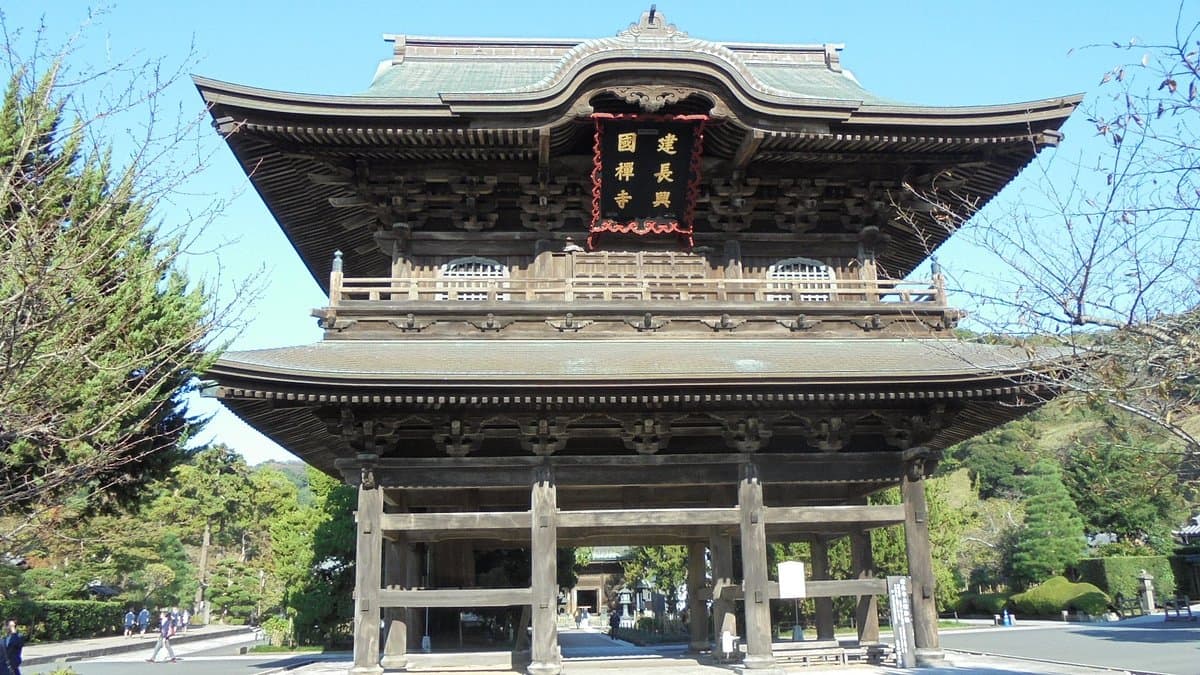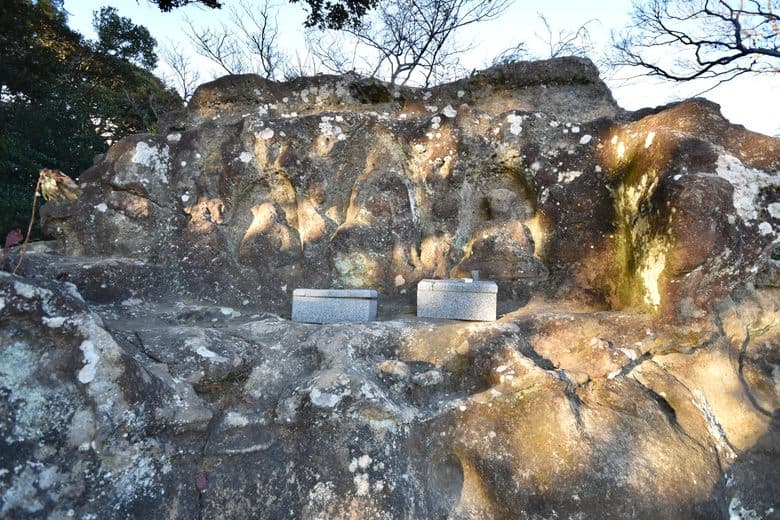
Ju-oh-iwa, meaning "Ten Kings Rock," is a significant historical landmark nestled within the Ten-en Hiking Course in Kamakura. This rock is notable for its faint carvings depicting the Ten Kings of Hell, figures from Buddhist mythology who judge the deceased. Beyond its spiritual importance, the site offers one of the most celebrated panoramic views of Kamakura, including the prominent Wakamiya Ōji Avenue stretching towards the sea.
Visitors consistently praise the breathtaking views from Ju-oh-iwa, often describing it as a highlight of their hike. The sense of tranquility and the historical context of the carvings, though faded, add depth to the experience. Reviewers frequently mention the satisfaction of reaching this viewpoint after a moderate hike, emphasizing the reward for their effort. However, some visitors note that the carvings themselves are very subtle and might be easily missed without prior knowledge or a keen eye.
To make the most of a visit, it is advisable to combine Ju-oh-iwa with a hike along the Ten-en Hiking Course, ideally starting from Kenchō-ji Temple. Allow approximately 1-2 hours for the hike to and from the rock, plus time to enjoy the view. Bringing water, comfortable hiking shoes, and a camera is highly recommended. The best time to visit is on a clear day for optimal visibility, preferably in the morning or late afternoon to avoid crowds and harsh sunlight. While the carvings are part of the allure, visitors should manage expectations regarding their visibility; the primary draw is the view.
Ju-oh-iwa is located a short hike from the Hansōbō portion of Kenchō-ji Temple, which serves as one of the starting points for the Ten-en Hiking Course. To access this route via Kenchō-ji, there is an admission fee for the temple. Public transport to Kenchō-ji Temple is readily available; it's about a 15-20 minute walk from Kita-Kamakura Station on the JR Yokosuka Line. From Kamakura Station, it's a slightly longer walk or a short bus ride. The trail itself is well-marked but involves some inclines and uneven terrain, so a moderate level of fitness is beneficial.
A common complaint is the difficulty in discerning the rock carvings due to their age and erosion. To mitigate this, consider researching images of the carvings beforehand to know what to look for, or simply appreciate the historical significance and focus on the panoramic vista, which is universally lauded.