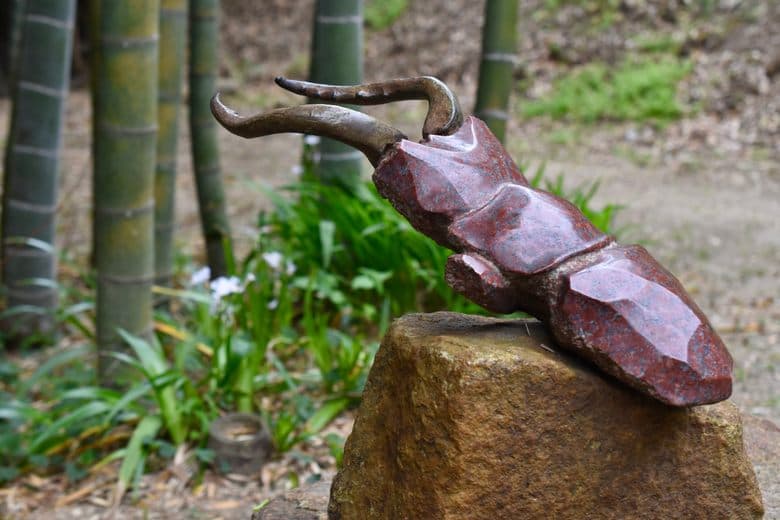
The Insect Mound (Mushizuka) is a distinctive art installation located within the grounds of Keichō-ji, one of Kamakura's oldest Zen Buddhist temples. Conceived by anatomist Takeshi Yoro and designed by architect Kengo Kuma, this memorial, installed in 2015, pays tribute to insects whose lives have been taken by humans. It stands out for its light, intricate design, composed of what resembles insect cages, contrasting with traditional heavy memorial monuments.
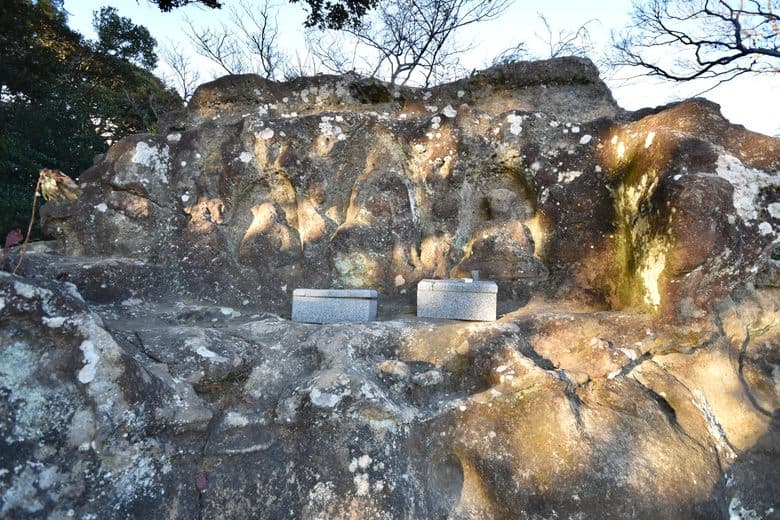
Visitors consistently praise the mound's unique concept and its harmonious integration into the natural bamboo surroundings. Many appreciate the thoughtful design and the peaceful atmosphere it creates, offering a moment for reflection on the relationship between humans and nature. The nearby yagura, a medieval burial cave carved into the cliff wall with ancient Buddhist sculptures, adds another layer of historical and cultural interest to the visit.
To fully appreciate the Insect Mound and its surroundings, visitors should plan to spend about 30-60 minutes. It's best visited during daylight hours, ideally on a clear day, to enjoy the interplay of light and shadow on the intricate structure. There are no specific items to bring, but comfortable walking shoes are advisable for exploring the temple grounds. The mound is an outdoor installation, so check the weather forecast before your visit.
Keichō-ji Temple is accessible by public transport. From Kamakura Station, visitors can take a local bus or enjoy a pleasant walk through the city. The temple is located a moderate distance from the main station, so consulting a map or using a navigation app for walking directions is recommended. Parking is generally limited in the area, so public transport is the preferred option.
Some visitors might find the mound's concept abstract or its size smaller than expected from descriptions. To mitigate this, approach it as a contemplative art piece rather than a grand monument. Its beauty lies in its subtlety and the ideas it evokes, rather than sheer scale.