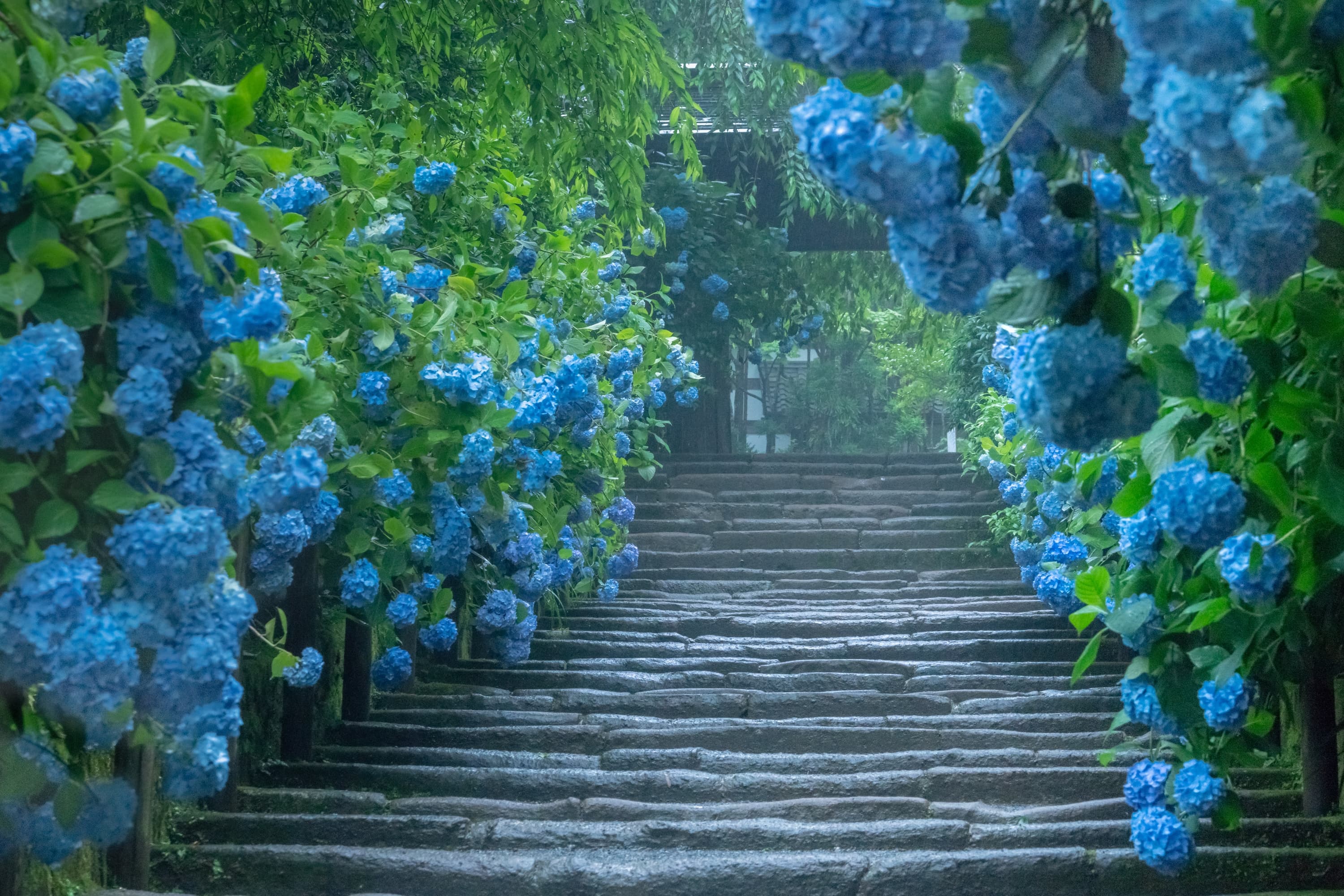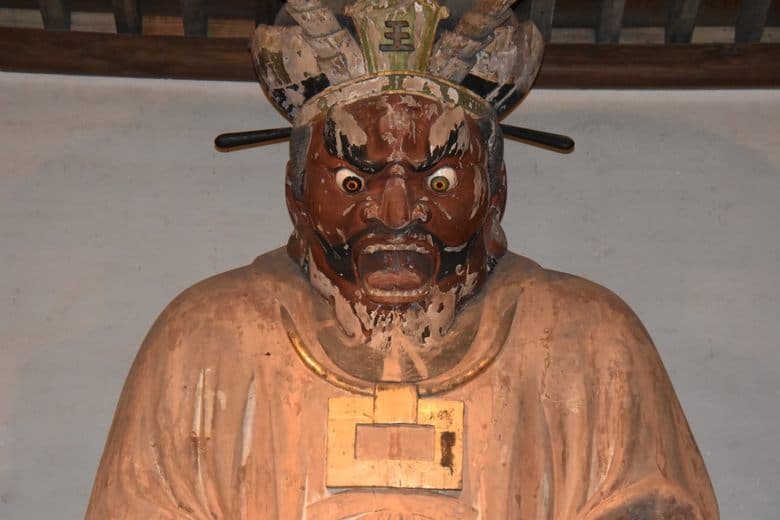
The Hall of the Ten Kings at Ennoji Temple, often called En'ma Temple, is a distinctive Buddhist site in Kamakura, founded in 1250. It stands out for its remarkable collection of wooden statues depicting the Ten Kings of Hell, the judges of the Buddhist underworld, and other figures associated with the afterlife. The centerpiece is the legendary statue of En'ma Daiō, attributed to the master sculptor Unkei, known for its unique 'laughing' expression.
Visitors consistently praise the temple for its unusual and thought-provoking statuary, which offers a stark contrast to the more serene Buddhist imagery found elsewhere. Many find the detailed and often intimidating figures, particularly the 'Laughing En'ma' and the Datsue-ba hag, to be a powerful and memorable experience. Reviewers often highlight the quiet and contemplative atmosphere, making it a good place for reflection away from the crowds of larger temples.
To make the most of your visit, plan to spend about 30-60 minutes exploring the hall. The temple is relatively small, so a longer stay isn't typically necessary unless you wish to spend more time in quiet contemplation. It's best visited during the cooler parts of the day or outside peak tourist hours for a more serene experience. While there are no specific items to bring, comfortable walking shoes are always advisable for exploring Kamakura.
Ennoji Temple is conveniently located between Kamakura Station and Kita-Kamakura Station. It's approximately a 20-minute walk from either station. This makes it easily accessible via public transport, as both stations are on the JR Yokosuka Line. There is no dedicated parking mentioned, so public transport or walking is the recommended method of arrival.
Some visitors note that the temple's interior can be dimly lit, which might make appreciating the finer details of the statues challenging for some. Additionally, while unique, the theme of the Buddhist hell might not appeal to all visitors. To mitigate this, consider visiting during daylight hours to maximize natural light, and approach the experience with an open mind, focusing on the artistic and cultural significance rather than solely the macabre.