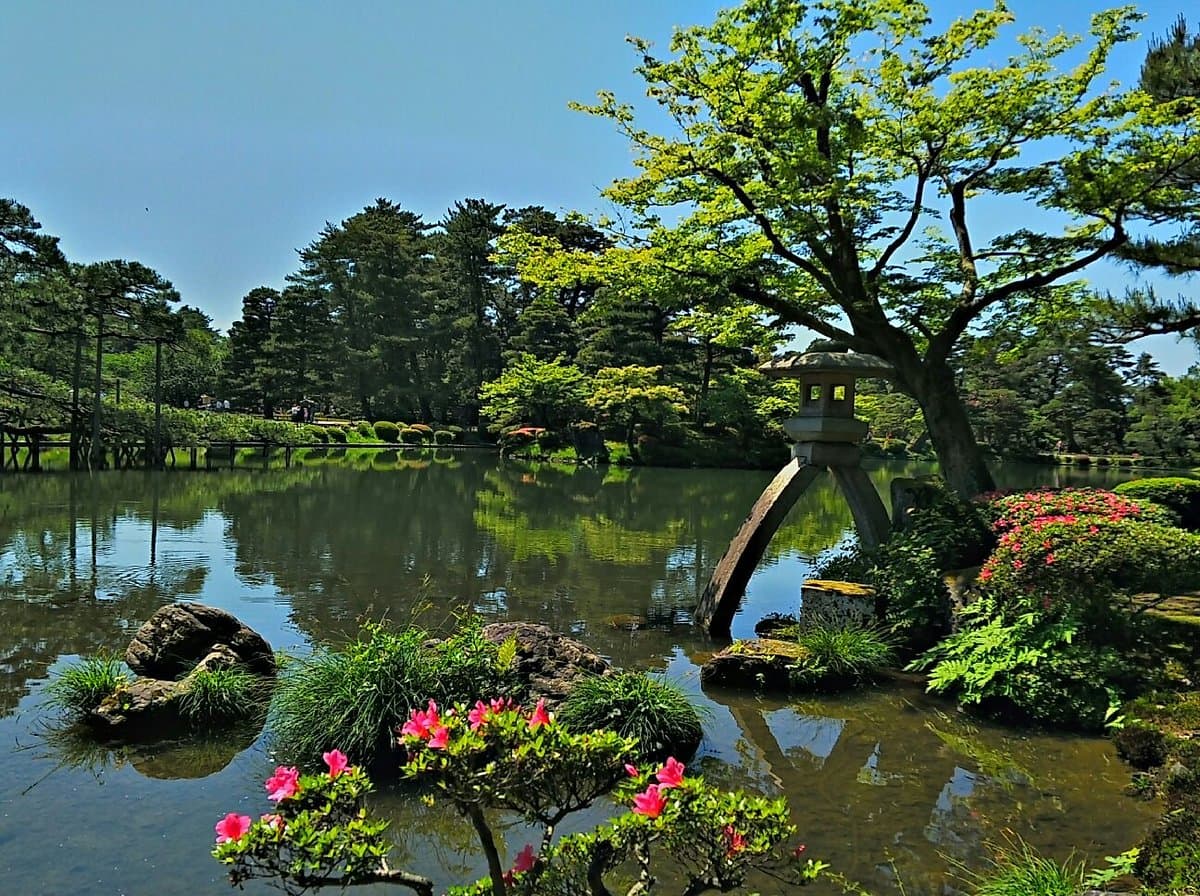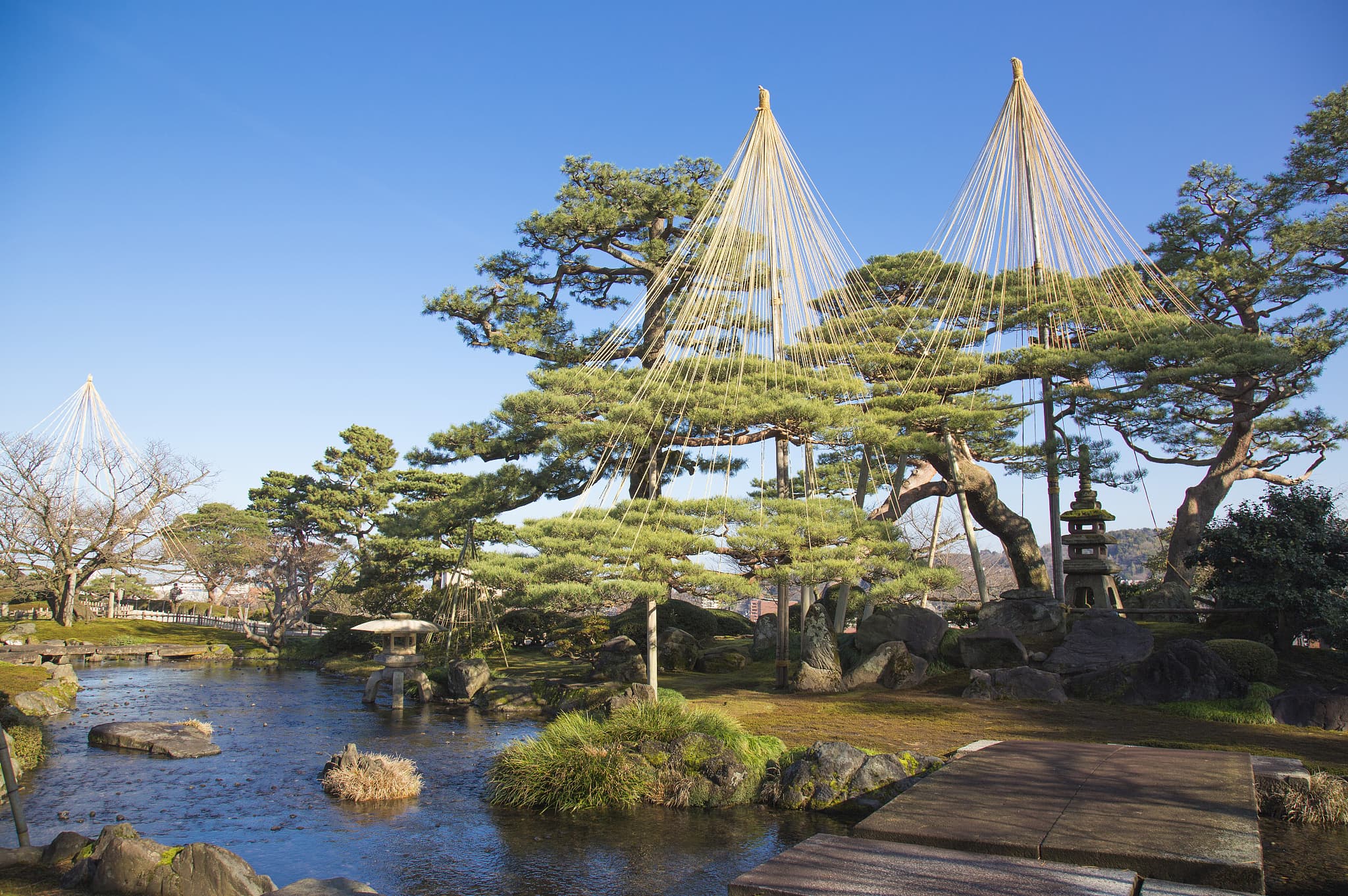
Kenroku-en, meaning 'Garden of the Six Sublimities,' is one of Japan's most celebrated landscape gardens, alongside Kairaku-en in Mito and Koraku-en in Okayama. Originally the outer garden of Kanazawa Castle, it was developed by the Maeda clan over nearly two centuries during the Edo period. Its name reflects the six classical attributes of a perfect garden: spaciousness, seclusion, artificiality, antiquity, abundant water, and broad views. This historical significance and meticulous design make it a prime example of traditional Japanese garden artistry.
Visitors frequently commend the garden's exceptional beauty and the serene, relaxing atmosphere it provides. Many reviewers highlight the 'attention to detail' in its design and maintenance, noting that it feels like 'a new scene at every step.' The garden's ability to transform with the seasons is a recurring theme, with many expressing a desire to return in different months to experience its varied charm. While some find it comparable to Chinese or other Japanese gardens, the overall sentiment is overwhelmingly positive, with many considering it the highlight of their Kanazawa visit.
To fully appreciate Kenroku-en, plan for 1.5 to 3 hours, allowing for a leisurely pace. While some visitors rush through in 30 minutes, a slower exploration reveals its intricate details. The garden is beautiful year-round, but many reviewers suggest that autumn (for vibrant maple leaves) and winter (for snow-covered landscapes and yukitsuri, or snow ropes) offer particularly stunning views. Early mornings are often recommended for a quieter experience, with some noting that entry is free before 7 AM and at night during special illuminations. Consider visiting the teahouses within the garden for a traditional experience, and don't miss the opportunity to try gold leaf ice cream available nearby.
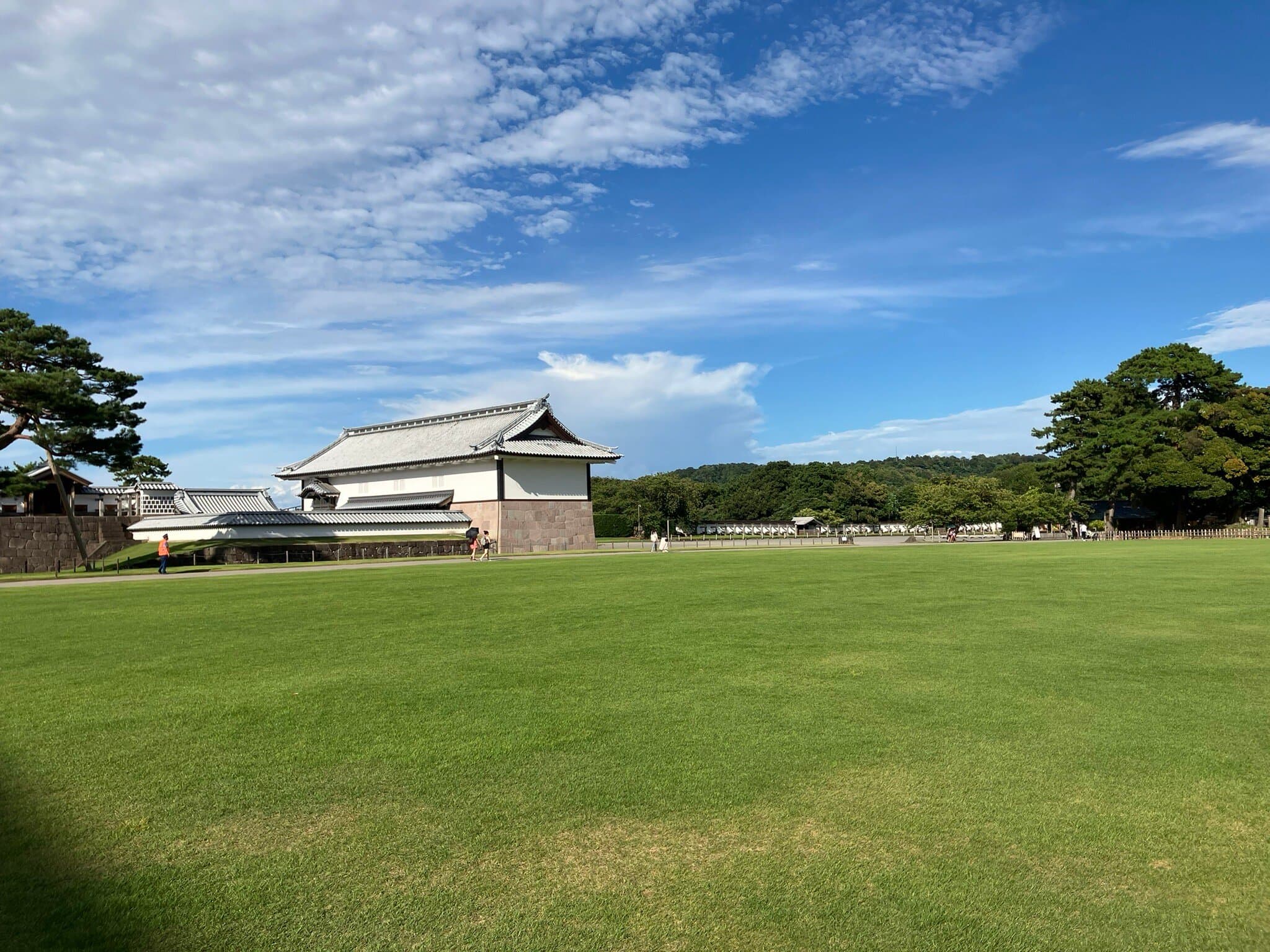
Kenroku-en is conveniently located in the heart of Kanazawa, directly across the road from Kanazawa Castle Park, allowing for a combined visit. From JR Kanazawa Station, numerous buses serve the garden, with the 'Kenrokuen Garden Katsurasakaguchi' stop being a common access point. The bus ride takes approximately 20 minutes. For those staying closer, it's about a 30-minute walk from Kanazawa Station. The garden has multiple entrances (seven in total), which helps manage visitor flow even on busy days.
While most visitors have positive experiences, a few note that the garden's beauty might be less striking outside of peak seasons like autumn or winter, or if one is not accustomed to Japanese garden aesthetics. To mitigate this, consider researching seasonal highlights before your visit or focusing on the intricate details and historical context rather than expecting dramatic, expansive vistas. Despite its popularity, reviewers generally find the garden to be well-maintained and not overly crowded, especially if visiting during off-peak hours.