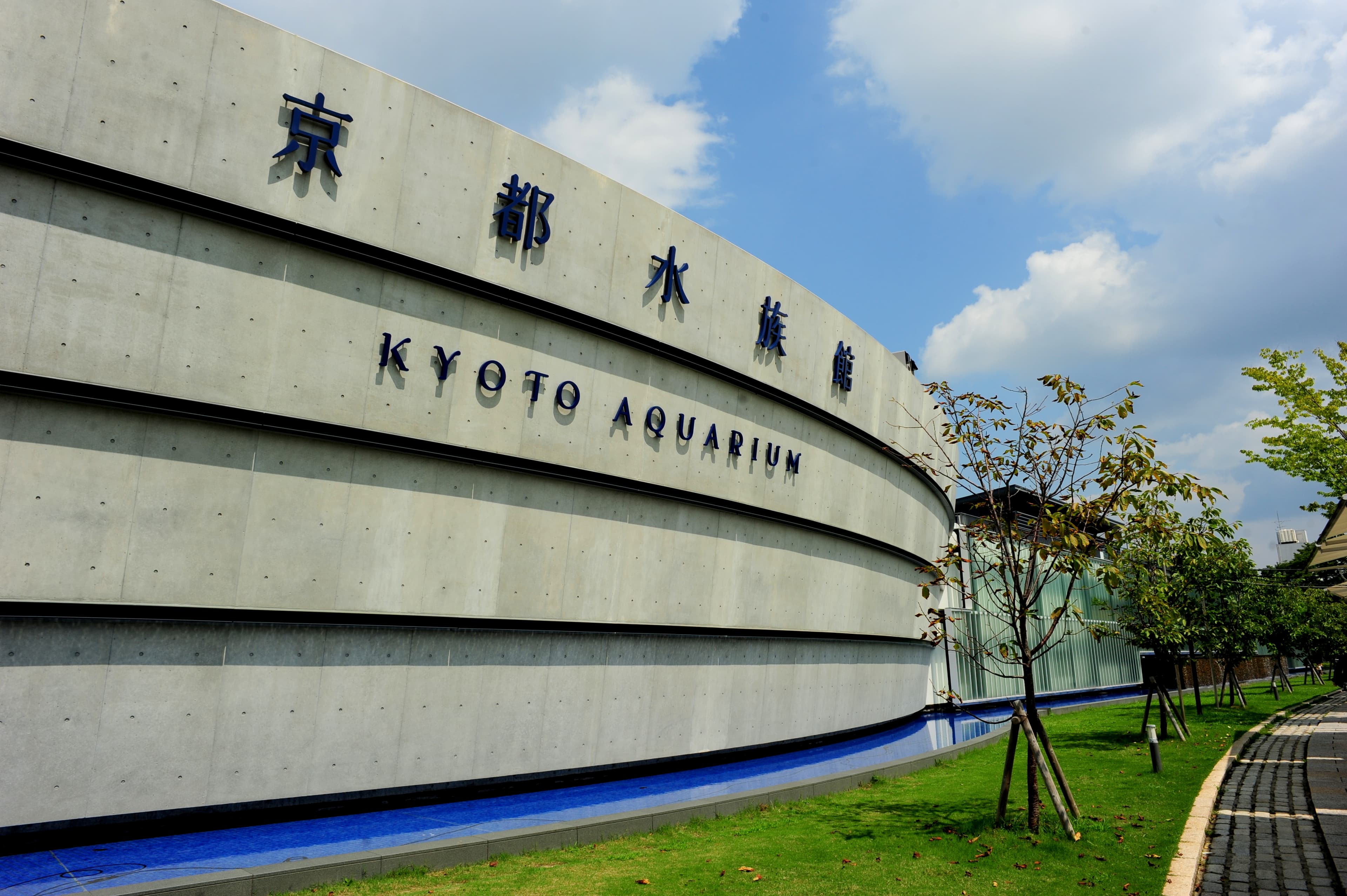
The Kyoto Aquarium, the first inland aquarium in Japan, recreates the interconnected ecosystem from mountain springs to the ocean. It showcases diverse aquatic life, with a particular focus on species native to Kyoto's waters, such as the impressive giant salamanders. Beyond static displays, the aquarium emphasizes educational engagement through hands-on activities and caretaker-led sessions, aiming to connect children with water and its inhabitants.
Visitors consistently highlight the dolphin and penguin shows as major draws, often describing them as 'amazing' and 'relaxing.' Many reviewers with children found the aquarium to be an excellent family-friendly destination, noting the kids' enjoyment of the seals, penguins, and various fish. The creative and beautiful interior design is frequently praised, as is the opportunity to see a wide variety of marine life. Some visitors, however, found the aquarium to be smaller than expected or less impressive compared to larger counterparts like the Osaka Aquarium or Sumida Aquarium, though still worth a visit if in Kyoto.
For a comfortable visit, plan to spend 1.5 to 3 hours. Many suggest arriving early, especially on weekends, to avoid crowds, as it can get very busy. If you're traveling with children, consider bringing your own snacks or food, as some reviewers found the on-site food options to be limited or 'terrible.' Purchasing tickets online in advance, for example through platforms like Trip.com, is recommended as it can be more affordable and convenient than buying at the door, allowing for real-time issuance and easy exchange for paper tickets.
The Kyoto Aquarium is conveniently located within Umekoji Park. It is about a 20-minute walk from Kyoto Station. Alternatively, visitors can take a bus to the Umekoji-koen stop. For those arriving by train, the nearest station is Umekoji-Kyotonishi Station on the JR Sagano Line (Sanin Line), which is directly adjacent to Umekoji Park, making access very straightforward. This station is just one stop from Kyoto Station. If you are driving, parking is available, though it can be busy on peak days.
A common complaint among some visitors relates to the perceived small size of some animal enclosures, particularly for sea lions and penguins, raising concerns about animal welfare. While the aquarium aims for educational value, those sensitive to animal space might find this aspect disappointing. To mitigate this, focus on the larger exhibits and the outdoor dolphin show area, which offers more expansive viewing. Additionally, while some signage has English, many detailed explanations are primarily in Japanese; using a translation app can enhance the experience.