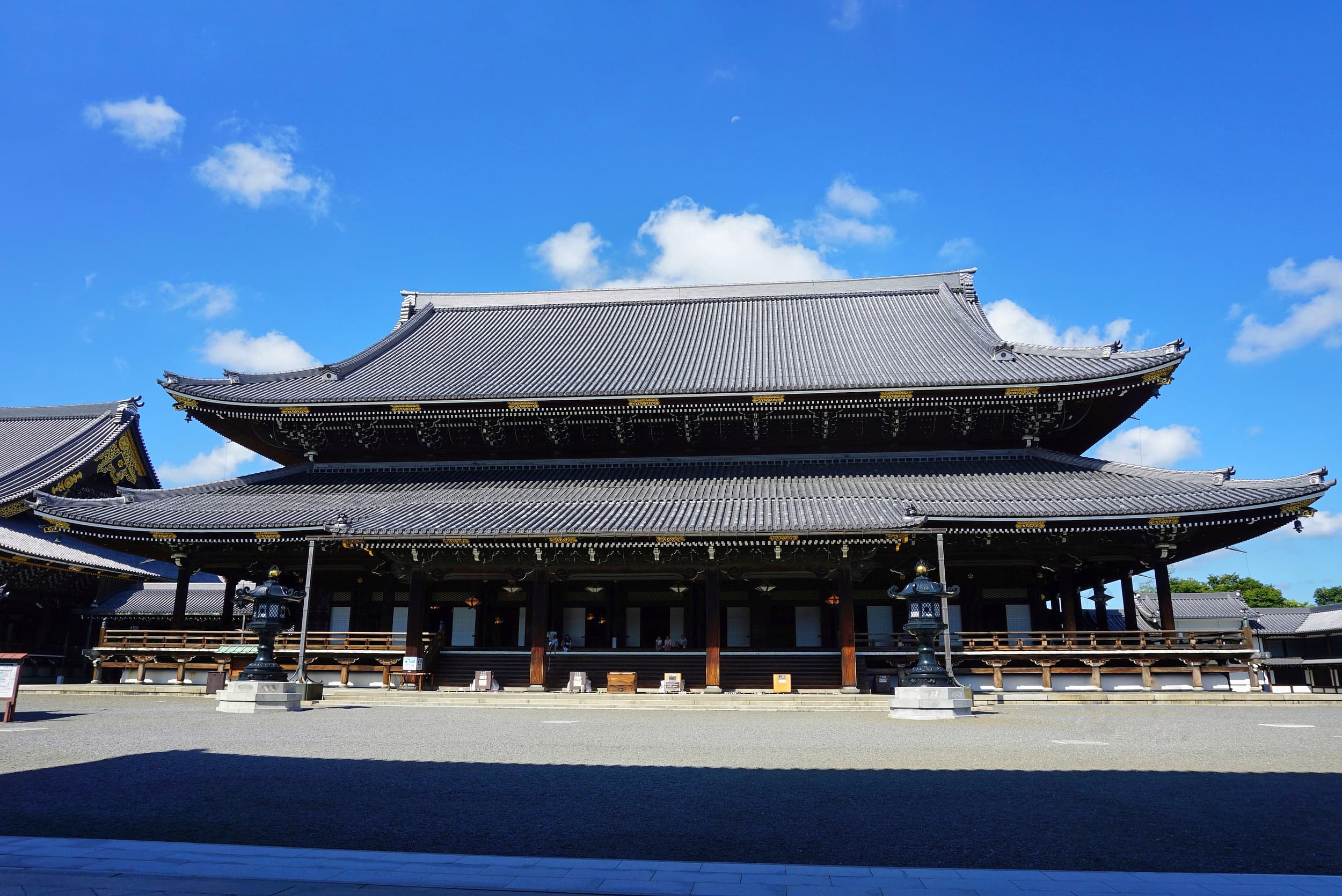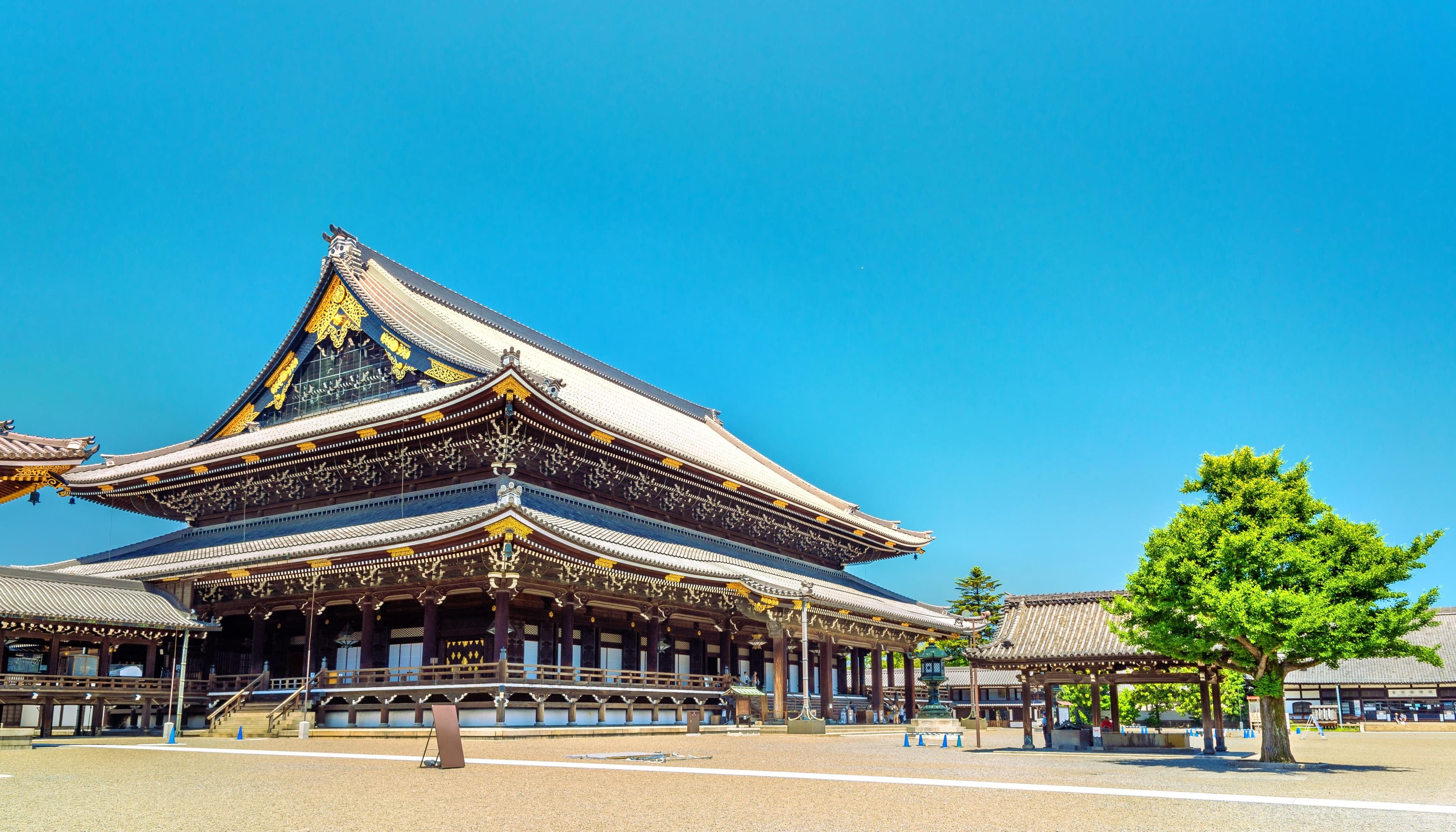
Nishi Hongan-ji Temple is the head temple of the Jodo Shinshu Hongan-ji school of Buddhism and a designated UNESCO World Heritage site. It stands as one of Japan's largest wooden building complexes, showcasing magnificent architecture from the Momoyama period (16th-18th centuries). Its historical significance lies in its role as a major Buddhist center and its connection to the division of the Hongan-ji sect.
Visitors frequently highlight the temple's grand scale and serene ambiance, often noting the absence of large crowds compared to other Kyoto attractions. The intricate carvings of the Karamon Gate, the vastness of the main halls (Amida Hall and Miei Hall), and the impressive 400-year-old ginkgo tree are consistently praised. Many appreciate the opportunity to sit quietly inside the halls, observing monks chanting or simply enjoying the peaceful atmosphere. The temple's accessibility, including wheelchair-friendly paths in many areas, is also a recurring positive point.
To make the most of your visit, allocate 1-2 hours to explore the grounds and main halls. Reviewers suggest visiting in late autumn (November-early December) to witness the ginkgo tree in its full golden splendor, though even when the leaves have fallen, its sheer size is impressive. Early mornings are recommended for an even more tranquil experience. Remember to remove your shoes before entering the main halls; reviewers advise keeping track of where you leave them. While some areas, like the Hiunkaku, are not regularly open to the public, the main temple complex offers plenty to see. Consider joining one of the free guided tours led by monks, which some visitors found highly informative for understanding the temple's history and significance.
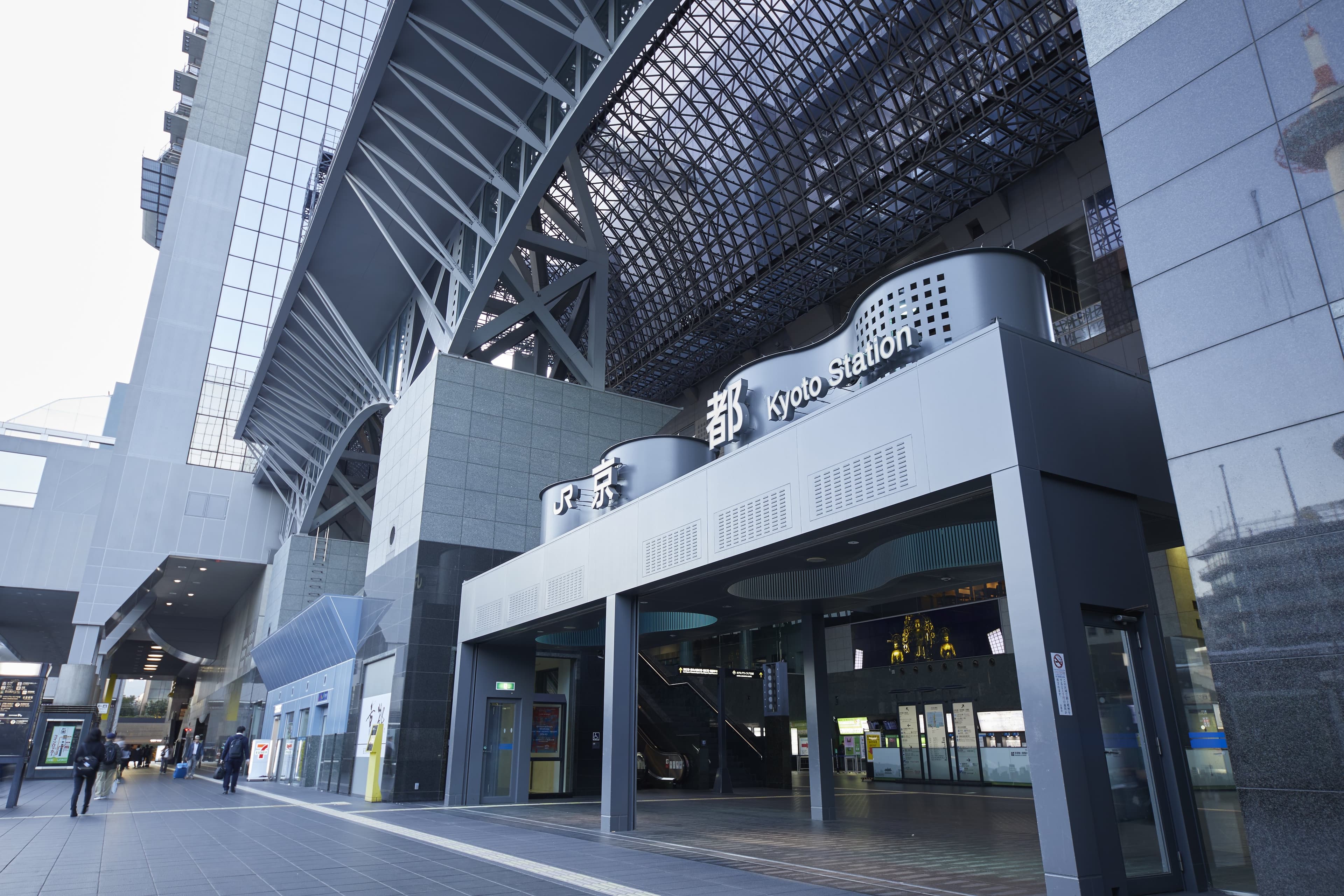
Nishi Hongan-ji Temple is conveniently located within walking distance (approximately 10-15 minutes) from Kyoto Station, making it easily accessible for most visitors. Several city bus lines also stop nearby. For those driving, parking information is not prominently mentioned in reviews, suggesting public transport or walking is the preferred method. Its proximity to Higashi Hongan-ji Temple means you can visit both relatively easily, though Nishi Hongan-ji is often described as the quieter of the two.
A common observation is that some parts of the temple might be undergoing renovation, which can occasionally obscure views or limit access. While this is a temporary inconvenience, the overall grandeur and peacefulness of the site usually outweigh such minor issues. Some visitors also note a lack of extensive English signage, but free leaflets and guided tours can help bridge this gap. The large, open gravel courtyards, while impressive, can feel a bit stark to some, especially if visited outside of peak ginkgo season.