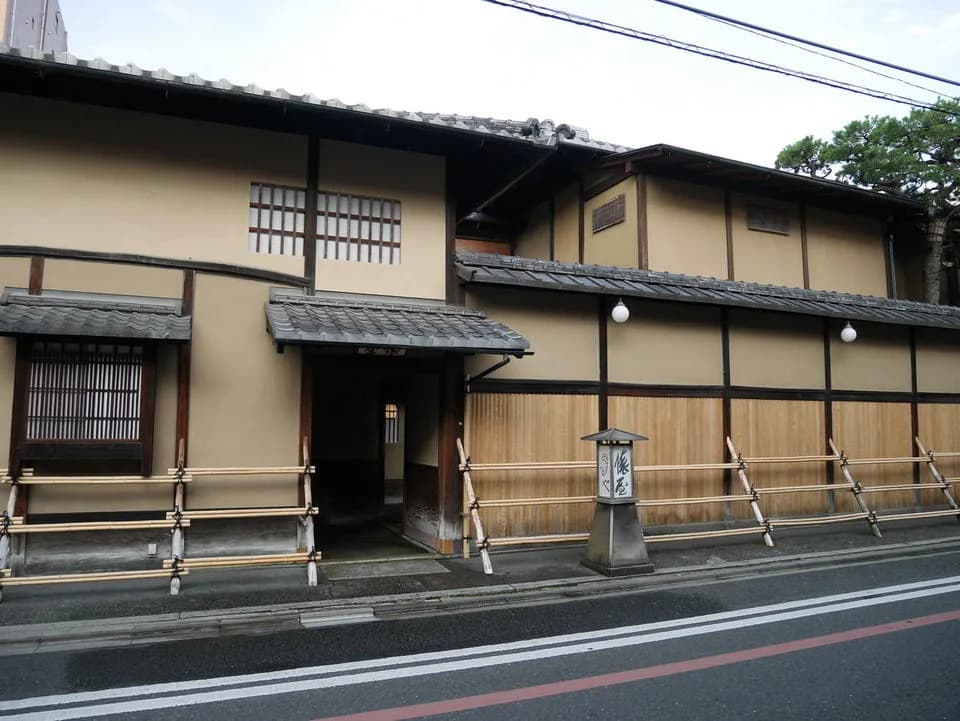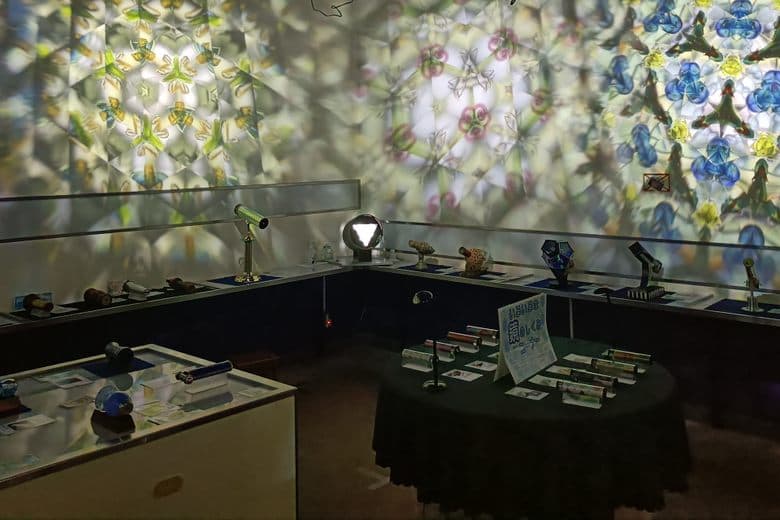
The Kyotomangekyo Museum in Kyoto is a specialized institution dedicated to the art and science of kaleidoscopes. It challenges the common perception of kaleidoscopes as mere children's toys by presenting an extensive collection of over 400 pieces, crafted by both Japanese and international artists. The museum highlights the intricate beauty and diverse mechanisms behind these optical instruments, showcasing how they create an infinite array of patterns through various materials like oil, beads, sand, and even scarves.
Visitors consistently praise the museum for its unique and calming atmosphere, often describing it as a hidden gem. The hourly projection event, where bright lights are shone through select kaleidoscopes to fill the walls with mesmerizing patterns, is frequently highlighted as a must-see. Many reviewers appreciate the opportunity to engage with the exhibits, particularly the hands-on workshops where they can craft their own kaleidoscopes, making it an interactive experience rather than just a passive viewing.
For a fulfilling visit, allocate approximately 1 to 1.5 hours, especially if you plan to participate in a workshop. The museum is generally quiet, offering a peaceful escape from the bustling city. It's advisable to check their official website for the most current opening hours and workshop schedules, as these can vary. Bringing a camera is recommended to capture the intricate patterns, though flash photography might be restricted during the projection event.
The museum is located in Kyoto. While specific public transport details were not consistently mentioned in reviews, Kyoto has an excellent public transportation network. Visitors can typically reach the museum via local bus lines or by walking from the nearest subway or train station. It is always wise to consult a local map application for the most efficient route from your starting point. Parking options for private vehicles might be limited in the immediate vicinity, so public transport is generally recommended.
A common observation from visitors is that the museum is relatively small and might not appeal to everyone, particularly those not specifically interested in the subject matter. To mitigate potential disappointment, visitors should go with an open mind, understanding that it is a niche museum focused on a single art form. Those expecting a large, sprawling museum with diverse exhibits might find it less engaging.