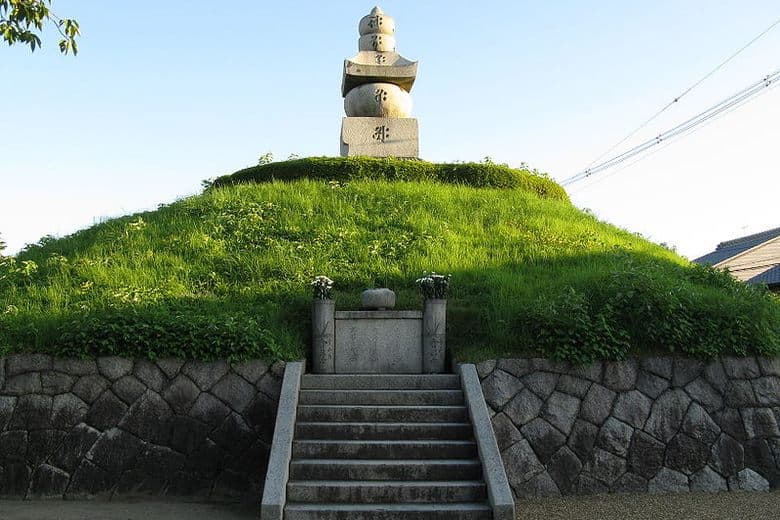
Mimizuka, literally meaning "Mound of Ears," is a unique and somber historical monument in Kyoto. It serves as a burial mound for the noses and ears of tens of thousands of Korean soldiers and civilians, collected as war trophies during Toyotomi Hideyoshi's invasions of Korea in the late 16th century. This site stands as a powerful and often overlooked testament to the brutality of war and the complex, often painful, historical relationship between Japan and Korea.
Visitors consistently describe Mimizuka as a quiet and reflective place, often noting its stark contrast to the more vibrant and popular tourist attractions in Kyoto. Many find the experience deeply moving, prompting contemplation on historical atrocities and the human cost of conflict. While some reviewers appreciate its historical significance and the opportunity for quiet introspection, others, particularly Korean tourists, express a sense of sorrow and anger, highlighting the ongoing emotional impact of this historical event. The site is generally well-maintained, offering a respectful environment for remembrance.
To make the most of your visit, allocate about 30 minutes to an hour for quiet contemplation. There isn't much to 'do' at Mimizuka beyond reading the informational plaques and reflecting, so a longer stay isn't typically necessary. It's best visited during daylight hours for visibility and a more serene atmosphere. There are no specific items to bring, but a respectful demeanor is encouraged. As it's a site of remembrance, loud conversations or disruptive behavior should be avoided.
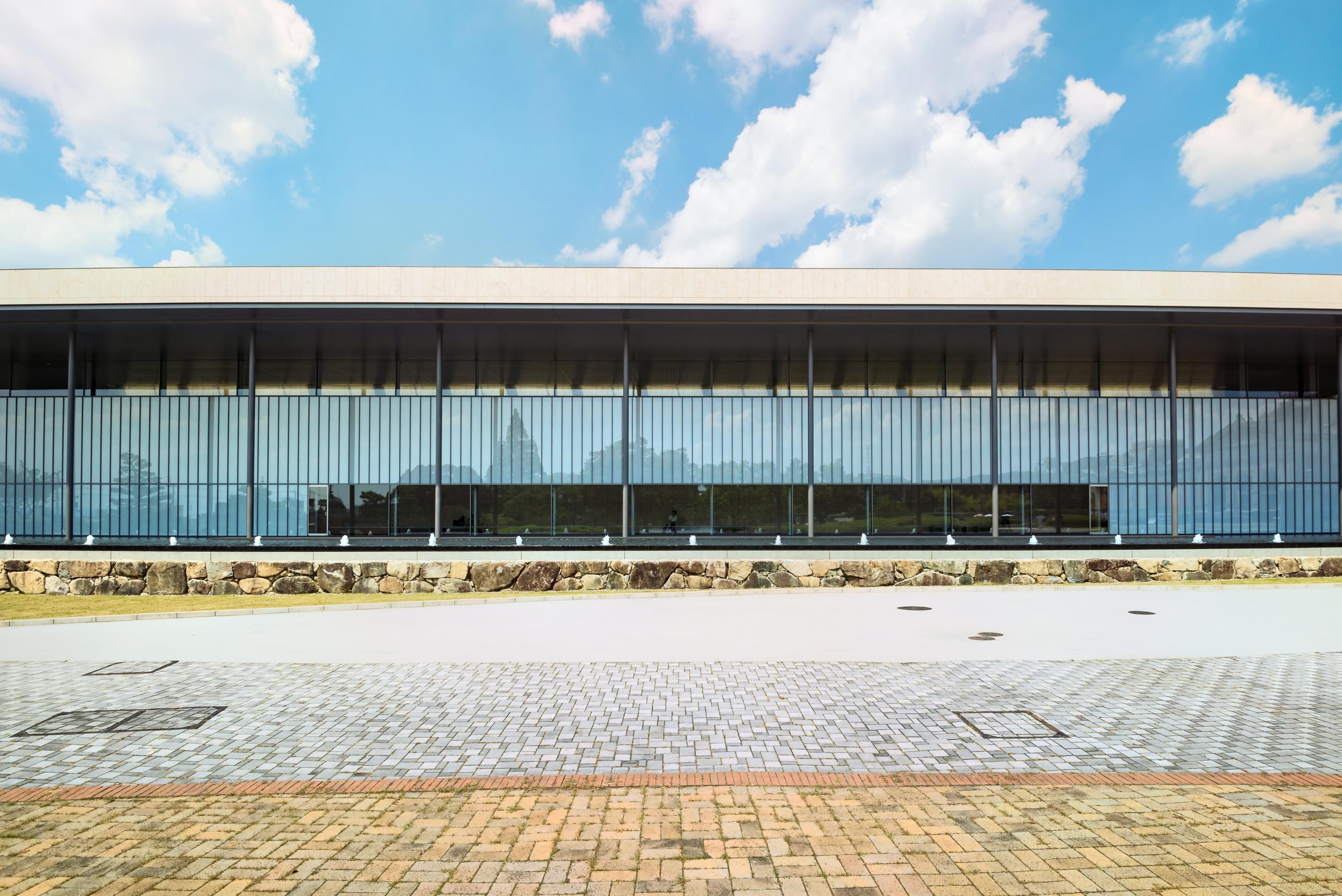
Mimizuka is conveniently located in central Kyoto, just to the west of Toyokuni Shrine, which honors Toyotomi Hideyoshi. It is also near the Kyoto National Museum. The nearest public transport options include the Shichijo Station on the Keihan Main Line, which is about a 10-15 minute walk away. Alternatively, several city bus routes stop near the Kyoto National Museum or Hokoku Shrine, from where Mimizuka is a short walk. Given its central location, it's easily accessible by walking if you are exploring the surrounding area.
A common complaint, or rather an observation, is that Mimizuka is often overlooked by non-Korean tourists and even Kyoto residents. This can lead to a lack of awareness about its profound historical significance. To mitigate this, visitors are encouraged to read up on the history of Hideyoshi's invasions of Korea before their visit to fully appreciate the context and gravity of the site. While it may not offer the aesthetic beauty of other Kyoto attractions, its historical weight makes it a valuable, albeit sobering, experience.