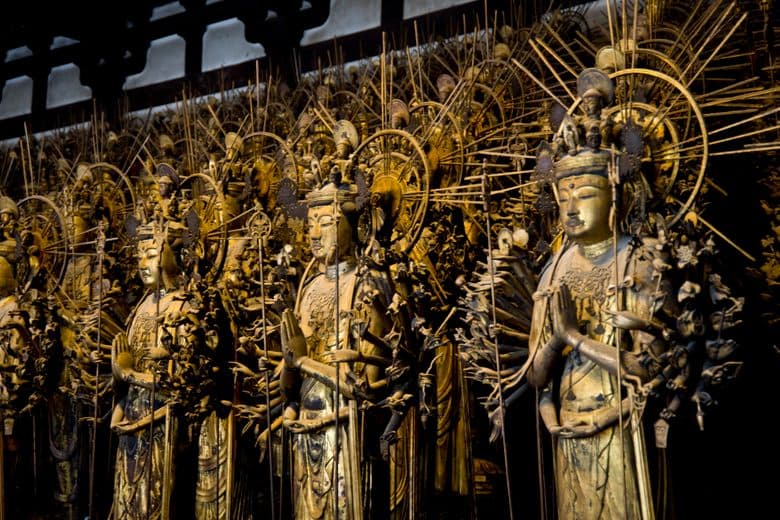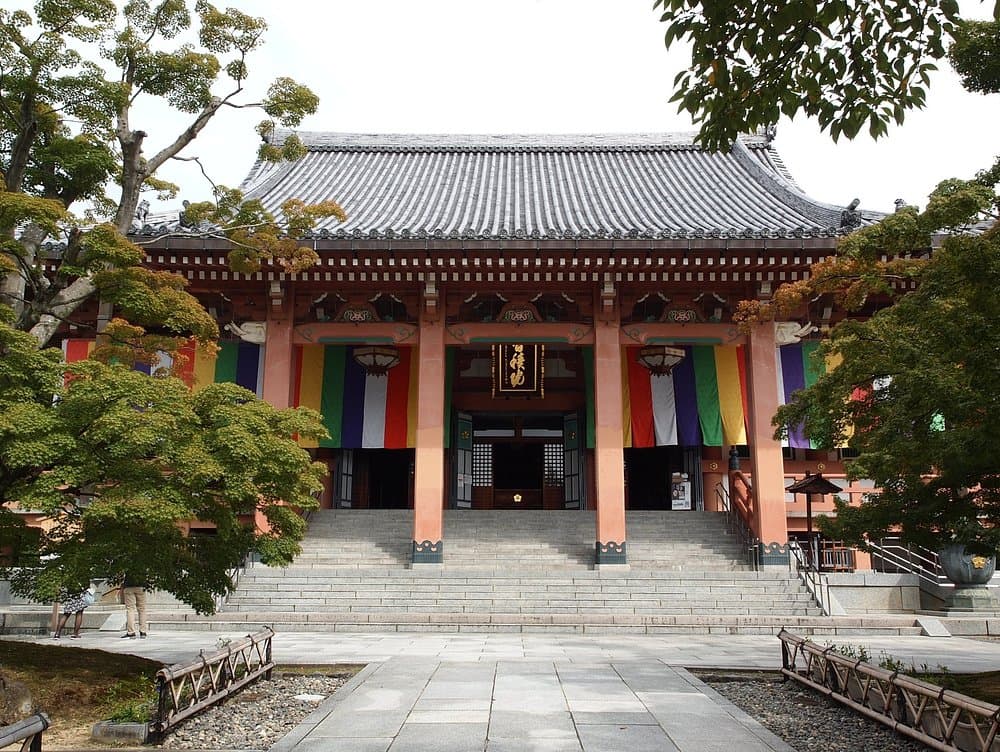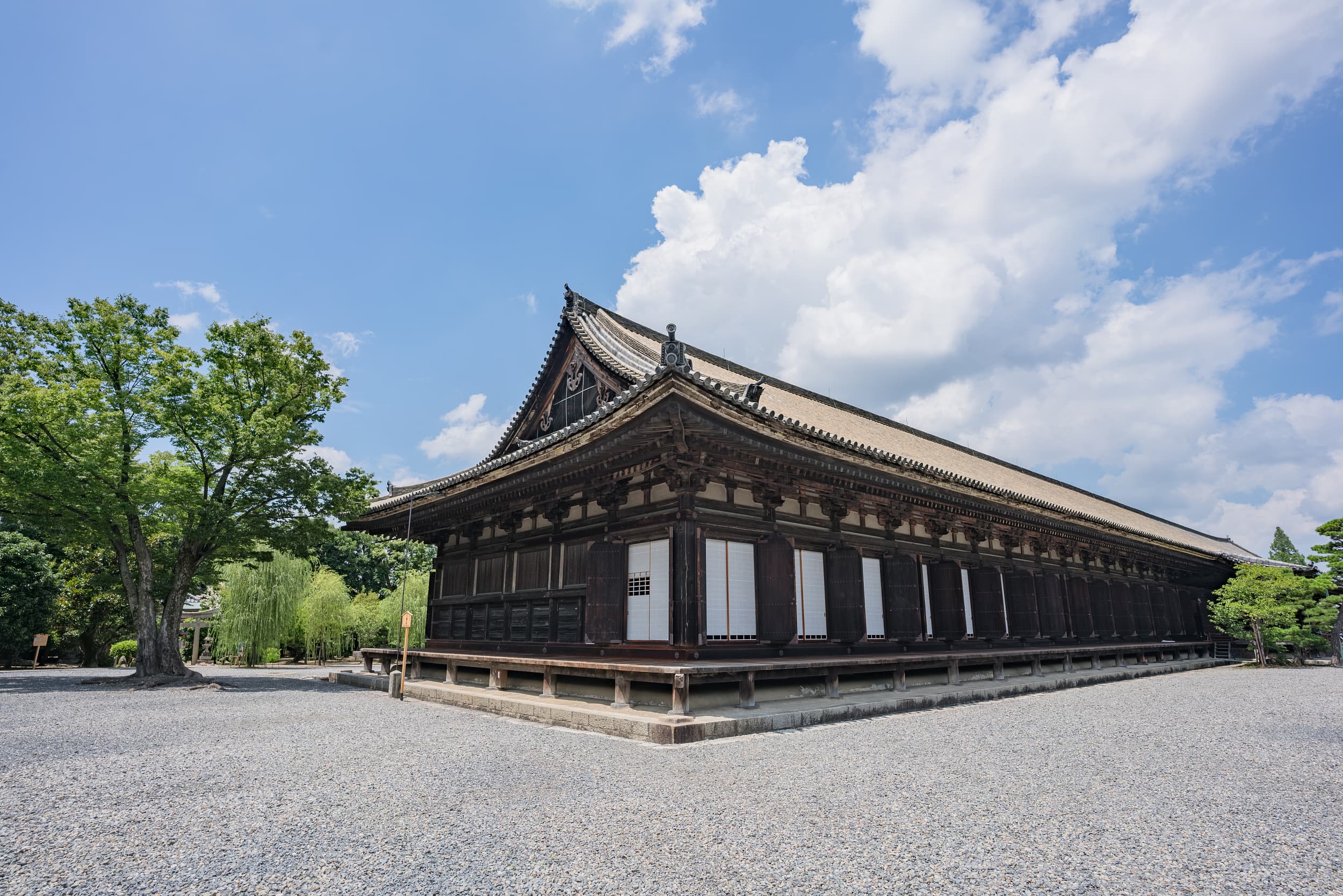
Sanjūsangendō Temple, officially known as Rengeō-in, stands as a significant historical and artistic landmark in Kyoto. Its primary claim to fame is its exceptionally long main hall, the longest wooden structure in Japan, which houses an astonishing collection of 1,001 gilded statues of the Thousand-Armed Kannon (Goddess of Mercy). This unparalleled display of Buddhist sculpture, dating back to the 12th and 13th centuries, makes it a must-visit for anyone seeking a profound cultural experience.
Visitors are consistently awestruck by the sheer number and intricate detail of the Kannon statues, often describing the sight as "breathtaking," "mind-blowing," and "overwhelmingly impressive." Many note that despite the large quantity, each statue possesses subtle differences in expression and detail, making individual observation rewarding. The central, colossal Kannon statue, flanked by rows of smaller ones and guardian deities like the Wind God and Thunder God, creates a powerful and serene atmosphere. Reviewers frequently mention the profound sense of calm and spiritual energy within the hall, contrasting it with the often crowded nature of other Kyoto attractions. The prohibition of photography inside is often cited as a positive, encouraging visitors to truly immerse themselves in the moment and retain the visual impact in their memory.
To make the most of your visit, plan to spend at least 1 to 2 hours exploring the main hall and the surrounding grounds. Many visitors recommend going early in the morning, right after opening, to avoid crowds and experience the tranquil atmosphere more fully. Be prepared to remove your shoes before entering the main hall; comfortable, easily removable footwear is advisable. While the interior can get warm, especially in summer, the shade and the unique experience often outweigh any discomfort. English signage is available and highly praised for its informative content, providing valuable context for the statues and the temple's history. Don't rush through; take your time to observe the details of each statue and read the explanations.
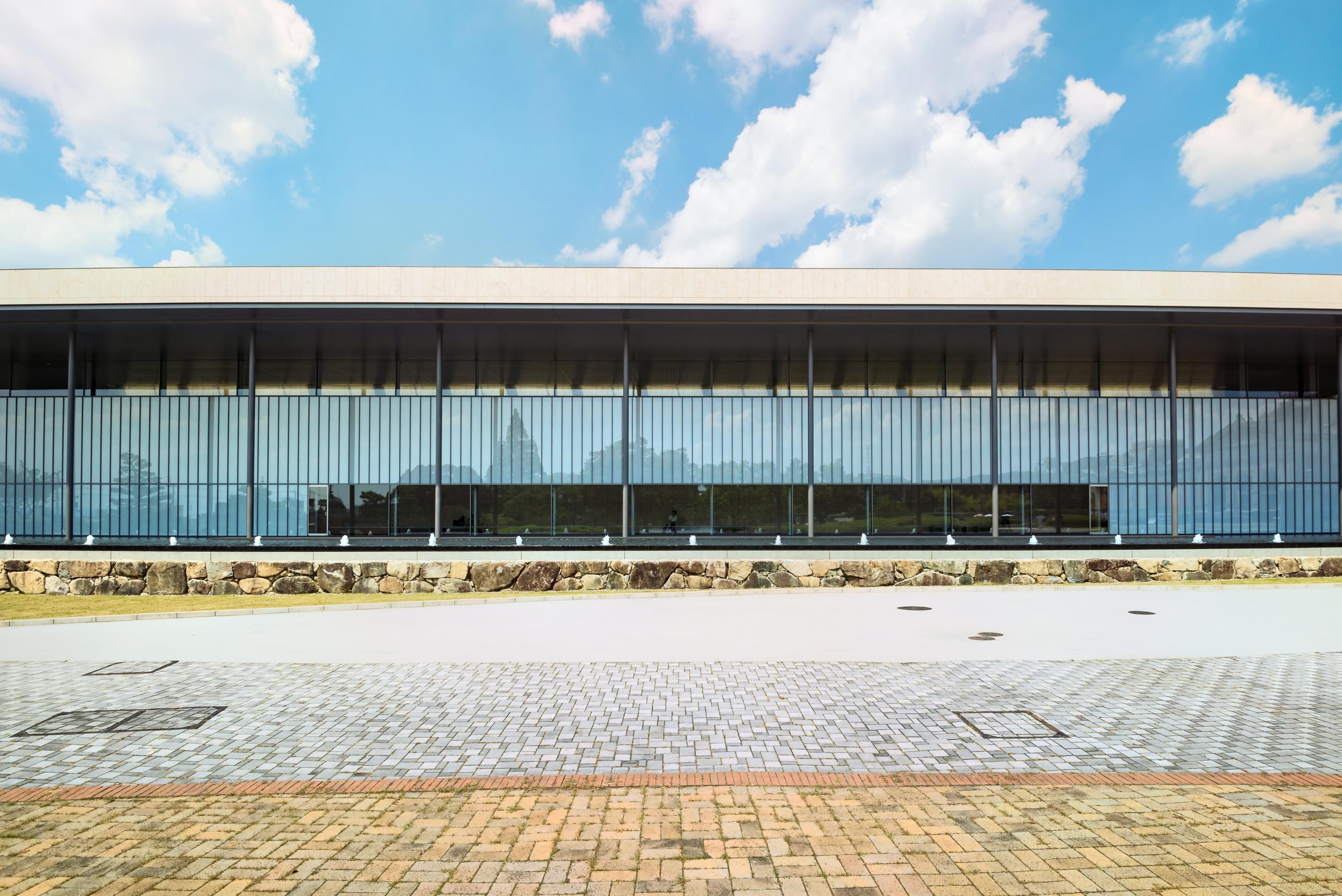
Sanjūsangendō Temple is easily accessible by public transport. From Kyoto Station, you can take city bus lines 100 or 206 and alight at the "Hakubutsukan-Sanjusangendo-mae" (Museum & Sanjusangendo Temple) stop. The temple is just a short walk from there. Alternatively, it's about a 15-20 minute walk from Shichijo Station (Keihan Line). For those combining it with other sights, the Kyoto National Museum is conveniently located directly across the street, and Kiyomizu-dera Temple is also within reasonable proximity, making it easy to integrate into a walking tour.
The most common complaint is the strict no-photography policy inside the main hall. While this can be disappointing for some, visitors generally understand and appreciate that it contributes to the sacred and contemplative atmosphere. To mitigate this, consider purchasing a photo book or postcards from the temple shop if you wish to have visual mementos. Some visitors also mention that the exterior of the temple is less visually striking than the interior, so manage expectations and focus on the profound experience awaiting you inside.